





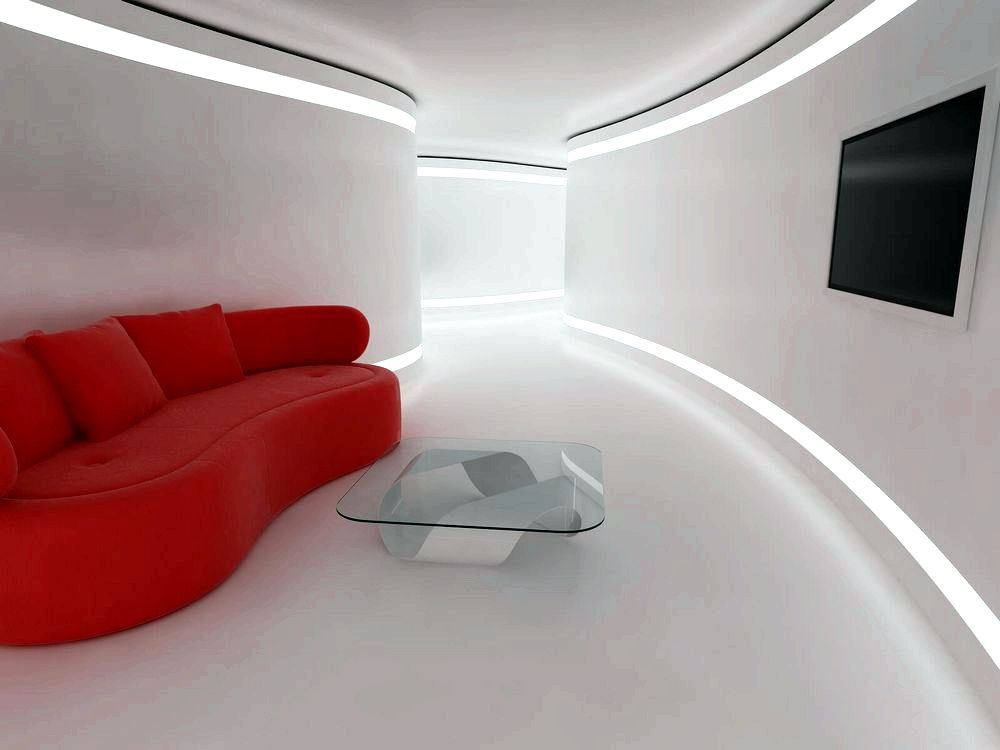
1. The Impact of Virtual Reality on Spatial Design
Virtual reality is a technology that changes the way we see and interact with the space around us. Using virtual reality allows us to create new and fascinating experiences in the physical and virtual world. It also influences spatial design, as it plays a crucial role in creating experiences through this technology.
With virtual reality, it is possible to create simulated spaces that can alter our perception of reality. Spatial design with such technologies enables us to change how we see and feel the environment around us, creating new and fascinating experiences.
Furthermore, using virtual reality allows designers to create models and plans before their physical construction. This enables them to examine and improve the design, and understand how the space will look and behave in reality once the project is implemented.
New technologies can transform the physical space into a world of virtual experiences
Mia Gold – Technological Projects Manager
In conclusion, virtual reality significantly impacts spatial design and the way we experience and interact with it. The use of such technologies enables us to create new and fascinating experiences and change the way we perceive our surroundings.
Smart Technologies for Smart Homes Construction
Smart technology is seamlessly integrated into the construction and design of smart homes. Advanced technologies such as the Internet of Things (IoT), renewable energy, and smart home systems help in creating a comfortable, secure, and efficient environment for home residents.
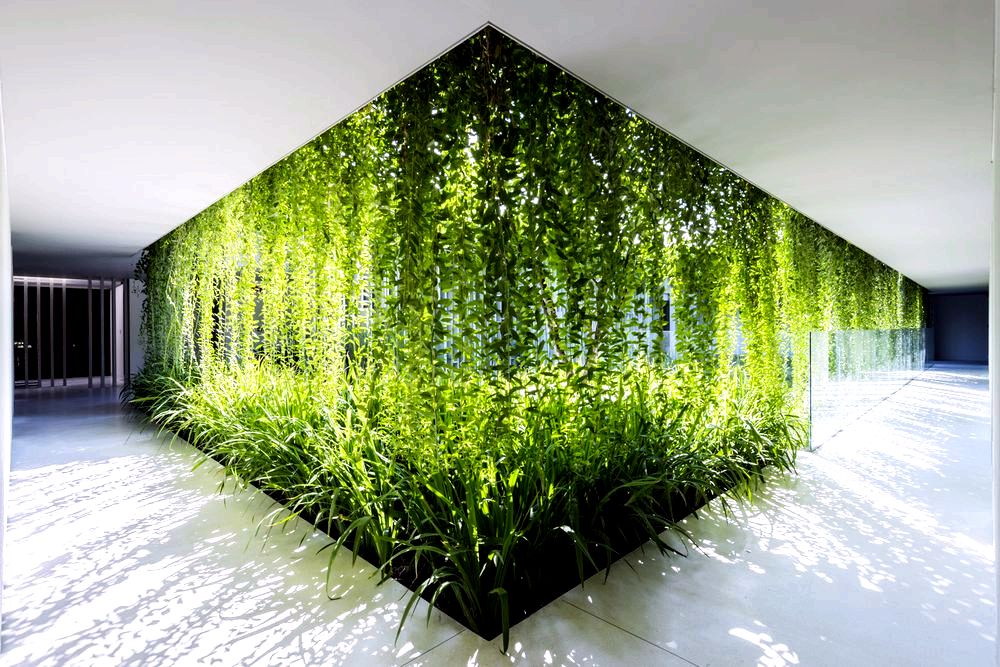
With smart technologies, it is possible to control lights, detection systems, alarm systems, and even irrigation and heating systems automatically and intelligently. This helps save energy, improve quality of life, and reduce the impact on the environment.
Additionally, smart technologies allow homeowners to control home systems remotely, through mobile applications or even voice commands of the users. This makes it easier for them to manage their homes even when they are away or traveling, helping reduce risks and improve their quality of life.
Ultimately, the integration of smart technologies in smart homes allows residents to enjoy comfortable, tailored living spaces maintained and efficiently operated.
Urban Planning and Innovative Technologies
Innovative technologies are changing the face of urban planning worldwide. They enable the implementation of innovative and advanced ideas that enhance the quality of life for urban residents and contribute to the development of healthy and sustainable urban environments.
One of the innovative technologies influencing urban planning is the use of Geographic Information Systems (GIS). These systems allow planners to analyze geographic data and create three-dimensional maps that enable precise and efficient urban planning.
The virtual space allows us to experience experiences that cannot occur in the physical space
Yoav Shalom – Programmer and Interface Designer

Smart technologies, such as the Internet of Things (IoT) and smart communication systems, assist in managing transportation in cities intelligently and efficiently. They enable drivers and transportation systems to communicate with each other and provide real-time information on road accidents, traffic flow, and more.
Future technologies in spatial planning also include the use of computational systems and three-dimensional models, allowing planners to create rich visual plans and presentations that assist in data-driven and informed decision-making.
With the advanced technologies available today, it is possible to create smart and sustainable cities that improve the quality of life for their residents and promote a green and healthy environment. The use of innovative technologies in urban planning shapes the future of urban planning and helps create unique and advanced cities.
The Human Figure in the Age of Technology
The revolutionary technology of our times deeply influences the human figure in the modern world. In the age of technology, humans are surrounded by a wide variety of technologies that alter their way of life and behavior. From their social and community figure, through their personal figure to their physical form, technology influences all aspects of human life.
In a world where technology is almost inseparable from our daily lives, the human figure evolves and develops. It improves, advances, and adapts to the new world around it. The human figure in the age of technology is an excellent figure that advances rapidly with the technology that surrounds it.
New technologies such as virtual reality, machine learning, robotics, and more, allow the human figure to be more creative, efficient, and advanced. It can use smart tools and systems that help improve its abilities and achieve new applications.
The human figure in the age of technology reflects the technological and human components within it and progresses with them. It confronts new challenges and adapts to the changing reality in which we live. The human figure in the age of technology is a fascinating, captivating, and rapidly developing figure in our modern world.
5. Digital Art in Spatial Design
Digital art is a field that operates at the intersection of technology and art, and it integrates amazingly into the field of spatial design. In the technology-driven world we live in today, digital art offers new and advanced tools that enable designers to create stunning and captivating works in the creation of physical spaces. Through the application of innovative technologies such as virtual and augmented reality, image and video processing, and three-dimensional design, digital artists can bring the spaces they design to new levels of depth and complexity.
In the modern world of spatial design, the advantages of digital art are evident. The use of cutting-edge technologies elevates spatial design to a new level of creativity and impressive design possibilities. Through the implementation of digital processing techniques and the use of advanced design software, designers can create spaces that seamlessly blend the physical and digital dimensions, allowing users to experience an advanced and inspiring spatial experience.
Digital art is a central force in the development of spatial design, offering a fresh and refreshing approach to creating unique and stunning spaces. With digital tools and techniques, designers can express their ideas and create interesting, stunning, and captivating works. Thus, digital art is an integral part of the future of spatial design, offering endless possibilities for creating magnificent and inspiring spaces.
6. How Users are Influenced by Technologies in Spatial Design
Innovative technologies such as augmented reality, location-based services, and virtual reality significantly impact spatial design and its users. The use of these technologies allows designers to create unique and fascinating experiences for users, influencing how they feel and operate in the same space.
With augmented reality technologies, users can experience multi-sensory experiences in the virtual space, using innovative methods such as advanced graphics, support for augmented reality concepts, and more. All of these affect the user experience and allow them to be part of new and fascinating worlds.
Users of spatial design technologies feel the changes positively, as they can be part of creating the space and directly influence their experience. This allows users to be more involved and satisfied with the space around them, creating unique and fascinating experiences.
7. The Challenges of Spatial Design in the Age of Technology
In the advanced technology age, spatial design faces new challenges that require a fresh and creative approach. As new technologies lead to changes in the way we move and live, it is essential to understand how to use technology to improve user experience and create spaces with added value.

One of the central challenges is creating a connection between the physical and digital. With the rapid development of technology, our lives are starting to be surrounded by smart and connected devices. It is important to create a combination of the physical and digital space to create an integrated and captivating user experience.
Technology enables us to design the physical and virtual space in a unique and stunning way
Maya Cohen – Graphic Designer
Another challenge is adapting technology to user needs. Spatial design must be sensitive to user needs and use technology to create solutions that best fit them.

Despite the challenges, spatial design in the age of technology offers many opportunities to create unique and captivating spaces. Designers need to be creative and use new technological tools to create experiences that users will not forget.