



1. Effective and Environmentally Friendly Heating and Cooling
Environmentally friendly heating and cooling technologies are an important part of modern interior design. In a world where energy conservation and reducing environmental waste are required, smart and environmentally friendly interior design is essential.
When planning heating and cooling in a building, it is important to focus on using innovative technologies such as efficient electric heating systems, high-energy concentration cooling systems, and using environmentally friendly materials.
Environmentally friendly heating and cooling can reduce energy consumption and minimize environmental waste. Electric heating systems use small amounts of electricity and provide efficient and quality heat. High-concentration cooling systems help maintain comfortable temperatures and air quality indoors.
In addition, using environmentally friendly materials such as organic and non-toxic products helps reduce the environmental impact and improve indoor air quality.
In summary, effective and environmentally friendly heating and cooling technologies are an important part of modern interior design and can improve quality of life and reduce the environmental impact of the building.
Using Natural and Recycled Materials in Interior Design
In the field of interior design, significant importance is placed on using natural and recycled materials. This approach has gained significant momentum in the modern era, where environmental and sustainability issues play a central role in the industry.
Using natural materials such as wood, ceramics, stone, and especially in the construction materials of furniture, ensures a unique and high-quality design experience. Natural materials provide warmth, character, and unique texture to the design, adding dimension and depth. Additionally, incorporating recycled materials promotes smart and environmentally friendly usage.
The combination of natural and recycled materials provides creative and ecological solutions for interior design, contributing to a green and healthy environment. During the design process, careful consideration and understanding of material choices are important to preserve environmental quality and conserve resources.
In conclusion, using natural and recycled materials in interior design allows for creating a unique, ecological, and environmentally friendly living space. It is recommended to consider these options in home design to achieve results that serve users and the environment efficiently and impressively.
3. Green and Energy-Efficient Lighting
New and advanced technologies enable us to create energy-efficient and environmentally friendly lighting in our interior design. The use of LED lighting, by using LED bulbs instead of fluorescent or halogen bulbs, significantly reduces electricity consumption. LED lighting also provides quality and aesthetic lighting in interior design.
Technology helps us to be fresh and environmentally conscious at any given moment
Avi Cohen – Technology Expert
Additionally, smart heating and climate systems can be used to adjust room lighting according to user needs and save energy. Smart windows can also be used to manage room lighting and electricity in a smarter and more efficient way.
Smart water and electricity consumption through advanced technologies can improve home life quality and preserve the environment
Shiri Cohen – Environmental Specialist
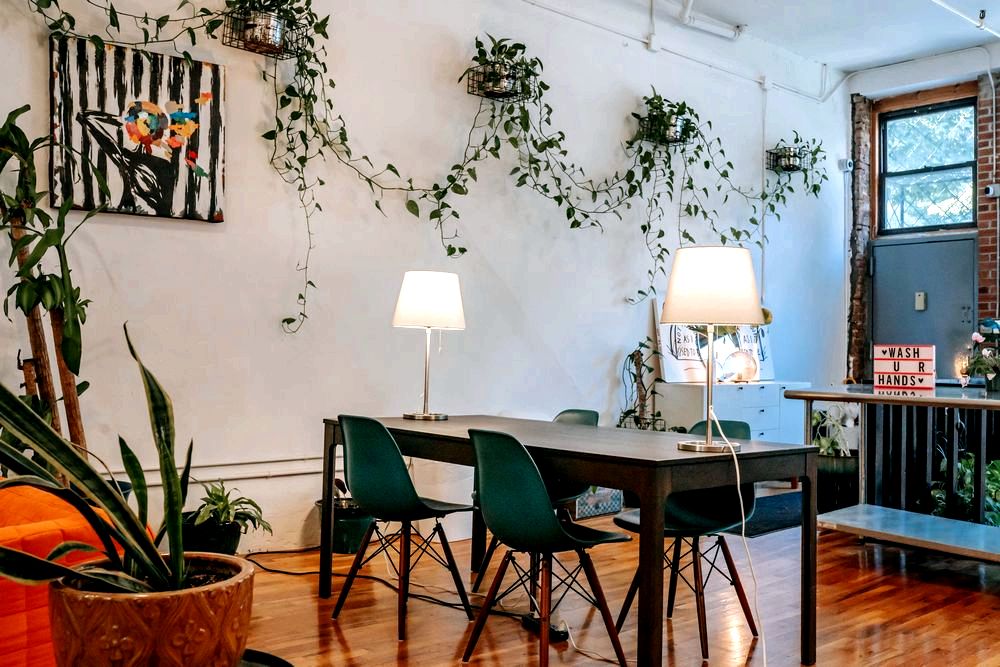
The use of these technologies not only allows for energy and cost savings but also helps maintain a green and healthy environment. Green and energy-efficient lighting is an important part of modern and ecological interior design.
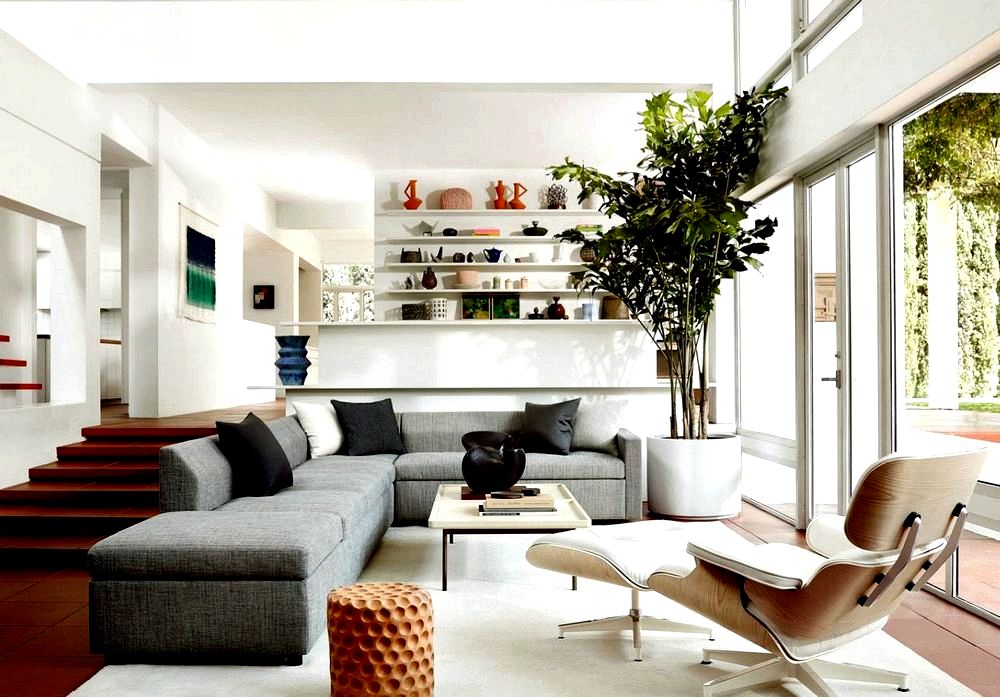
Smart and advanced tools can turn any home into a smart and environmentally friendly space.
Nir Cohen – Interior Designer

4. Using Smart Technologies for Managing Electrical and Water Systems
The use of smart technologies is considered one of the most advanced solutions for creating a smart and environmentally friendly home. These technologies allow us to manage electrical and water systems in the home smartly and efficiently, saving energy and water effectively.
One of the most popular smart technologies is the use of smart home systems, which allow us to control the electrical systems in the home remotely through a mobile application. With these systems, you can turn on and off lighting, control the air conditioning and music system, and entertain and simplify life at home.
In addition, smart technologies allow us to manage water systems in the home smartly. For example, smart systems can be installed that allow us to control water consumption in the home, identify leaks, prevent water loss, and reduce our impact on the environment by saving resources.
In summary, using smart technologies to manage electrical and water systems in the home is an important step towards creating a smart and environmentally friendly home. By investing in these technologies, we can create a home that requires fewer resources and helps preserve our living environment.
Implementation of Smart Technologies for Indoor Air Quality Control
Smart technologies can be an efficient tool in modern interior design, especially in the context of maintaining indoor air quality. Implementing these technologies can lead to a significant improvement in the quality of life for home residents and create a more environmentally friendly environment.
One of the smart technologies that can be implemented is an indoor air quality monitoring and control system. The system may contain sensors that identify different levels of air pollution and transfer the data to a smart management system. Based on the collected data, the system may activate devices such as filters or natural scent diffusers to improve indoor air quality.
Additionally, smart technologies can also be implemented in home heating and cooling systems. Smart heating and cooling systems equipped with sensors can identify the heat level in the space and automatically adjust their operation to save energy and maintain comfort conditions indoors.
In fact, the combination of interior design and smart technologies can lead to a tangible improvement in the quality of life for home residents and create a pleasant and healthy environment. Implementing smart technologies in interior design is an important step towards creating a modern and environmentally friendly home.
6. Smart Design to Reduce Energy and Water Consumption in the Home
Innovative technologies allow us to enjoy smart interior design that helps us save energy and water in the home. Smart control systems enable us to manage a smart home efficiently and strategically. When using smart control systems, we can remotely turn on and off lighting and air conditioning, control irrigation systems, and manage young air systems in the home.
The integration of smart design with ecological technologies can lead to significant savings in energy and water usage in the home. For example, smart lighting systems can detect our presence in a room and automatically turn the lighting on or off as needed, reducing electricity consumption. Also, smart water systems can manage water consumption in the home intelligently and efficiently, reducing our impact on the environment.
Additionally, smart design allows us to adorn the home in an ecological and environmentally friendly manner. Natural and environmentally friendly materials such as recycled wood, organic cotton, and recycled metals can be integrated into home design to reduce the environmental impact of buildings and furniture.
In conclusion, smart design combined with ecological technologies can lead to significant energy and water savings in the home, creating a living environment friendly to both the environment and its residents.