


1. Differences between Realistic and Virtual Interior Design
In the world of interior design, there are two main approaches – realistic interior design and virtual interior design. The differences between these two approaches may be significant and can impact the final outcome of the design work. Let’s examine some of the key differences between realistic design and virtual design in the field of interior design:
Realistic interior design is done by working on physical space and its existence, while virtual interior design takes place in a digital space and uses advanced technologies such as 3D software and virtual reality.
Realistic interior design requires different skills from those needed for virtual interior design, focusing more on physical work processes and tangible performances. In contrast, virtual interior design requires a deep understanding of digital media technologies and the ability to draw and design visually only.
In summary, the differences between realistic interior design and virtual interior design reflect the different efforts required in each approach and their impact on the final project outcome. Each one offers unique advantages and disadvantages, and the choice between the two depends on the client’s needs and the project’s ultimate goals.
Advantages of Virtual Interior Design
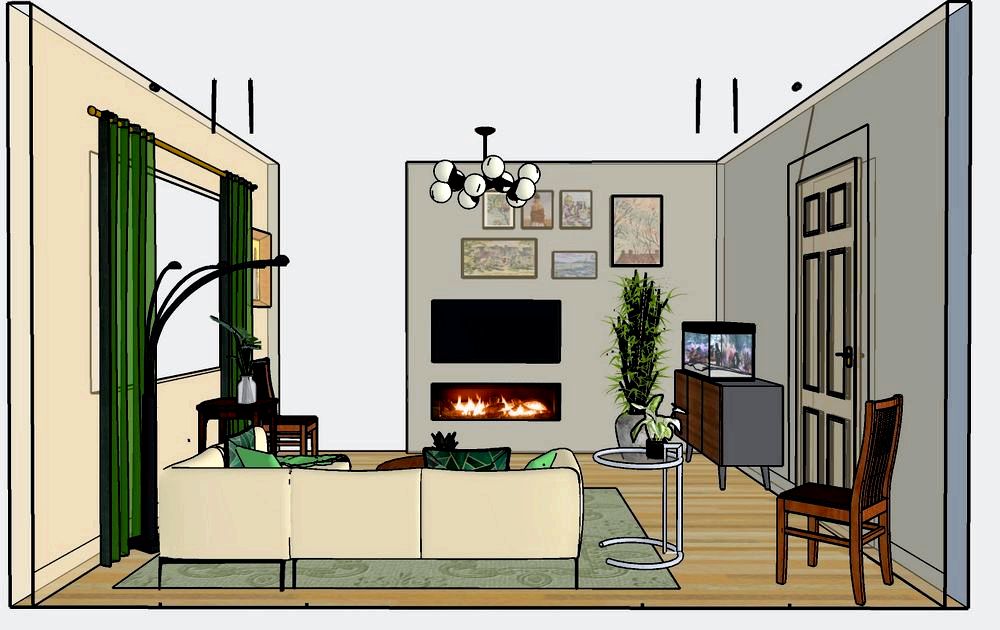
Virtual interior design offers clients a unique opportunity to see the final design result before physical installation in their homes. Through 3D technology, it is possible to feel and see the final appearance of spaces and furniture clearly and accurately.
Virtual interior design allows clients to choose from various options, easily change the design, and see immediate results. This saves money and time, ensuring that the final result meets the client’s expectations.
Virtual interior design also allows designers to showcase their capabilities and ideas in a clear and impressive way. They can present their ideas to clients in an experiential and captivating manner, giving them an advantage over competitors.
3. How Virtual Reality Technology Influences Interior Design
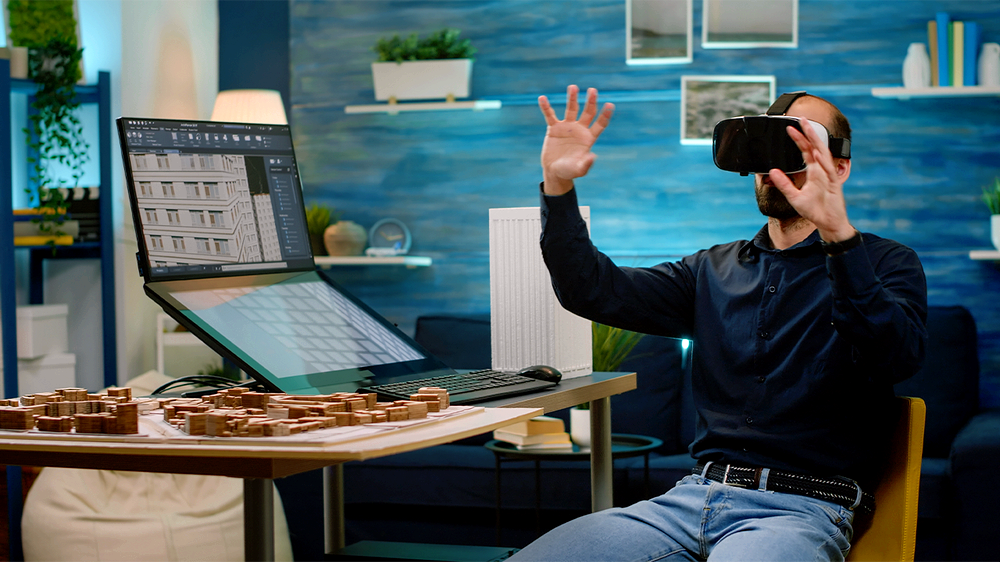
Virtual reality technology offers great innovation in the world of interior design. With the combination of advanced software and virtual reality, architects and interior designers can create new and fascinating experiences for their clients.
Using virtual reality in interior design allows designers to clearly and accurately present their ideas and plans to clients. Instead of explaining visuals and technical details, they can create a virtual image of the final result and allow clients to get used to it.
Additionally, using this technology allows designers to examine and change the design easily and quickly, saving a considerable amount of time in the design process. Moreover, the ability to present the result to clients in a virtual way helps them better understand the final look and receive efficient feedback.
Ultimately, virtual reality technology positively influences interior design and enables designers to bring their ideas to life in a spectacular and professional manner.
4. How to Use Virtual Reality in the Interior Design Process
Using virtual reality technology in the interior design process allows designers and clients to see the final result visually and accurately already in the planning stage. This gives designers the opportunity to choose materials, furniture, and designs that suit their clients’ tastes and create a perfect design experience.
Virtual reality allows designers to create 3D models of the interior space and present them to clients in a way that shows the overall atmosphere and feeling of the interior design. This allows clients to experience the feeling of entering the designed space and receive direct feedback on the design before the actual work is done.
The inner appearance of a person reflects their external appearance
Steve Jobs – Technology Entrepreneur
With virtual reality, it is also easy to change any aspect of the interior design – wall colors, furniture, lighting, flooring, and more. Everything can be changed at the touch of a button, allowing clients to see the different options and choose the perfect option for them.
The ability to create an artistic creation in interior design is an ongoing process
Jean-Paul Gautier – Interior Architect
In conclusion, using virtual reality in the interior design process saves time and resources, provides a more precise final result, and ensures absolute customer satisfaction. This guarantees a perfect interior design that suits all customer preferences and significantly enhances the interior experience.
5. Innovative and Advanced Ideas in Virtual Interior Design
Virtual reality and regular reality merge in today’s innovative and advanced interior design. The combination of technology and design allows designers to create unique and stunning experiences for their clients.
One of the most innovative techniques in interior design is the use of augmented reality. By using augmented reality, designers can show clients a virtual display of the interior design plan before it is implemented in reality. This allows clients to see and understand the design ideas and plans better and translate them into reality.
Another advanced technique is the use of 3D software, allowing designers to create computer models of interior design and present them to clients through high-quality images and videos.
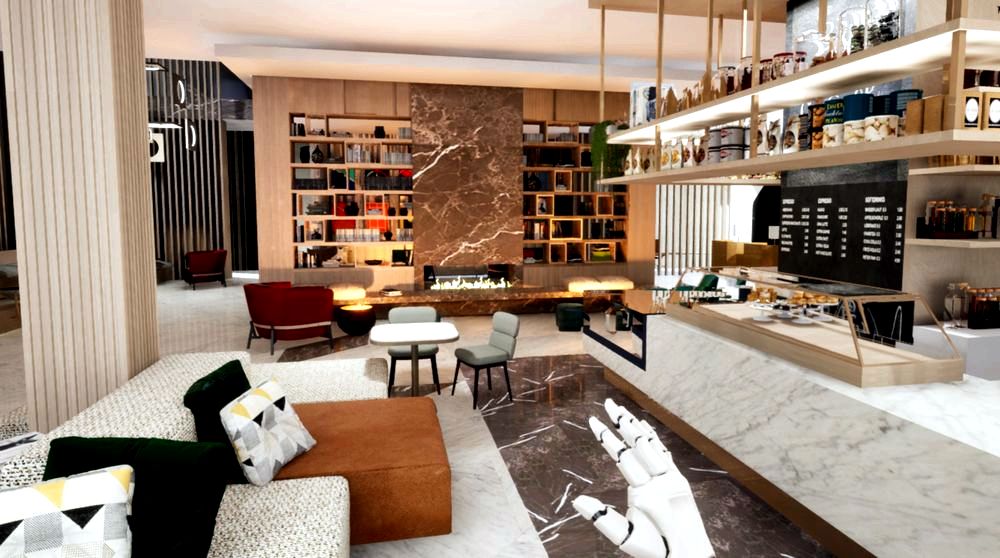
In addition, innovative ideas such as the use of new and unconventional materials like tempered glass, plastic, and processed metals advance interior design and give it an aesthetic and modern look.
In summary, innovative and advanced ideas in virtual interior design allow designers to bring their vision to life in a spectacular and unique way, creating a design experience that deepens the connection between the client and the interior design in an innovative and fascinating way.
6. Tools and Software Used in Virtual Interior Design
In the field of virtual interior design, a variety of tools and software assist designers in implementing their ideas in a precise and amazing way. Virtual design tools provide a platform for creating visual content that allows clients to see the final result and be excited about the stunning design created.
Software like SketchUp, AutoCAD, and 3ds Max are used to create ideas, design, and build 3D models of interiors and furniture. These programs help designers create detailed and accurate plans of interior design and offer tools to add colors, materials, and lighting to create a realistic image of the final result.
Moreover, specialized software like VRay and Lumion are used to produce high-quality images and videos, allowing the presentation of interior design in a vivid and impressive way using three-dimensional rendering technology.
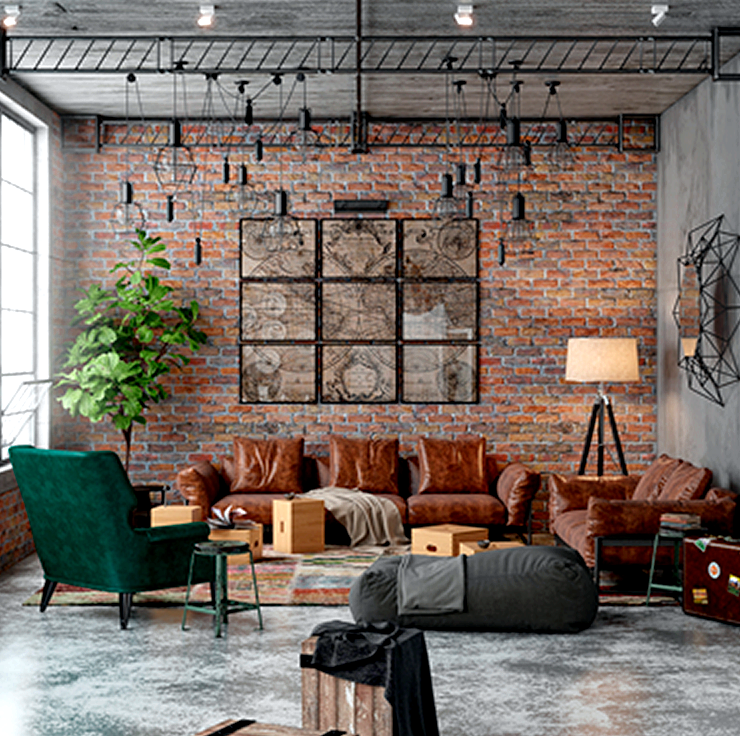
Designers have access to these advanced tools and software that allow them to create amazing designs and present them in a comprehensive and impressive way to their clients, thus improving the shopping and usage experience of interior design.
Examples of Successful Works in Virtual Interior Design
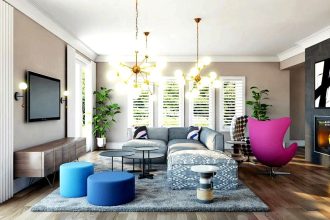
1. Impressive virtual planning of a living space with a combination of soft colors and modern furniture.
2. Bedroom design with privacy maintenance and a romantic atmosphere using natural wood furniture and soft lighting.
3. 3D model of a spacious and well-maintained kitchen in modern colors and innovative appliances.
4. Use of virtual reality technology for planning and designing unique and impressive workspaces.
5. Colorful and energetic children’s room with child-friendly furniture and warm and playful accessories.
The face is the oxygen of interior design
Oscar Wilde – International Interior Designer
6. Virtual design plan of an inner courtyard with greenery, comfortable furniture, and easy access to natural light.
7. Impressive design of a large living room with European style furniture, favorite lighting, and the use of quality materials.