


1. History of Industrial Lighting
Industrial lighting is a field in interior design that contributes to creating a unique and modern atmosphere in commercial and residential spaces. This lighting combines functionality with creativity and enhances the visual experience of users in the space. The history of this field begins in the 19th century with the development of electric lighting.
During the 19th century, with the industrial revolution, there was a need for efficient and reliable lighting in industrial and commercial facilities. This lighting developed as soon as the ability to create light using electricity was discovered, and the first electric lighting fixtures began to be developed. Initially, lamps touching coal and lemon were used, and then electric lamps with a more advanced technological solution were developed.
With the advancement of electric lighting, new designs and styles began to emerge in the world of industrial lighting. The uniqueness of industrial lighting lies in its “rawness” approach, where materials are preserved and exposed in a simple and rough finish. Plant lights, industrial lamps, and raw fixtures are examples of these designs.
Today, with advanced technology development, industrial lighting combines art and technology, creating innovative and stunning lighting solutions. The combination of metallic materials such as iron and copper with technological materials like glass and plastic creates new shapes and styles that characterize the modern design of industrial lighting.
2. Key Elements and Designs in Industrial Lighting
In the field of industrial lighting, there are several key elements and designs that are important for understanding the field and implementing design processes. When it comes to interior design in industrial lighting, it is important to consider several relevant factors:
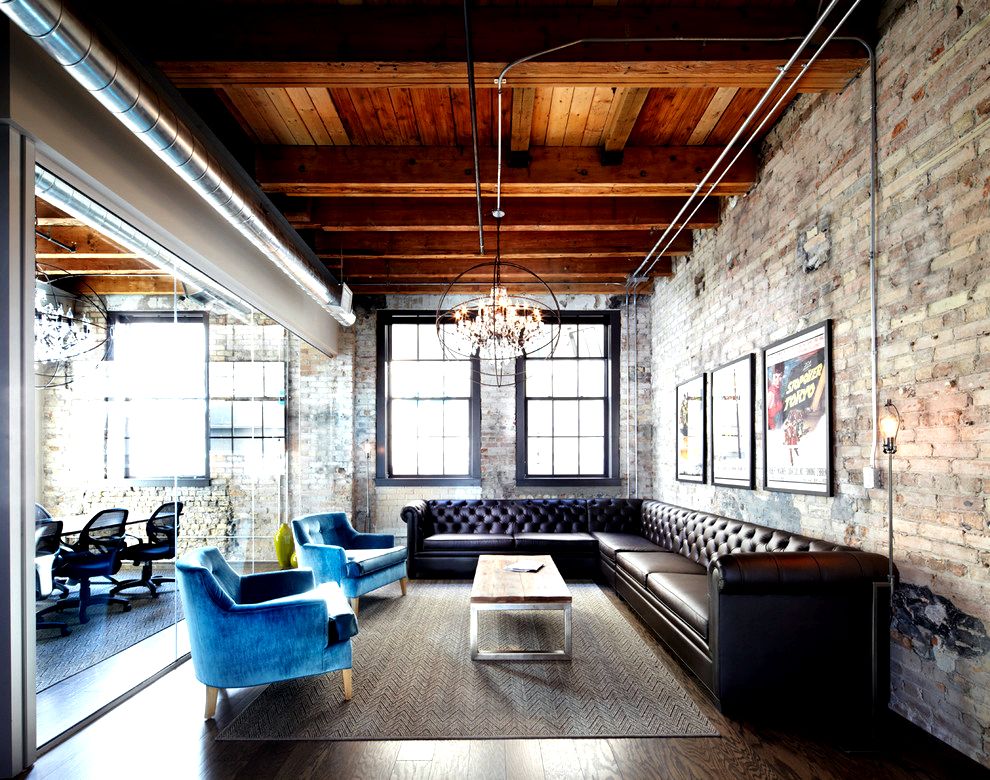
1. Fabric Types: Choosing the right fabrics depends on the type of desired lighting – whether it is warm or cool, direct or indirect lighting. It is also important to consider the fabric surface and its ability to disperse and distribute light.
2. Colors and Design: Colors and design in industrial lighting can either create or disrupt the atmosphere in a space. It is important to choose colors and designs that match the general design style of the space and provide a sense of completeness and unity.
3. LED Lighting: In the modern era, LED lighting has become one of the most popular options in industrial lighting. LED lighting offers many advantages and provides stability and maximum durability against extreme temperatures and the effects of noise and vibrations.
Lighting is the most influential factor on the atmosphere of space
David Cohen – Interior Designer
Choosing the right designs and fabrics in industrial lighting can enhance the user experience, improve lighting performance, and create a pleasant and central atmosphere in the given space.
Innovative Technologies in Interior Design and Industrial Lighting
The use of advanced technology in interior design and industrial lighting allows for creating a unique and impressive atmosphere in various spaces. These technologies provide unique and advanced solutions that enable interior design to be modern and unique. When using innovative technologies in interior design, remarkable and impressive results can be achieved that positively impact users’ experience.
One of the innovative technologies in interior design is the use of LED lighting. LED lighting is energy-efficient, environmentally friendly, and provides high-quality lighting. The combination of interior design and LED lighting allows for creating a unique and modern atmosphere that enhances users’ experience.
Another technology used in interior design is the use of smart sensors. These sensors identify human movement and activate various functions accordingly. For example, smart sensors can automatically turn on the lighting when approaching a specific space or adjust it according to the movement of a person within the space.
Additionally, another advanced technology is the use of light management systems. These systems allow adjusting the light intensity according to users’ needs and creating a different atmosphere each time. Light management systems provide great flexibility and the ability to remotely control space lighting.
In conclusion, innovative technologies in interior design and industrial lighting offer advanced and unique solutions that help create a stunning and modern experience for users. The use of these technologies allows interior design to stand out and create impressive and modern spaces.
The Impact of Light on Atmosphere and Space Perception in Interior Design
Light is one of the most important components in interior design because it influences not only the atmosphere in the space but also the spiritual and comfort feelings of users. Using light correctly can convey messages and create visual effects that enhance users’ experience in the space.
Natural light affects the warmth and pleasantness of space and the level of energy transmitted to residents. The combination of natural light with artificial light can create an additional layer of depth and atmosphere in the space.
Choices such as light colors, intensity, direction, and color temperature can influence the space perception and the comfort level of users. Warm and soft lighting may create a sense of calm and comfort, while cool and strong lighting may create a sense of dynamism and energy.
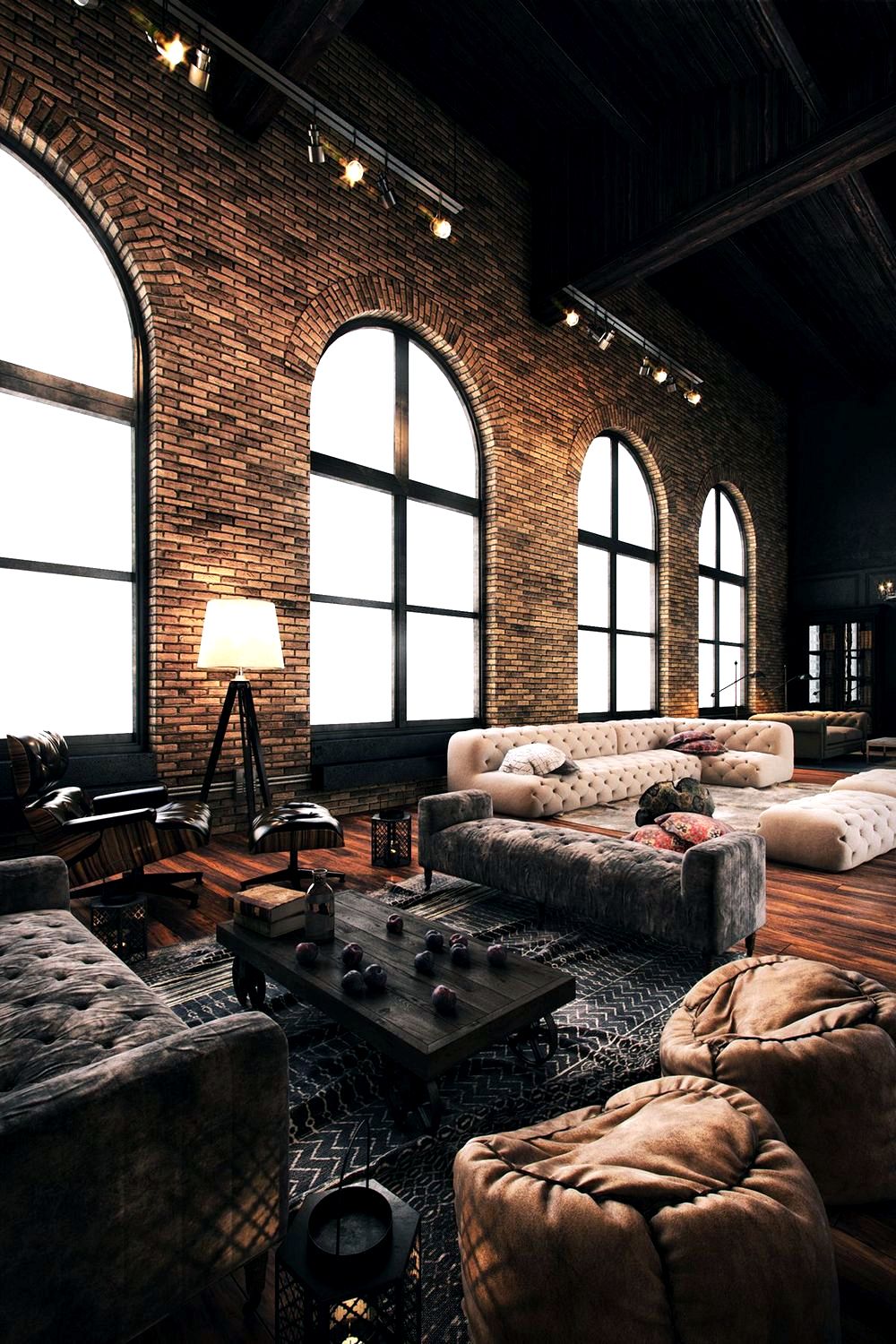
Moreover, proper lighting can convey messages and create a specific atmosphere in the space. Soft and intelligently operated lighting can create a sense of indulgence and luxury, while strong and bright lighting can create a sense of grandeur and status.
Industrial Lighting as a Solution to Lighting Problems in Homes and Offices
Industrial lighting is an excellent option as a solution to lighting problems in homes and offices. In the modern era, quality and efficient lighting are essential for creating a pleasant and impressive atmosphere in every space. Industrial lighting offers many options to turn any space into an impressive and pleasant environment.
A home or office with industrial lighting will look modern and sophisticated. The use of industrial lighting allows highlighting interior design and creating an amazing viewing experience. Industrial lighting can add a new dimension to space and give it an impressive and unique look.
Industrial lighting can also solve lighting problems in large and spacious areas. To create a perfect and comfortable atmosphere, it is important to choose quality lighting that illuminates the entire space uniformly and pleasantly. Industrial lighting is particularly suitable for large and spacious areas and can bring many benefits to users.
In conclusion, industrial lighting is an excellent solution to lighting problems in homes and offices. The combination of aesthetics and efficiency allows for creating modern and impressive spaces. The right choice of lighting can determine the atmosphere of space and create a pleasant and sophisticated experience for all space occupants.
Advantages and Disadvantages of Industrial Lighting in Interior Design
Industrial lighting offers several important advantages in interior design, such as high durability, low maintenance costs, and the ability to create special effects and atmosphere. This lighting is primarily suitable for large and open spaces and can transform any space into a modern and elegant look.
However, there are also disadvantages to using industrial lighting. This lighting may be too harsh and hot for some and may not be suitable for all types of designs and styles. Better adaptation with furniture and accessories is required to enhance the overall appearance of the space.
The best lighting is one that is not seen but felt
Shirley Levi – Lighting Designer
Choosing industrial lighting in interior design requires careful thought and proper coordination with other elements in the space. When done correctly, this lighting can be a key factor in creating a unique and modern atmosphere in every interior space.
Tips for Choosing Suitable Industrial Lighting for All Types of Spaces
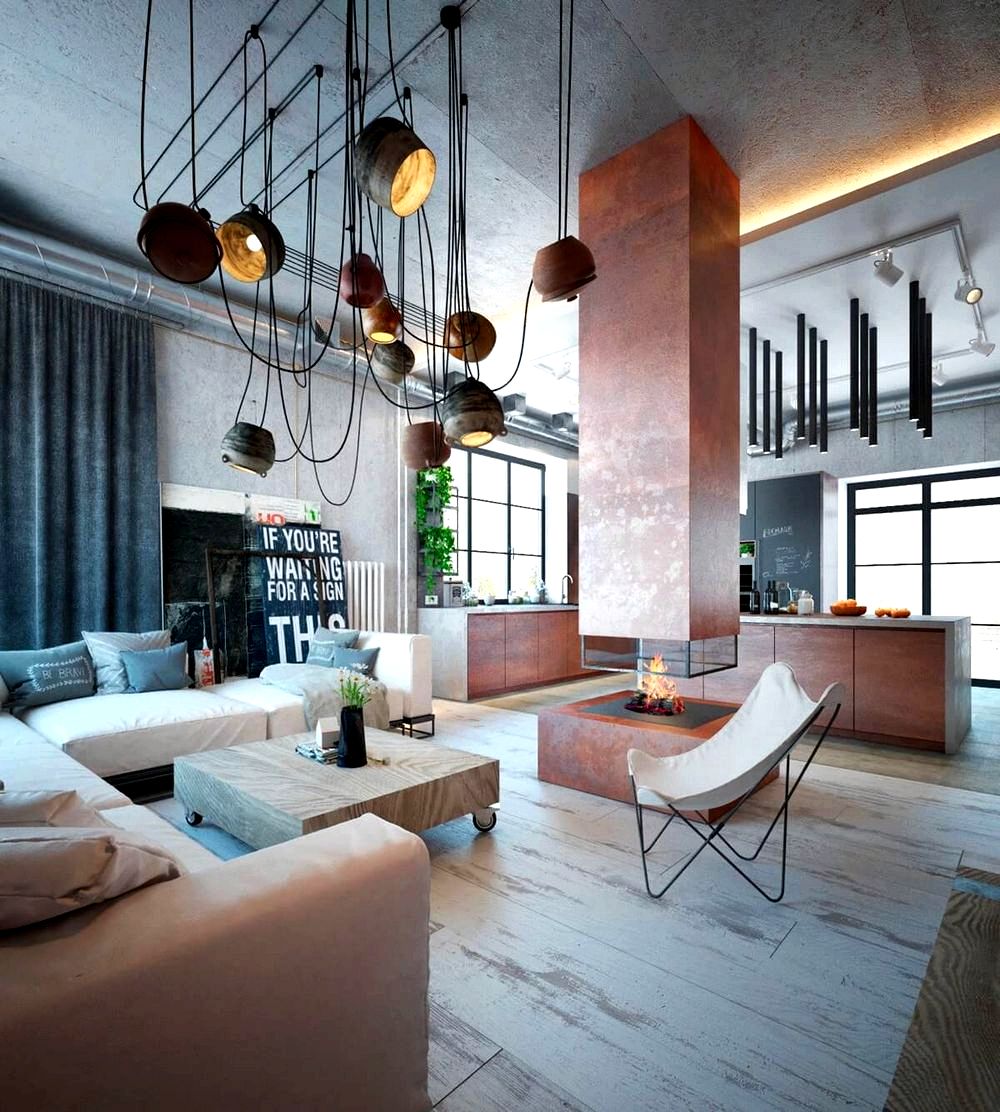
1. Determine the lighting height according to the ceiling height in the space. If you have a high ceiling, it is advisable to choose pendant lighting to create an industrial atmosphere.
2. Use LED lighting to save electricity and extend the lighting lifespan. LED lighting also provides quality and ecological lighting.
The right light can create stimulus or excitement in a space
Itay Cohen – Interior Designer
3. Choose fluorescent lighting for spaces with high needs for main lighting, such as workspaces or kitchens.
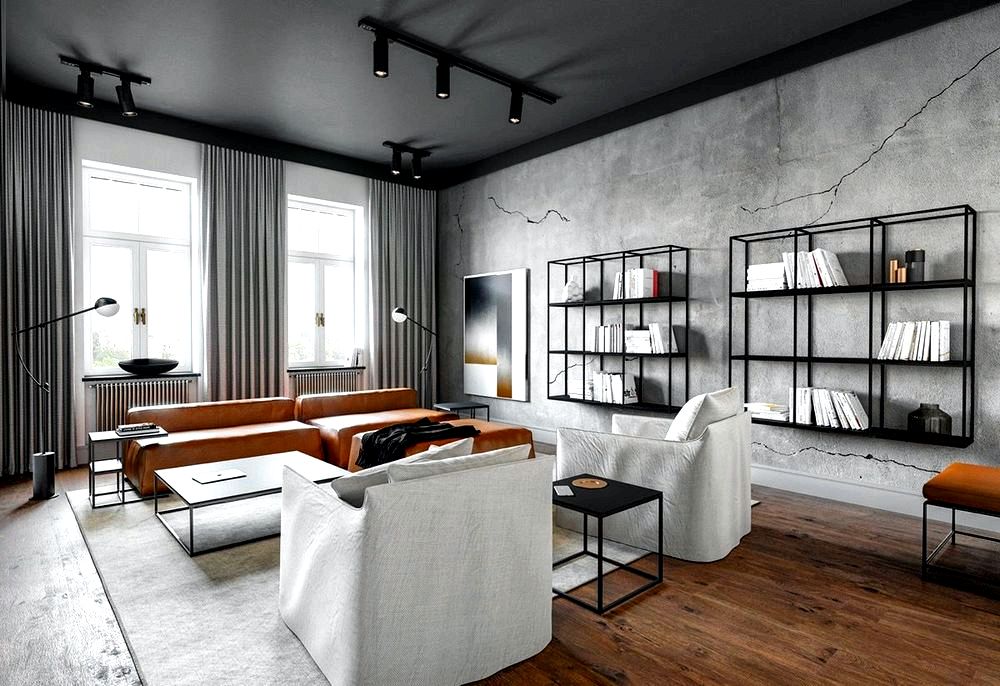
4. Match the lighting design to the space’s design style. For example, in an urban design space, industrial lighting with colorful tones can look sexy and modern.
5. Choose industrial lighting with directional options to create different atmospheres in the space as needed.
6. Use wall and ceiling lighting together to create quality light in all parts of the space.
7. Remember to consult with an interior designer or a professional organizer before choosing industrial lighting to ensure that it suits the space type and its design style.