





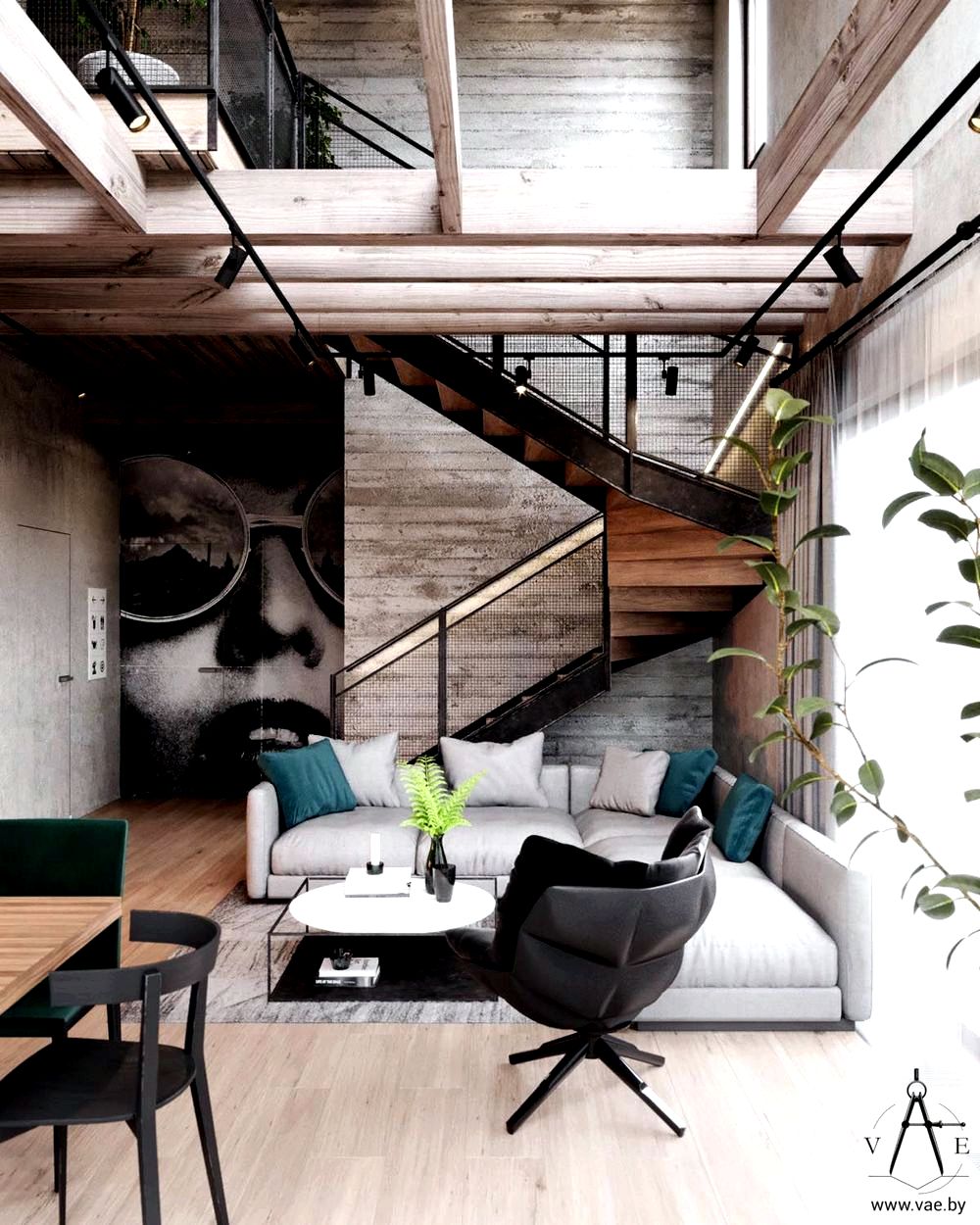
1. Historical Background of Industrial Minimalism
Industrial minimalism is an art and design movement that emerged in the 1960s on average and was invented among artists and designers as a result of economic and social processes. The movement itself embraces a new value system that developed in the large and complex industrial system of the 20th century, where people strive for simplicity and essentialism in all areas. Industrial minimalism represents the demand for simplicity and cleanliness, the removal of anything unnecessary, and the reduction of old and redundant burdens in our lives.
Industrial minimalism focuses on the use of simple materials and minimalist colors to create design and art works with clean and simple lines. The movement prefers geometric shapes and functionality, excelling in simplicity and, most importantly, in the functionality of the work. Industrial minimalism also contains the idea of creating a fascinating visual and sensory experience through simplicity and cleanliness.
Over the years, industrial minimalism has become a leading edge in interior design and architecture, widely used in designing homes, offices, restaurants, and shops. Clean lines, minimalist colors, and the use of natural materials and functional design are considered fundamental elements in modern interior and architectural design.
2. Key Features of the Style
Industrial minimalism is a design style characterized by the fusion of functionality and aesthetics. This design focuses on simple and clean finishes, combining materials such as iron, wood, and concrete. Additionally, industrial minimalism prefers dark and almost neutral colors.
One of the key features of the style is the use of raw and simple materials, such as iron and natural wood. They are integrated in the planning and design of furniture and accessories, creating an industrial and unique look.
The design style in industrial minimalism features straight, simple, and clean lines. Furniture and accessories in this style have a modern and elegant look, suitable for all types of spaces.
Another central characteristic of industrial minimalism is the preference for dark colors and neutral tones. Colors like black, gray, and white blend perfectly in this design, creating a sense of luxury and elegance.
In conclusion, industrial minimalism is a modern and elegant design style characterized by simple finishes, industrial materials, and dark colors. The style is considered aesthetic and refined, suitable for those looking for functional and unique design.
3. Planning and Design in Minimalist Style
In planning and designing in minimalist style, it is important to emphasize simplicity, cleanliness, and functionality. When designing a room in this style, it is important to avoid clutter and unnecessary items.
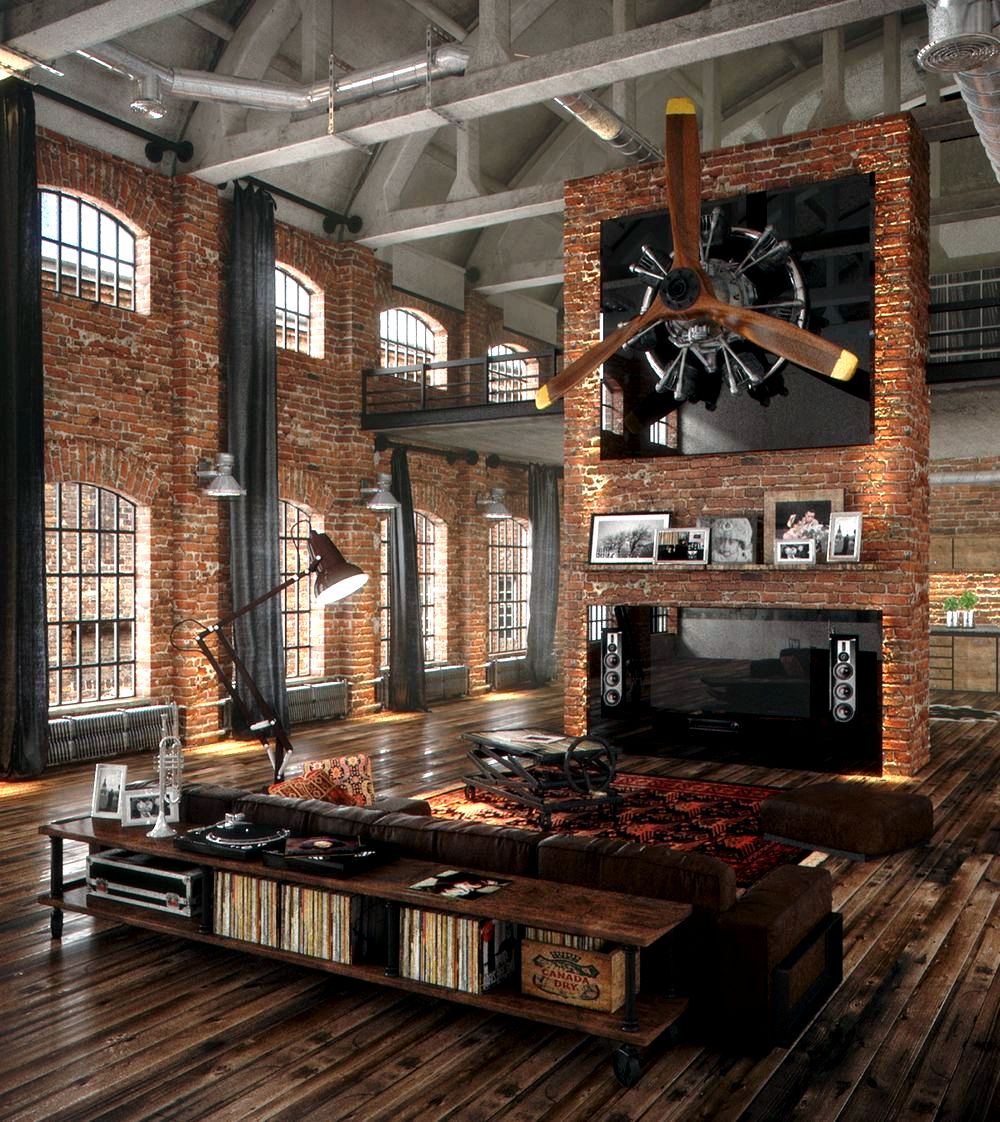
In bedrooms, you can use neutral colors and soft tones, complemented by simple and minimalist furniture. Additionally, you can add decorative items made of wood or metal with straight and simple lines.
In the living room, you can use furniture with clean and simple lines, avoiding clutter and unnecessary designs. Additionally, you can use basic decor and add plants or clean pictures on the walls to create a calm and minimalist atmosphere.
In the kitchen, you can create a clean and organized look with simple and neutral furniture. Additionally, you can use open storage and metal equipment with straight and simple lines to create a minimalist and clean look.
4. Use of Main Materials in Industrial Design
In industrial design, the use of main materials forms the basis for creating the unique and identifying look of the design. Materials like iron, stainless steel, wood, glass, and concrete are used as the core for creating furniture and accessories in industrial design.
These materials give industrial design a unique and contemporary character, conveying a mindset of simplicity and cleanliness. The use of main materials gives this design a modern and unique look, offering it a special aesthetic value.
Moreover, the use of durable materials that withstand the test of time ensures that industrial design remains durable and functional for years to come. This allows designers and creators to specialize in using these materials and create unique and impressive items in industrial design.
Examples of Minimalist Designs
Minimalist design is an aesthetic approach that focuses on simplicity, cleanliness, and efficiency. In minimalist designs, the use of light colors and simple shapes represents the principles of clean and organized cultivation. Below are some examples of minimalist designs in industrial design:
Minimalism is not just a design style – it’s a way of life.
Marie Kondo – Organizing and Cleaning Expert
1. Wood and Metal Chair: A minimalist design chair that combines natural wood and metal. Its simple shape and light colors give it a clean and modern look.
2. Metal Ceiling Lamp: A minimalist lamp made of metal in black or white. The straight and simple lines give it a contemporary and elegant look.

There is nothing new under the sun, only simplicity brings out the most beautiful.
Shirin Yehuda – Writer
3. Work Desk with Shelves: A work desk in minimalist design that combines natural wood and metal. The clean and functional shelves provide storage space in a modern and updated design.
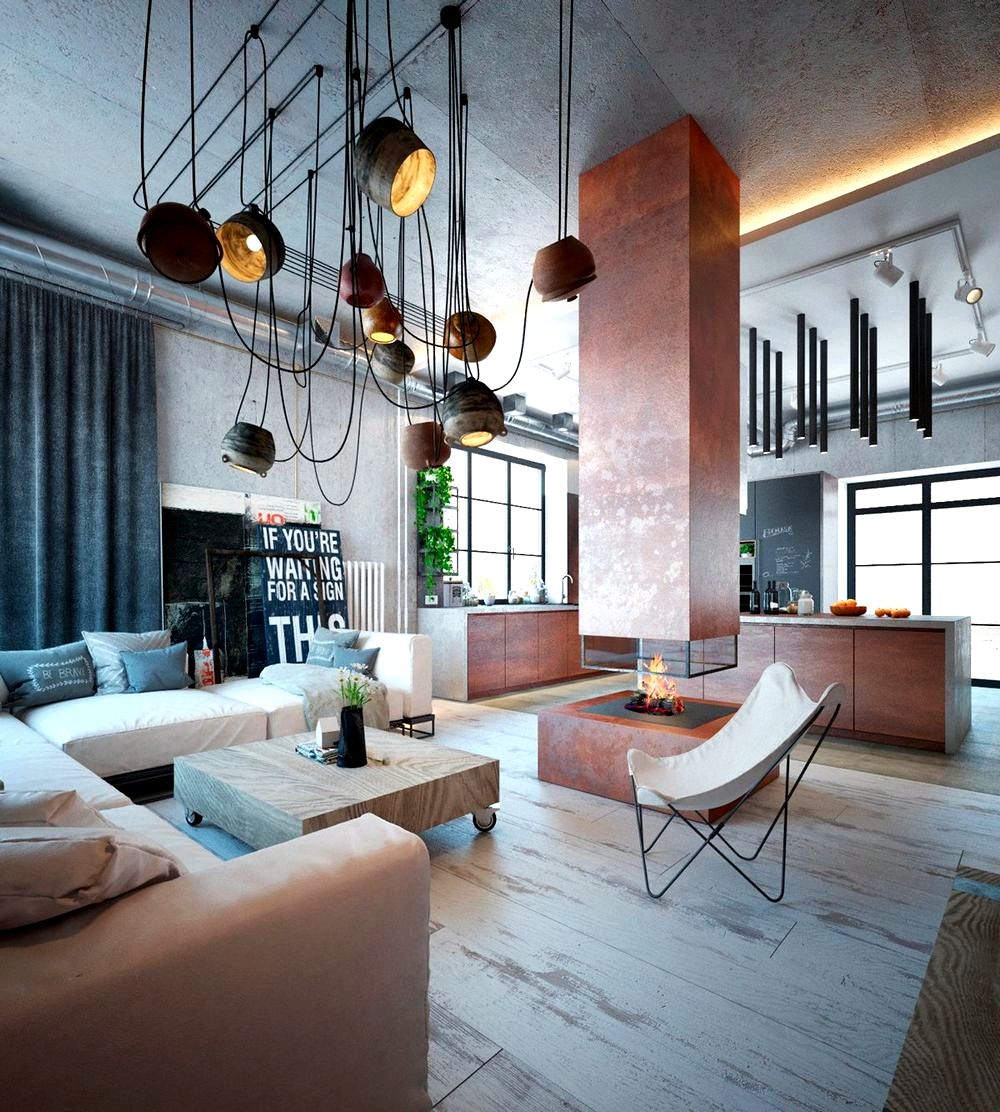
4. Three-Shelf Cabinet: A minimalist design cabinet made of natural oak wood. Its light colors and simple shape give it a classic and modern look as one.
5. Modular Sofa: A minimalist design sofa with a clean and modern look. The use of natural fabric in neutral tones complements the meticulous and beautiful design.
The Influence of Industrial Minimalism on Environment and Culture
Industrial minimalism is a popular design approach in the world today that focuses on simplicity, classic beauty, and functionality. Its influence moves away from the elaborate and noisy designs of the industrial age. Industrial minimalism also significantly impacts the environment and culture.
Thanks to the simplicity and uniqueness of minimalist style designs, there is a reduction in material consumption and natural resources. This reduces environmental impact and helps preserve the environment for future generations. Additionally, minimalist designs encourage regularity and order in daily life, providing a sense of calm and tranquility in the environment.
Regarding culture, industrial minimalism influences people’s thinking and culture. By eliminating consumer products and luxury items that represent consumer goods, a unique and different world view is obtained. Minimalism encourages people to focus on the essence of things and appreciate simplicity and spiritual beauty.
Finally, when integrating industrial minimalism into culture and the environment, public and private spaces are created that enhance the quality and design. This allows for the creation of more functional, beautiful, and calming living environments that improve people’s quality of life.
In conclusion, industrial minimalism has a positive influence on the environment and culture in the modern world. With its development and spread, there is reason for optimism about the future and our connection with the world around us.
7. Tips for Creating Minimalist Design at Home
1. Use neutral colors and a small range of light colors to create a unique and calming atmosphere.
2. Choose furniture with simple and geometric lines, and avoid complex and heavy furniture.
3. Use natural materials such as wood, glass, and metals to create a contrast between materials and tones.
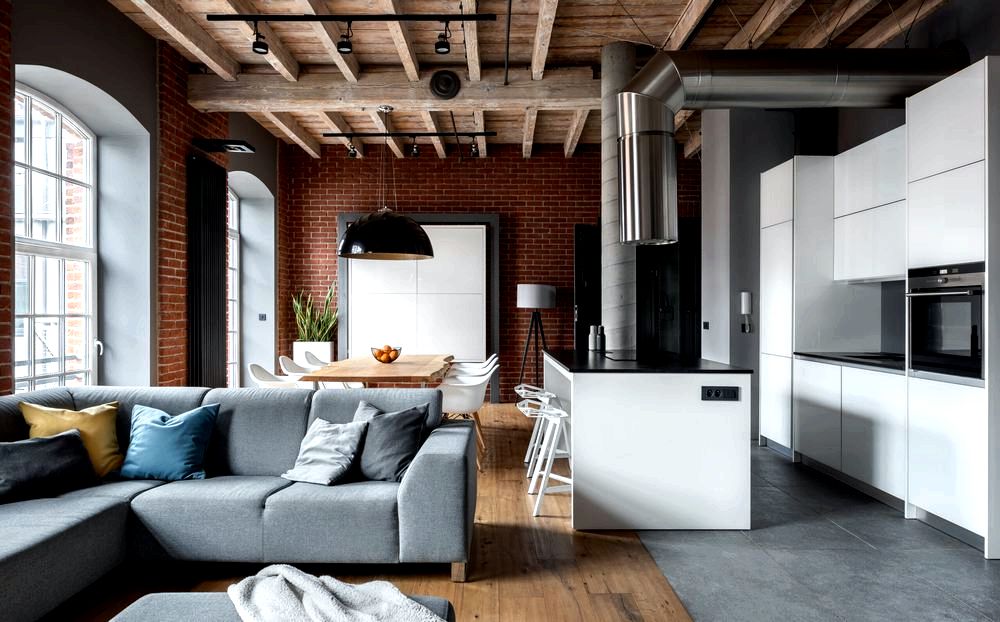
4. Choose minimalist and functional accessories that convey the minimalist style in the home.
5. Use natural lighting as much as possible and avoid using strong and extravagant lighting.
Minimalism strengthens the feeling of appreciating the less in life.
Francis De Saleva – Spiritual Guide
6. Decorate walls only with modern art and pictures that match the minimalist style of the home.
7. Add simple and small plants in every space to create a sense of naturalness and calmness.