



1. Impact of Industrial Materials on the Atmosphere of the Space
Industrial materials directly and indirectly affect the atmosphere of interior design. They can alter the air density in a space, create noise, and influence light and heat levels in the space. Additionally, industrial materials can change humidity and scent levels in a space and create a unique color and appearance. The importance of industrial materials in interior design is particularly felt in public spaces such as restaurants, clubs, and clinics, where it is important to create a special and impressive environment for customers.
Combining green belly and glass can create a unique feeling of summer and nature at home
Tal Cohen – Interior Designer
The use of industrial materials in interior design can create modern, elegant, and unique spaces. Materials such as metals, glass, plastic, and wood can create an innovative and impressive look in a space. In addition, the use of technological materials such as carbon fibers, steel, and glass mirrors can create a sense of speed and dynamism in a space. The importance of industrial materials in interior design is particularly felt in public spaces such as restaurants, clubs, and clinics, where it is important to create a special and impressive environment for customers.
Techniques and Methods for Creative Use of Industrial Materials
In interior design, the use of industrial materials can add a modern and unique look to the space. To create a beautiful and impressive result, it is important to understand the processing techniques and the use of these materials. Here are some methods and techniques for the creative use of industrial materials:
1. Cutting and Unique Shapes: When using materials such as metals or plastics, unique and interesting shapes can be created by cutting with special tools. This can add a modern and unique look to the space.
2. Material Combinations: Different materials can be combined to create stunning designs. For example, a combination of wood and metals can create a modern and warm look simultaneously.
3. Painting and Finishing: To enhance the appearance of industrial materials, special painting techniques and unique finishes can be used to give a modern and aesthetic look to the space.
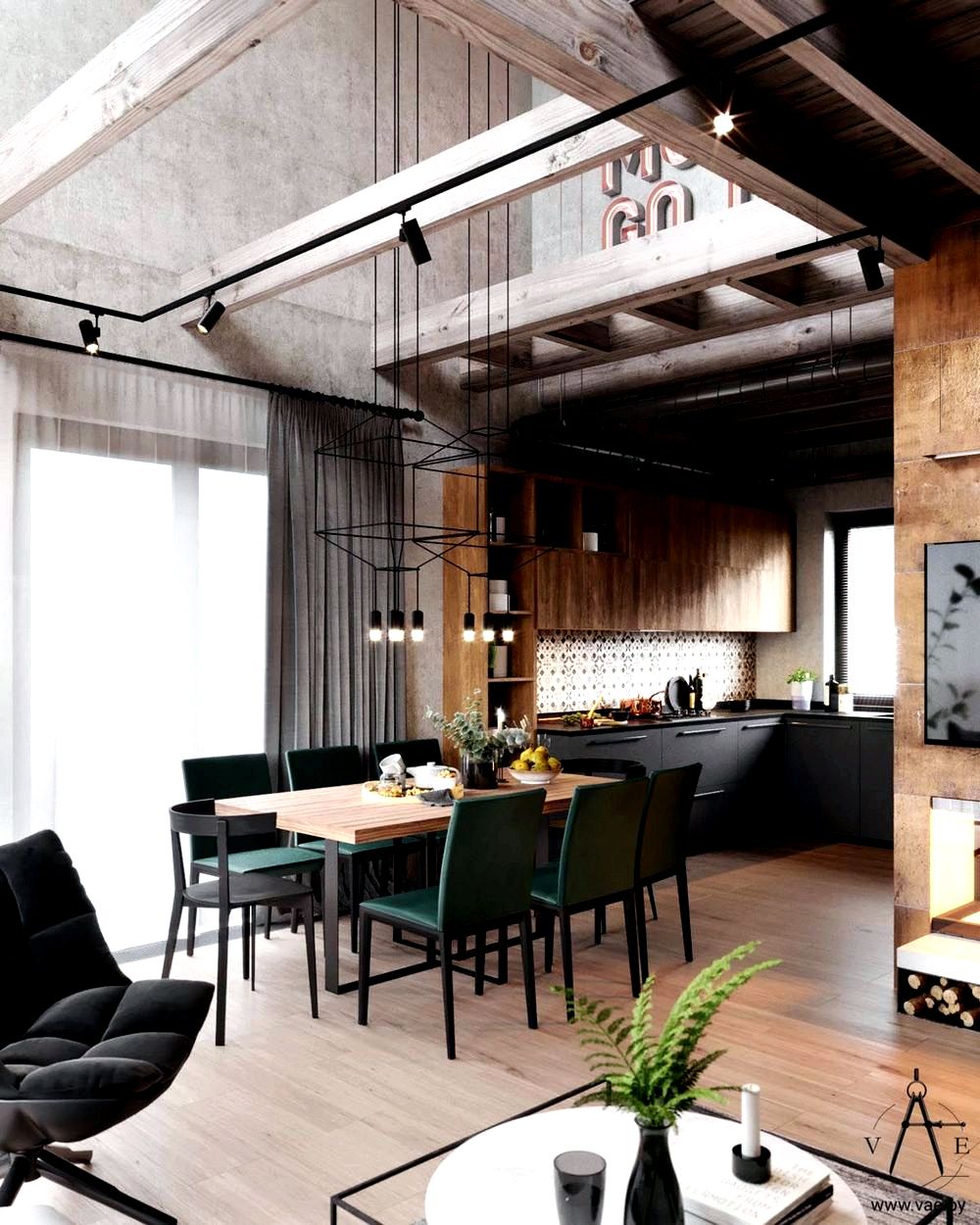
4. Reflection and Lighting: By combining industrial materials with proper reflection and lighting, a unique and impressive look can be created that significantly upgrades the space.
By using these techniques and creatively using industrial materials, modern, unique, and impressive interior design can be created that significantly enhances any space.
3. Emphasized Differences in Industrial Materials
In the field of interior design, it is important to understand the differences between the various industrial materials used. Each material offers unique properties that should be considered when choosing it for interior design. These differences can affect the overall look of the design and contribute to the atmosphere and aesthetics of the space.
One of the main differences between industrial materials is their durability. Materials like iron, aluminum, and glass may be more durable and suitable for spaces that require hard-wearing materials. On the other hand, materials like wood, plastic, and fabric may be softer and more suitable for spaces that require materials that are pleasant to touch and visually appealing.
Another difference between materials is their appearance and finish. Materials like glass and metals can provide a modern and cool look to a space, while materials like wood and fabric can create a warm and visually pleasing appearance. Choosing the right material depends on the style and atmosphere you want to create in the designed space.
In summary, when choosing industrial materials for interior design, it is important to consider their differences in durability, appearance, and finish. Choosing the right material will affect the look and feel of the space and advance its overall design.
Using metal materials such as iron and aluminum can create a modern and stylish look in a space
Itay Cohen – Interior Designer

4. Pros and Cons of Industrial Materials in Interior Design
Industrial materials are an integral part of modern interior design. They can be found in every part of the house – from furniture to walls and floors. However, there are pros and cons to using industrial materials in interior design that should be taken into consideration.
Pros:
- Industrial materials can give interior design a modern and unique look.
- They are durable and easy to maintain, which may save money and effort in the long run.
- Materials like iron, stainless steel, and concrete can provide durability and a unique design orientation to the space.
- Using industrial materials can create a sense of power and trendiness in a space.
Cons:
- Industrial materials can create a sense of coldness or difficulty in purchase.
- They may be less pleasant to touch and visually appealing than natural materials.
- Industrial materials may create noise and affect the acoustics in a space.
- Their durability advantage may turn into a disadvantage in situations where a change in the space’s image is desired.
5. Ideas for Combining Industrial Materials in the Home
1. Combining exposed concrete slabs with modern furniture and design accessories made of metals such as brass and metal carpets.
2. Adding industrial lighting such as metal lighting panels or LED lighting influenced by industrial designs.
3. Combining exposed metal colors such as epoxies or phosphine colors on walls or furniture in the living room or bedrooms.
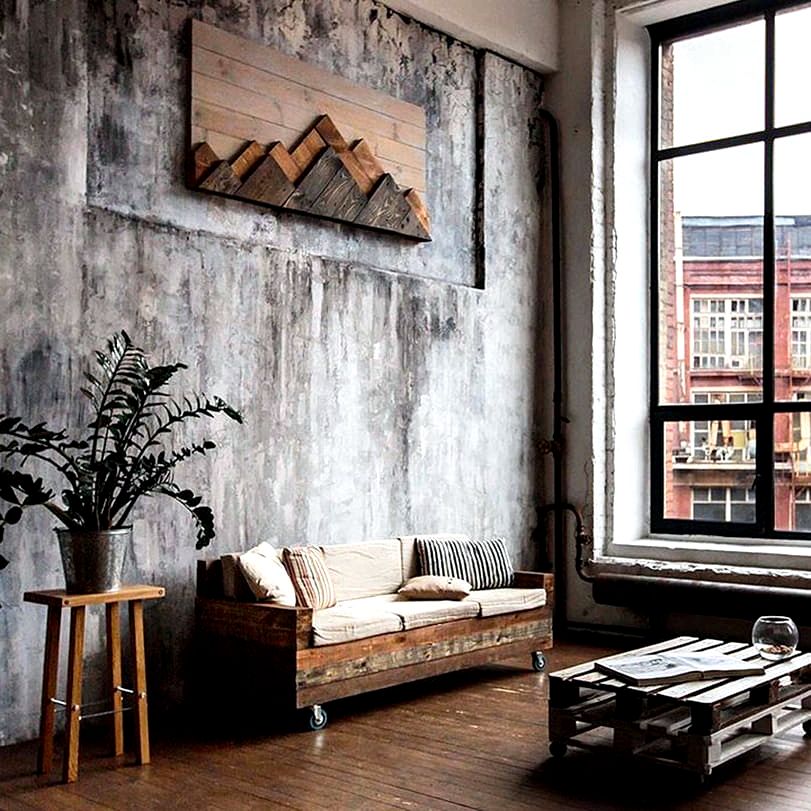
4. Using quality materials such as natural wood furniture or veneer against walls made of plaster or plastic or concrete flooring.
5. Creating home work corners made of metal or formica for a combination of modern and industrial materials in home workspaces.
Industrial materials can give a home a young and modern look
Shahar Cohen – Interior Designer
6. Tips for Choosing Industrial Materials in Interior Design
When planning industrial interior design, it is important to choose materials that suit the style and atmosphere you want to create. Here are some tips for choosing industrial materials in interior design:
1. Choose concrete: Concrete is a popular material in industrial interior design. It provides an urban, antique, and modern look all at once. Concrete can be used for creating furniture, floors, walls, and even lighting.
2. Natural wood: The combination of natural wood and industrial materials such as metals and concrete can create a modern and warm look. Wood can be used for furniture, floors, and even ceilings.
3. Metals: Using metals such as iron, aluminum, and stainless steel can add a cool industrial touch to the design. Metals can be used for furniture, accessories, and even decorative details.
4. Glass: Thick and strong glass serves as a perfect background for modern and minimalist interior design. Glass doors, glass shelves, and glass tables add elegance and luxury to the home or office space.
5. Plastic: Industrial plastic materials can also serve an industrial application in interior design. Plastic can be used to create furniture, lighting, and accessories.
Choosing the right materials contributes to creating a unique and impressive aesthetic in industrial interior design. It is an opportunity to bring your dreams to life and create an impressive and unique atmosphere in your living space.
Practical Examples of Industrial Materials in Interior Design
Industrial materials play a significant and meaningful role in modern interior design. These materials come in a variety of colors, sizes, and finishes, and can add a level of uniqueness and modern aesthetics to interior design. Here are some practical examples of industrial materials in interior design:
1. Steel: Steel is a durable and strong material that integrates into interior design in a modern and elegant way. Steel furniture, designed ceilings, and minimalist control accessories add a unique and luxurious atmosphere to living or office spaces.
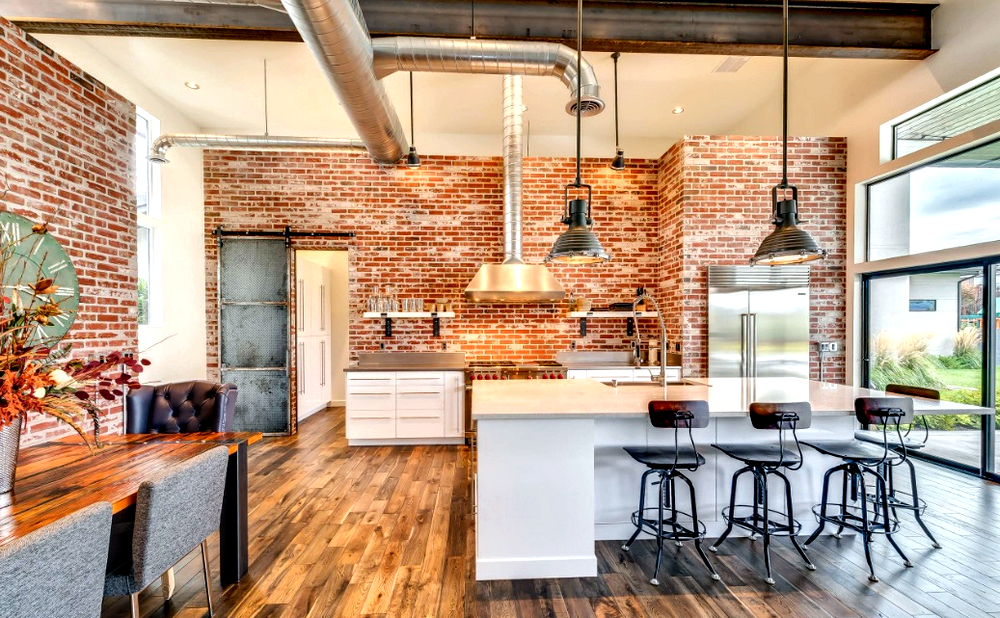
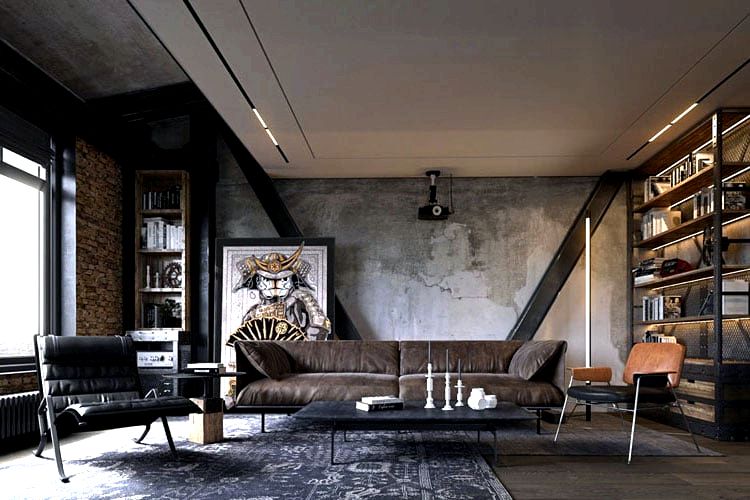
2. Concrete: Concrete is an industrial material that enters interior design as part of the contemporary loft design trend. Exposed concrete walls, concrete terrazzo, and concrete furniture provide an industrial and urban look to the space.
3. Glass: Thick and strong glass serves as a perfect background for modern and minimalist interior design. Glass doors, glass shelves, and glass tables add elegance and luxury to the home or office space.
4. Plastic: Industrial plastic materials are used to create furniture, lighting, and accessories in interior design in a minimalist and youthful style. Light or colorful plastic materials can add freshness and energy to a space.
Choosing industrial materials as part of interior design provides an interesting and innovative way to create modern and unique spaces. Each material provides a different feeling to the space and conveys a different message, so when combining multiple industrial materials in interior design, an intriguing and impressive aesthetic image is created.