


1. The History of Industrial Design
Industrial design is a field that combines creativity and functionality. This design method is considered one of the most important areas in design sciences. It incorporates technological processes and is therefore also considered an industrial creative expression.
The history of industrial design begins in the 18th century, when this design evolved parallel to the early industrial processes. This design mainly developed within the modern industrial system, combining functionality and style.
Over the years, the evolution of industrial design has changed and spread to various different fields, with its influence noticeable in human culture. It has integrated into interior design, architecture, furniture, and more.
Today, industrial design is an inseparable part of the modern world, bringing creativity and functional practice. The ability to blend different styles in design offers new and original solutions for the changing needs of modern society.
The Influence of Other Styles on Industrial Design
Industrial style is a popular design style that combines industrial and artistic design worlds. Many argue that it reflects the urban and industrial environment in which we live today. It is particularly suitable for wide and open spaces, using materials such as iron, wood, and glass.
In this article, we will examine the influence of other styles on industrial design. First, we will focus on the modern style that has spread the idea of simplicity, natural materials, and clean lines. This style has influenced industrial design by emphasizing functionality and efficiency.
Next, we will consider the influence of classic styles on industrial design. Styles like minimalism and organic design have influenced the integration of functionality and aesthetics in industrial design. The use of neutral colors and light shades is common in this style.
In summary, we can see that different styles influence industrial design in various ways. The combination of classic, modern, and industrial styles creates interesting and unique results that enhance the experience of industrial design and usage of industrial spaces.
3. Planning and Designing Spaces in Industrial Style
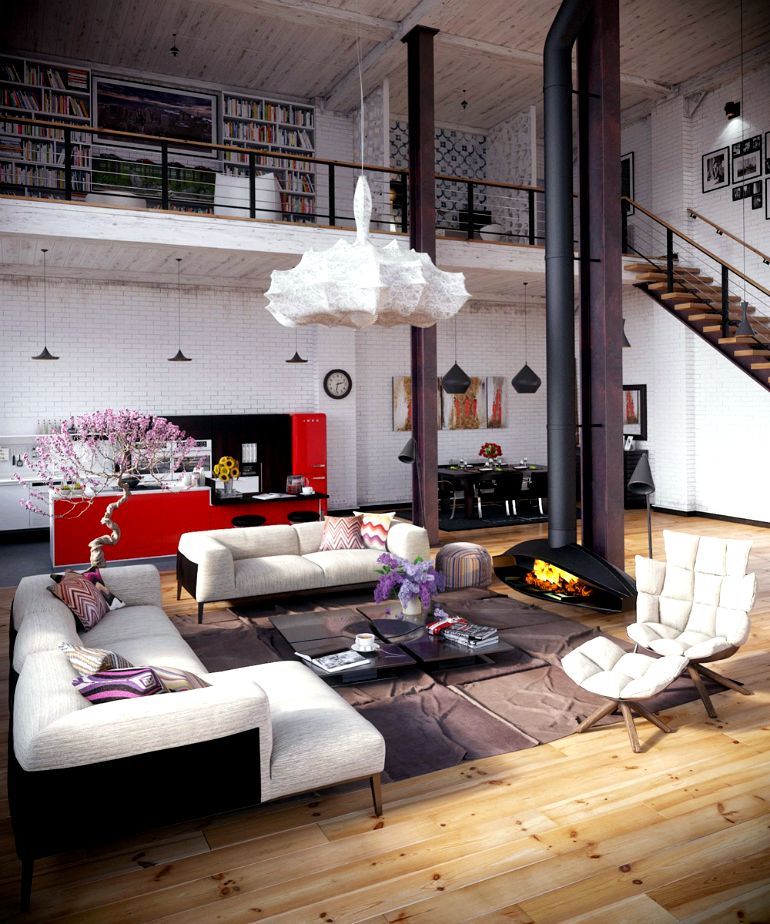
Industrial design is a popular style in interior design, characterized mainly by the use of raw and functional materials such as iron, wood, glass, and concrete. In this style, the structure and materials remain exposed and not completely covered, creating an urban and industrial look. In interior spaces, this is evident in complementing furnishings made of steel, antique wood, or veneer, and colors with neutral tones like black, gray, brown, and white.
When planning spaces in industrial style, it is important to emphasize creating a sense of calm and comfort for occupants. To achieve this, neutral colors should be used, and throughout the process, maintaining cleanliness and order in the space is essential. The space can be upgraded by complementing it with industrial-style accessories and furniture, such as industrial-designed lighting, glass and metal coffee tables, and wooden and iron pendant lights.
The combination of raw and functional materials with neutral colors and furnishings gives industrial spaces a modern and distinctive look. When designing spaces in this style, it is important to maintain a balanced relationship between the different materials and ensure that the space remains functional and pleasant to use. Additionally, attention should be paid to neutral colors and not let them become overwhelming and disrupt the sense of cleanliness and order in the space.
Ultimately, designing spaces in industrial style embodies its prominent features in a modern and functional way, catering to those interested in unique and refreshing interior design. By choosing materials, furnishings, and colors that suit this style, a modern and aesthetic space can be created that upgrades the home and enhances its atmosphere.
Materials and Colors in Industrial Design
In industrial design, the combination of different materials and the use of colors are crucial. Materials like iron, wood, glass, and concrete are widely used in design to create a unique and industrial look. When using these materials, it is important to adapt them to the desired design style and integrate them in the most appropriate way.
Furthermore, the use of colors in industrial design can dramatically change the look of a space. When using warm and natural tones, a pleasant and calming atmosphere can be created. In contrast, bold and bright colors can create a modern and striking appearance.
By combining materials and colors in industrial design, emphasis should be placed on creating completeness and unity between the different elements. This can lead to an impressive and striking final result that conveys the unique style of industrial design.
5. Furniture and Accessories in Industrial Style
Industrial style always represents a sense of interest and uniqueness. In interior design with an industrial style, furniture and accessories blend perfectly to create an industrial, contemporary, and interesting atmosphere.
The combination of warm and cool colors creates an aesthetic and refreshing atmosphere.
Noa Rosenberg – Interior Designer
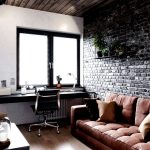
In unique spaces with an industrial style, the combination of metal furniture with wooden and leather design items creates an interesting and perfect contrast. Additions like metal wall bracelets, large clocks, and industrial lighting give the space a unique and impressive look.
Techniques and Trends in Industrial Design
In the field of industrial design, there are a variety of techniques and trends that influence the design processes and the final outcome of the product. There are several key trends visible in this field today that affect modern industrial design styles. One of them is the combination of different materials and advanced technologies such as 3D printing and laser cutting.
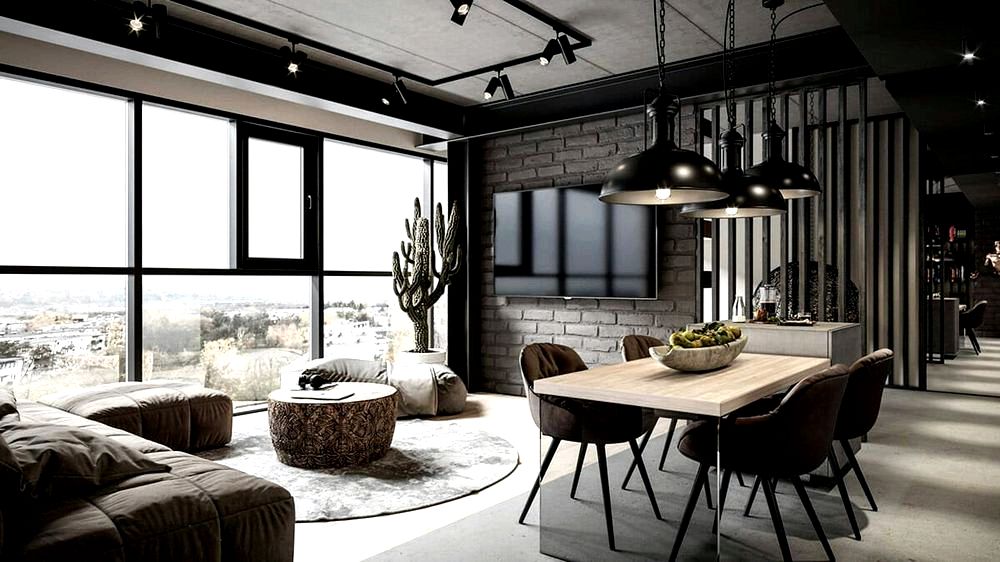
Functional design is another common trend in industrial design, where the product is primarily designed to fulfill functional needs and serve its purpose. An example of this is the design of furniture and accessories with multiple functions that integrate into their shape and design.
In addition, unique techniques are used in industrial design to create impressive and well-designed products. For example, designing lighting items with unique shapes or using special materials such as precious metals or frosted glass.
In industrial design, the integration of different styles and their combination to create unique and impressive products is possible. Thus, designs that combine minimalist styles with urban or rustic styles can be seen, creating a sense of quality and luxury.
Simplicity and cleanliness in design characterize industrial style.
Shahar Levi – Industrial Designer
7. Industrial Design in Commercial and Institutional Spaces
Industrial design in commercial and institutional spaces provides a unique and characterful feel to the environment. This design integrates various styles to create a refreshing and modern visual experience.
In commercial spaces, industrial design is intended to emphasize industrialism and focuses on heavy and rough materials like iron, concrete, and natural wood. Dark tones and functional design give the space a refined and authentic atmosphere.
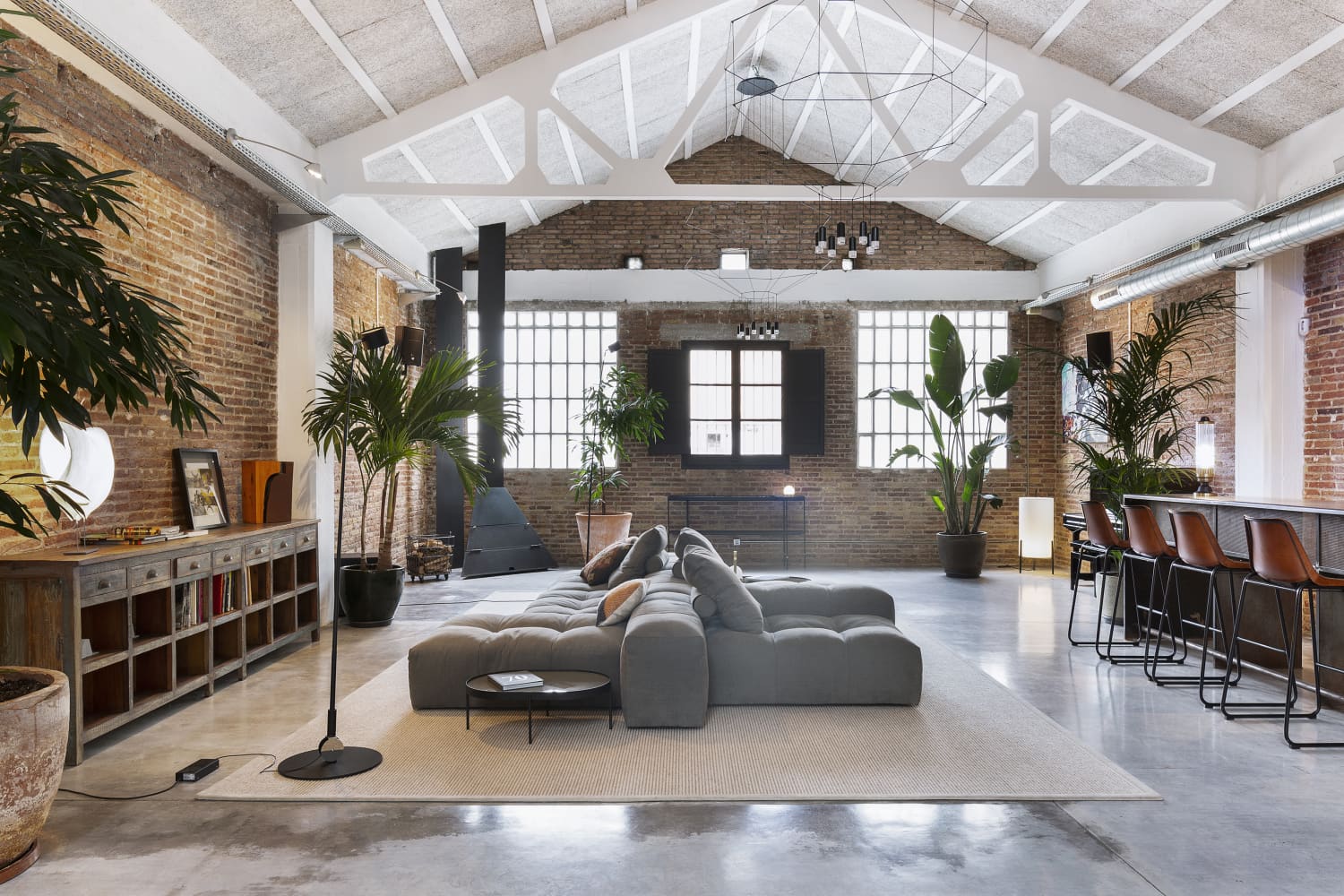
Additionally, in institutional spaces, industrial design combines metal furniture with transparent and colorful colors, along with high-quality and modern wood furnishings. The combination of different materials and colors offers a sense of uniqueness and luxury.
The combination of straight lines and sharp angles gives sparkle and character to the design.
Michael Cohen – Industrial Designer
In conclusion, industrial design in commercial and institutional spaces offers a modern and unique design experience, combining functional planning with impressive aesthetics.