


1. History of Minimalism in Interior Design
Minimalism in interior design is an independent and unique approach focusing on simplicity, cleanliness, and sharpness. The development of minimalism in interior design began in the 1960s and continues to this day.
At the beginning of the 20th century, artistic and design institutions began to realize the need to simplify and lighten the design of interiors. This was a movement that emerged following the advice of many artists and designers who raised the concept that controlling the amount of details is central to the success of any design.
Minimalism in interior design offers new ideas and perceptions on the design of interiors, bringing with it new values of beauty and order. The principle of simplicity and cleanliness becomes an inseparable part of the creativity and design of interiors.
Minimalism in interior design is based on fundamental principles of simplicity, cleanliness, and transparency. Designers who implement these principles pay attention to the smallest details and strive to apply the principles in every design of the space.
In conclusion, minimalism in interior design is an innovative and unique approach focusing on simplicity, cleanliness, and sharpness in interior design. Its development began in the 1960s and continues to this day, introducing new values of beauty and order to the field of interior design.
Main Components of Minimalist Interior Design
Minimalist interior design is based on principles of simplicity, cleanliness, and purposefulness. In order to create a sense of cleanliness and tranquility in a space, it is important to use simple components and integrate them in a balanced and measured manner.
One of the main components in minimalist interior design is the use of neutral colors and subtle colors. Such tones create a quiet background, allowing furniture and decor to express themselves impressively and prominently.
Another important component is the use of simple shapes and clean lines. Furniture with straight and simple lines adds a sense of uniqueness and organization to the space.
Minimalism is a feeling of cleanliness in the soul
Antony Rubin – Architect
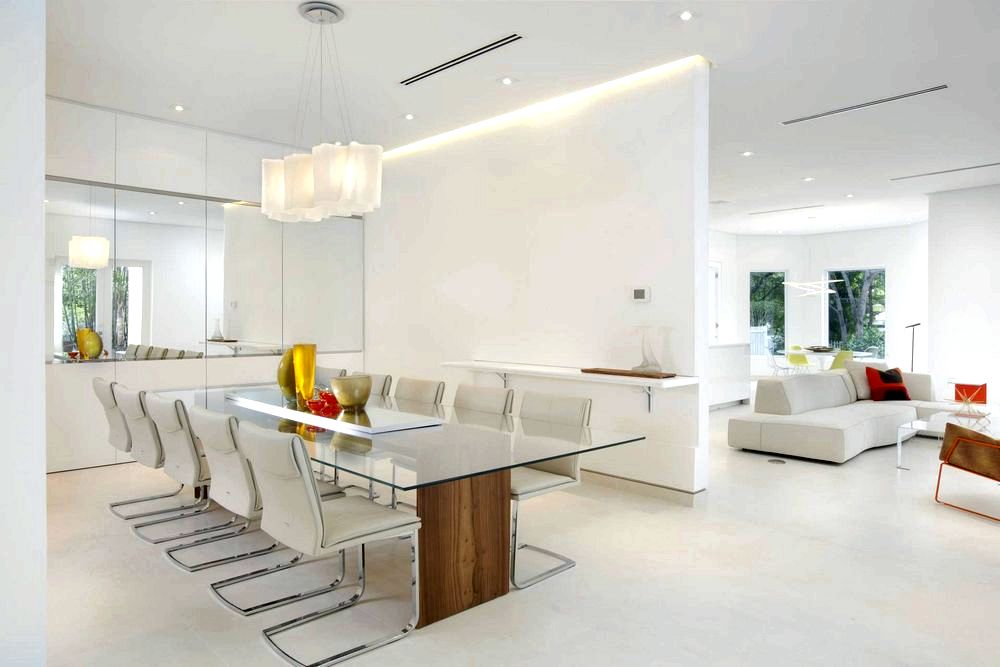
Ultimately, carefully selected and moderate items complement the minimalist design. When only the necessary items are present, and each item exudes a sense of beauty and completeness, the final result is a minimalist and impressive space.
3. Use of Neutral Colors and Reduced Dimensions
The use of neutral colors and reduced dimensions is one of the principles of minimalism in interior lighting. Choosing neutral colors such as white, gray, black, and various shades provides calmness and cleanliness to the environment. They allow furniture and accessories to express themselves cleanly and elegantly, enabling the eye to focus on the displayed items rather than non-modern colors.
In addition, using reduced dimensions ensures a sense of spirituality and leisure in the environment. Simple and uncomplicated designs promote a sense of calmness and comfort, making the space look spacious and airy. When aiming to create a sense of homeliness and warmth, it is preferable to choose simple tools and reduced dimensions.
In summary, choosing neutral colors and reduced dimensions in interior lighting design contributes to creating a clean, spiritual, and calming environment. They allow items to express themselves at their best and provide comfort and homeliness to the space.
4. Furniture and Accessories in Minimalist Style
Minimalism is a popular style in interior design that focuses on simplicity, cleanliness, and functionality. When discussing interior design in a minimalist style, the furniture and accessories in the room should be simple and graded, without containing excesses or non-directed embellishments.
One of the main characteristics of furniture in a minimalist style is their simplicity. Such furniture is usually made of simple materials such as wood, metals, and glass, suitable for spaces where a quiet and calming atmosphere is desired.
In addition, in furniture and accessories in a minimalist style, it is important to focus on functionality. Furniture in this style should serve their main purpose only, without including elements that do not contribute to their main objective.
Small details create the complete picture
Yoni Levi – Interior Designer
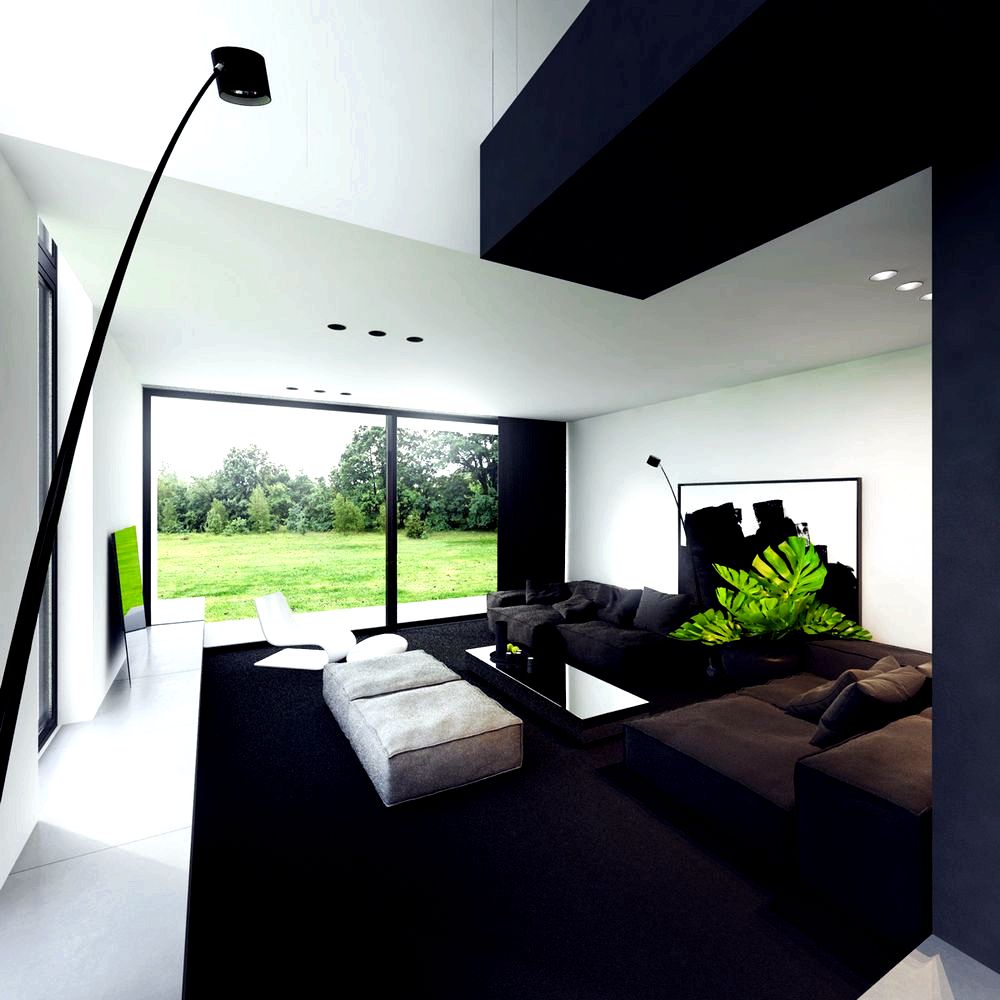
In conclusion, the combination of simple, clean, and functional furniture with minimalist accessories can create a pleasant and calming interior space that invites you to stay and enjoy the peace and simplicity it offers.
5. Aligning Interiors and Creating Airy Spaces
In the corners of the home where we reside, creating airy spaces is of great importance, especially in the bedroom. Aligning interiors and creating airy spaces give the space a tidy and impressive appearance, adding comfort and tranquility.
To create airy spaces, it is essential to remove any items that do not serve the main purpose of the space. Built-in cabinets and small work tables can be used to align interiors and create airy spaces, hiding items that are not in use inside the cabinet.
Small lighting fixtures and mirrors with thin frames can be used to create a sense of width and space in the area. Additionally, choosing furniture in neutral colors and using plants and flowers can add color and vitality to the space.
Choose simple and clean furniture with straight lines and simple shapes to maintain the feeling of space and cleanliness in the area. Aligning interiors and creating airy spaces can improve the quality of life and create a peaceful and calming environment in your home.
The Influence of Lighting on Minimalist Interior Design
Lighting is considered one of the most important components in minimalist interior design. Its influence on the clean and simple style of design can be significant, affecting the atmosphere and overall look of the space.
Using natural lighting is one of the central ways to create a sense of spirituality and tranquility in a space. Large windows and openings can create an experience of openness and spirituality, while small and closed window lighting can create a feeling of growth and intimacy.
In addition to natural lighting, the use of artificial lighting can create impressive effects in the space. LED lighting and fluorescent lighting can create a modern and clean look, while halogen and lamp lighting create a warm and intimate atmosphere.
In short, lighting is a vital tool in minimalist interior design that requires time and thought to create a perfect and inviting atmosphere for the space.
Tips and Ideas for Creating Minimalist Interior Design in Your Home
1. Remove all unnecessary items from the space and display only the most important items on the walls.
2. Choose neutral and simple colors for the walls and furniture in the space to create a clean and minimalist look.
3. Focus on natural lighting in the space by opening windows and using light curtains.
4. Choose simple and modern furniture with clean lines and simple shapes.
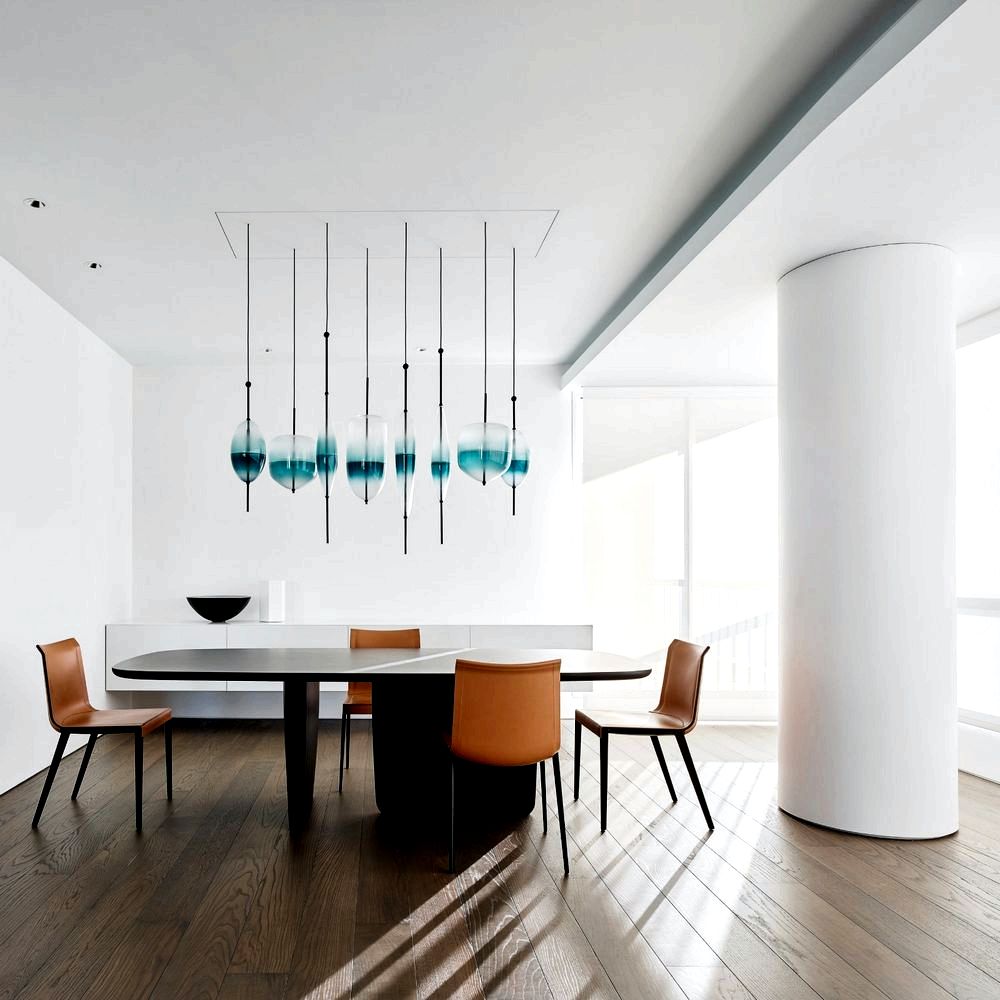
5. Use mirrors and glass to add a modern look and practical touch to the space.
6. Use simple plants and pots to add freshness and naturalness to the space.
7. Use minimalist and simple accessories with geometric shapes and neutral colors.
Minimalism frees from noise and clutter
Roni Cohen – Psychologist