





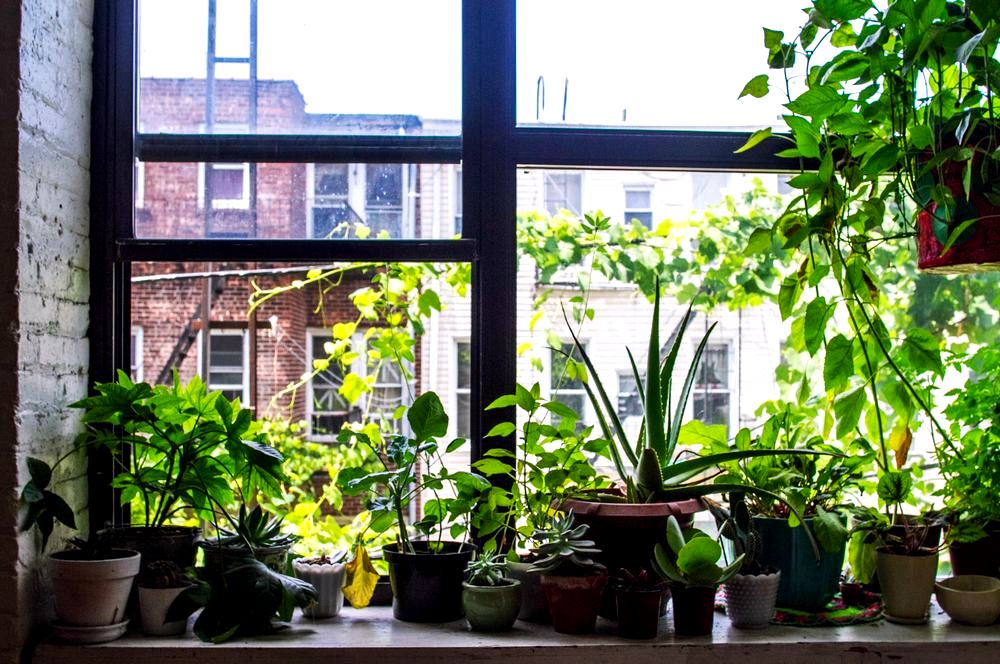
1. Choosing a Suitable Location for an Apartment Garden
When planning to create a vegetable garden in an apartment, it is important to choose a suitable location that will allow the plants to grow in the best way possible. You should consider the following conditions:
Light: It is very important that the location you choose receives enough sunlight to allow the plants to grow in a healthy way. Make sure that the window or location you choose has access to natural light for several hours a day.
Temperature: Plants need a suitable temperature for growth and proper development. Make sure that the location you choose is not located next to an air conditioner or a hot oven that may harm the plants.
Water Availability: In order for the plants to survive and grow properly, it is important to ensure that they have access to water. Make sure you have the ability to water them regularly and properly.
Air availability: Plants also need access to fresh air. Make sure that the location you choose is not too enclosed and has the option for air circulation.
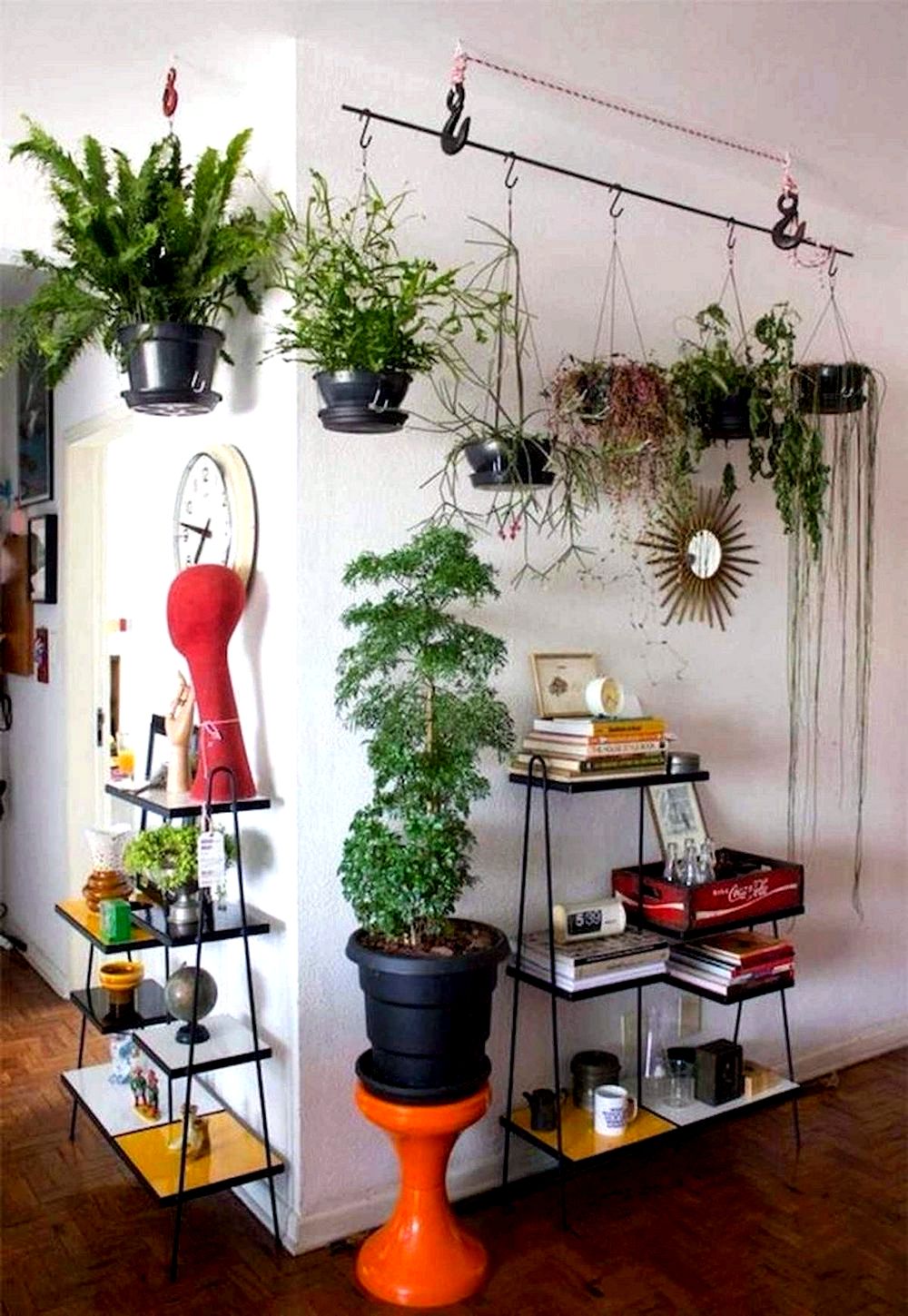
Plants in hanging boxes can add volume to your vegetable garden
Shira Rozen – Interior Designer
Choosing a suitable location for an apartment vegetable garden will promote the growth of the plants and provide them with the perfect conditions for healthy and successful development. Pay attention to the above points to ensure successful and impressive growth of vegetables in your apartment.
2. Purchasing Gardening Supplies and Tools
Before starting to grow vegetables in an apartment, it is important to invest in suitable gardening supplies and tools. When deciding which plants to grow, it is advisable to purchase basic gardening tools such as pots to plant the vegetables, a watering can to keep the plants moist, soil, fertilizers, and tools such as pruners, trowels, and gardening gloves.
Choosing quality gardening tools will help you perform work comfortably and efficiently. Quality gardening tools will save you back pain and allow you to perform the work quickly and efficiently. When purchasing gardening tools, it is advisable to choose tools made of quality and durable materials like weather-resistant plastic so they will last over time.
In addition, it is advisable to invest in accompanying gardening tools such as a moisture meter for measuring soil moisture and cutting and seeding tools. While purchasing gardening supplies, remember that it is important to keep the tools clean and maintained to prolong their usability.
Ultimately, purchasing quality and accompanying gardening supplies and tools will help you create a vegetable garden in your apartment efficiently and successfully.
3. Choosing Plants and Vegetables Suitable for an Apartment Garden
Choosing the right plants for your apartment vegetable garden is a crucial step in the success of the project. It is important to choose small plants suitable for growing in containers and avoid plants that require a lot of sunlight and space. Here are some good ideas for plants and vegetables suitable for an apartment vegetable garden:
- Basil tree: Basil is a small and beautiful plant that is especially suitable for an apartment vegetable garden. You can grow it in small containers and enjoy it in the kitchen.
- Hot pepper: You can grow hot peppers in pots or hanging containers near a window and water them regularly.
- Carrot: Carrot is a great vegetable plant for an apartment vegetable garden. You can grow it in deep containers and trim the large leaves.
Choosing the right plants will give you a successful and flourishing vegetable garden in your apartment!
4. Tips for Balancing Plants in an Apartment
1. Choose small plants suitable for growing in an apartment, such as herbs or indoor flowering plants.
2. Ensure that the plants have sufficient access to natural light, place them near a window or on a shelf close to a window.
3. Water the plants properly and do not overwater them, to prevent the roots from rotting.
4. Consider the soil moisture level in the plant’s growing environment and adjust their watering accordingly.
5. Water the plants with moderately acidic water twice a week and make sure to water them consistently.
5. Tips for Watering Plants in an Apartment Garden
When creating a vegetable garden in an apartment, it is important to remember that watering the plants is an essential part of the growing process. To ensure that the plants grow properly and survive over time, insist on proper watering practices. Here are some tips to help you water the plants in your apartment vegetable garden in the best way possible.
1. Watering Frequency: It is important to water the plants in the apartment garden regularly. Check your weekly schedule and include watering as part of your daily routine. The watering frequency depends on the dryness of the soil and the location of the garden in the apartment.
2. Water Quantity: Avoid overwatering the plants in the apartment garden. The amount of water should be measured and not leave the soil too wet. You can use a moisture meter to ensure that the water is absorbed well into the soil.
3. Watering Hours: It is important to water the plants in the apartment garden in the morning or evening. During the hot hours of the day, the water can evaporate quickly, so it is advisable to avoid watering at noon.
Use pots with drainage to prevent overwatering
Avi Cohen – Gardener
4. Moisture Check: To ensure that the plants in the apartment garden receive sufficient moisture, you can perform a simple check with your finger. If the soil is too dry, it is a sign that the plants need watering.
5. Plant Location: It is important to consider the location of the plants in the apartment garden when watering. Plants in warm and sunny locations will require more water than those in shaded areas.
6. Tips for Soil and Plant Refreshment in an Apartment Garden
When starting a vegetable garden in an apartment, it is important to consider soil and plant refreshment to ensure that they germinate and grow in the best way possible. Here are some tips to help you in this process:
1. Soil Care: Before planting the plants in the soil, it is important to refresh the soil by adding compost, organic materials, and water. This will give you rich and nutritious soil that will promote the growth of the plants.
2. Choosing Suitable Plants: You should choose plants that are suitable for the growing conditions in the apartment, such as light, temperature, and humidity. You can consult with a professional gardener regarding the most suitable plants.
3. Water Management: It is important to water the plants correctly and as needed. You should differentiate between plants that require frequent watering and those that require less watering.
4. Care and Maintenance: Set aside time to care for your plants, trim their leaves, and ensure they receive the proper care they need.
5. Maintaining Good Growing Conditions: Be careful to maintain good growing conditions for your plants, pay attention to light, moisture, and temperature in the environment where they are growing.
Watering the plants in the morning encourages growth and good endurance
Michal Levi – Gardening Guide
6. Soil Refreshment Periodically: Do not forget to refresh the soil periodically by adding new food and organic materials. This will give you good results and healthy, growing plants.
With each of these tips, you will be able to create a successful vegetable garden in your apartment and enjoy fresh and healthy vegetables all year round.
7. Tips for Caring and Beautifying the Apartment Garden
1. Watering: Proper watering is essential for growing herb plants. Make sure your plants receive the appropriate amount of water and check the soil moisture.
2. Lighting: Make sure your garden receives enough light. If you don’t have natural light in the apartment, you can use special LED lighting for plants.
3. Periodic care: Be sure to trim dead leaves and remove spilled debris. Keep your garden clean and organized.
4. Pruning: Prune the plants regularly to promote growth and prevent plant diseases.
5. Flowering: Make sure your plants receive the necessary nutrients to promote healthy flowering and good growth.
6. Space management: Ensure that your plants have adequate space for growth and move them as needed.
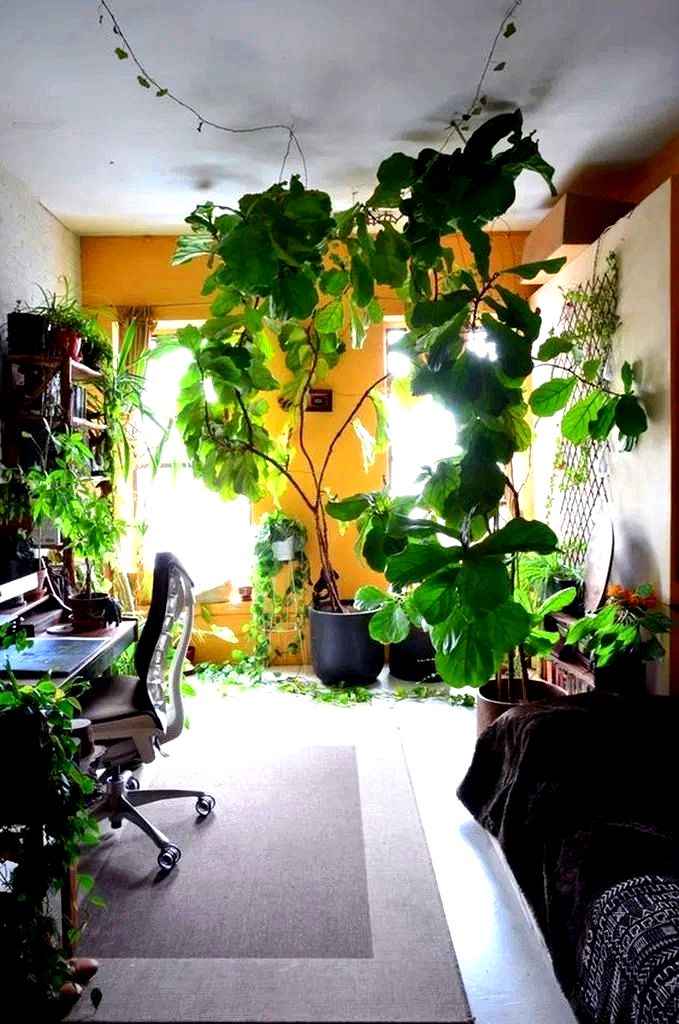
7. Results enforcement: Make sure you enjoy the fruits of your labor and enjoy the vegetables from your apartment vegetable garden.