





1. Organizing Kitchen Cabinets
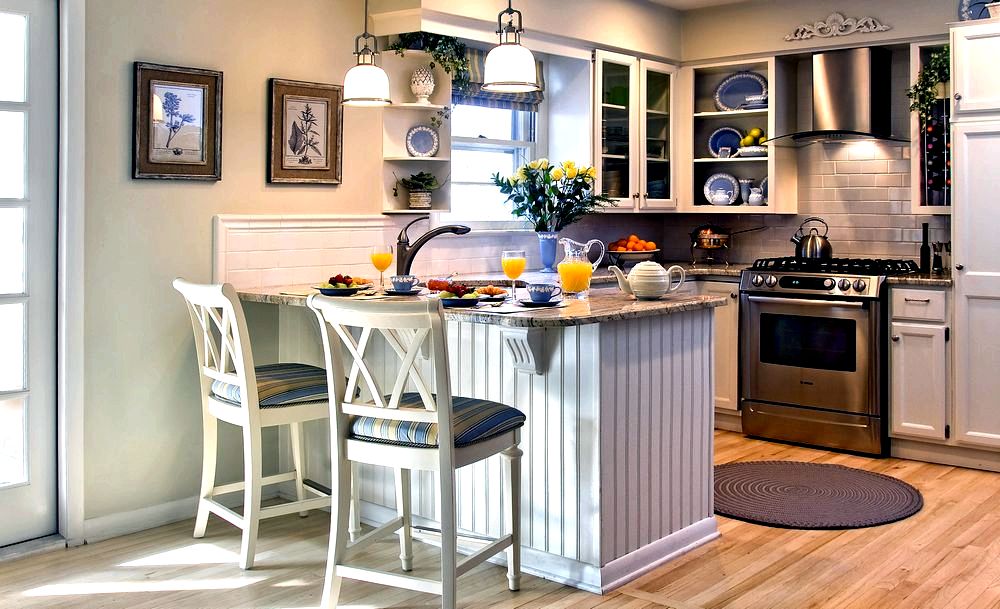
Organizing kitchen cabinets is an important part of creating a comfortable and functional workspace in the kitchen. When kitchen cabinets are organized properly, it can save time and effort when cooking and preparing food. To organize kitchen cabinets in the best way possible, it is advisable to start by sorting utensils and cookware by type and usage.
In addition, it is important to focus on the stability of the cabinets and ensure they are installed correctly and in a way that allows easy and convenient access to all utensils. Pull-out shelves and open shelves can be used to create a space that allows efficient storage and quick access to kitchen equipment.
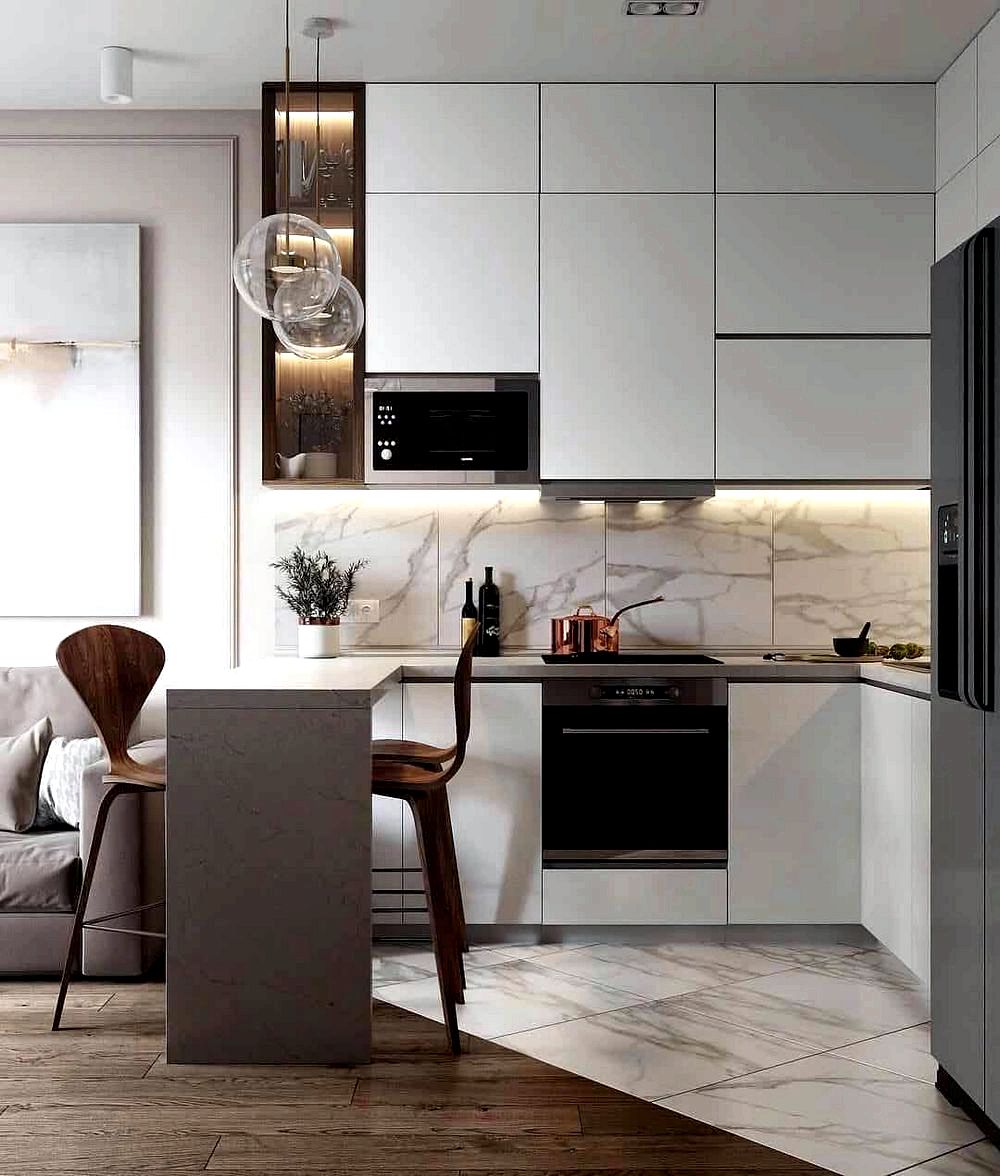
After the utensils are arranged in the cabinets, it is advisable to set aside time to clean and organize regularly to maintain order and cleanliness in the kitchen. Additionally, using storage bags and three-dimensional shelves can help streamline the storage process and make the space more organized and functional.
2. Guides for Organizing Kitchen Shelves
In the kitchen, shelves are one of the most important and significant elements in the organization process. Not only do they store kitchen tools and utensils, but they also contribute to the aesthetics and functionality of the kitchen. When it comes to organizing kitchen shelves, it is important to consider several key points that help improve organization and create a practical and beautiful space.
One of the most important ways to organize shelves in the kitchen is to use different compartments. Open shelves can be used to store common and clear utensils, while shelves with doors can store less common items or items you do not want to be visible. Additionally, using additions like baskets or utensil holders can help organize shelves efficiently and systematically.
Another important way to organize kitchen shelves is to use labels and transparent walls. Labels on the shelves will help you know exactly where the items you are looking for are located, and transparent walls will allow you to see the contents of the shelves from a distance. Additionally, using a colorful or geographical order to capture the aesthetic look of the kitchen.
Ultimately, when organizing kitchen shelves, it is essential to remember that the main goal is to create a comfortable, functional, and beautiful space. You need to consider your needs and budget to achieve the desired result. In the end, organizing kitchen shelves is a creative process where challenges can be faced to create an invested and beautiful space.
Tips for Organizing Cooking and Baking Utensils
1. Creating order in drawers: To maintain order and easily find the necessary utensils, consider using dividers or utensil racks to group and organize pots, pans, and knives in a drawer.
2. Proper hanging: To save space and efficiently store cooking and baking utensils, use hanging racks, stands, or utensil holders to hang pots, pans, and other utensils in the kitchen.
3. Proper storage of fruits and vegetables: To extend the shelf life of fruits and vegetables, use bowls or low shelf drawers to place the fruits and vegetables and prevent bruising and damage.
4. Organizing Boxes and Jars in the Kitchen
One of the most fascinating tasks in organizing the kitchen is to arrange all the boxes and jars efficiently and systematically. Here are some tips to help you maintain order and organization in your kitchen:
The most important items should be placed in the classic kitchen spot
David Barak – Interior Designer
1. Use stacked boxes and jars to save space and maintain efficiency in organization.
2. Use labels and signs to mark the contents of boxes and jars clearly and record the different ingredients.
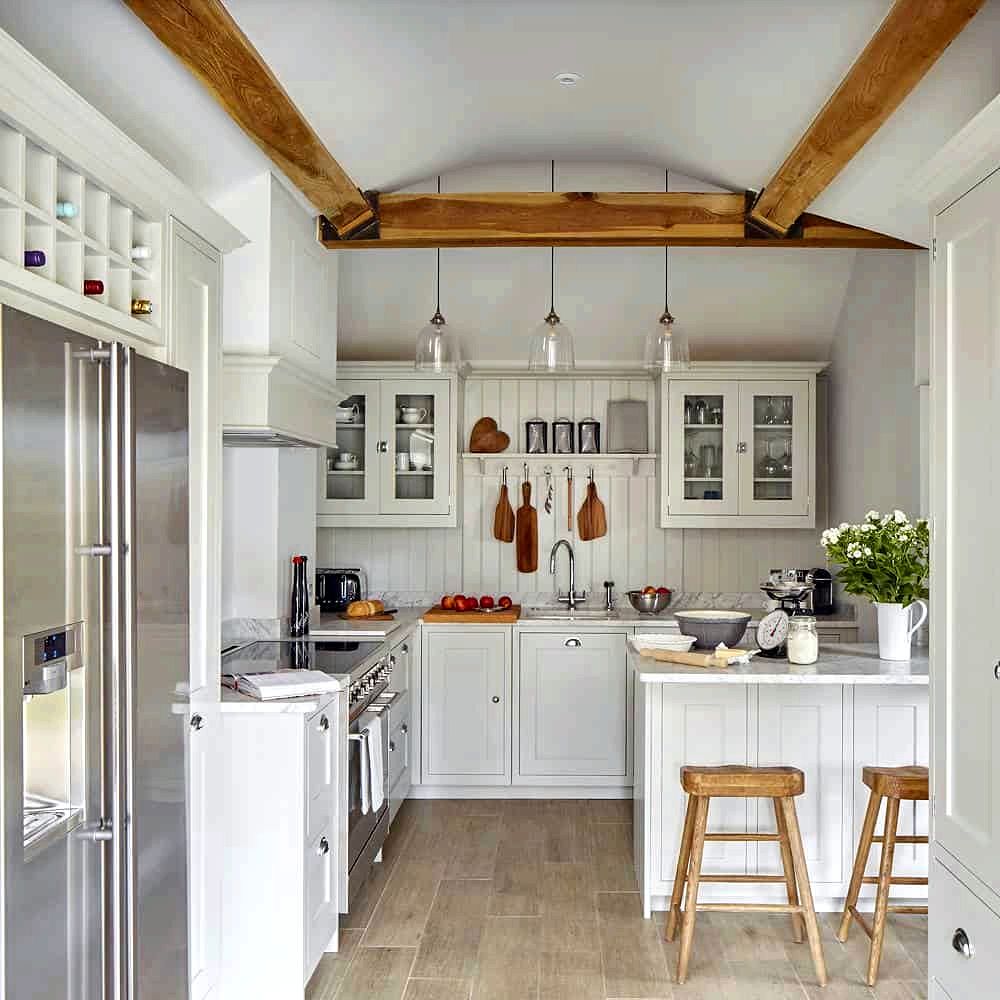
3. Plan ahead and allocate a specific place for each type of box and jar, which will help you organize the kitchen efficiently and practically.
4. Remember to check the expiration date of the products in the boxes and jars and organize the stock accordingly, maintaining order and efficiency in the kitchen.
5. Try to use boxes and jars with sealed and storage lids to extend the life of the products and preserve their freshness.
6. Always remember to maintain order and cleanliness in the kitchen cabinet to keep boxes and jars in good and clean condition.
5. How to Organize the Workspace in the Kitchen
Organizing the workspace in the kitchen is crucial to maintaining order and maximizing the space. When the workspace is organized, it makes meal preparation easier and reduces the time it takes to prepare a meal. Here are some simple tips for organizing your workspace in the kitchen:
1. Divide the space: Separate work areas according to their roles to reduce clutter and improve workspace stability.
2. Keep it clean: Clean the workspace surfaces and maintain general cleanliness to make it convenient and easy to work in this space.
A small trick like using hidden compartments can create amazing order
Maya Cohen – Professional Organizer
3. Use boxes and shelves: Use boxes and shelves for storing utensils and materials, so you can maintain order and save space.
4. Separate disposable utensils from permanent ones: Separate disposable utensils from permanent utensils to maintain order and reduce clutter in the workspace.
5. Menu and design: Allocate time to plan the menu and design the workspace, so you can upgrade the look and make the kitchen a efficient and pleasant workspace.
6. Techniques for Organizing Utensils and Tableware in the Kitchen
1. Use three-dimensional storage systems for your utensils and tableware. This will allow you to place items in an organized manner that improves accessibility.
2. Use suitable drawers for your different types of utensils, so you can organize the items in a way that keeps your kitchen clean and organized.
3. Consult with an interior designer or organizer to build a unique and personalized storage system for your kitchen.
4. Use organizational folders and trays to organize and group your small tools and accessories in a systematic way.
5. Use open containers and attached bags to organize and store small items and eating products in your kitchen.
6. Arrange your utensils and tableware according to different guidelines such as color, size, and usage, so you can easily find and access them.
Proper organization can save a lot of time and reduce anxiety
Ariel Cohen – Home Organization Guide
7. How to Maintain Order and Cleanliness in the Kitchen
To maintain order and cleanliness in the kitchen, there are several tricks that can help you:
1. Start in the morning with light cleaning: When preparing breakfast or drinks, try to clean the utensils immediately so that it will be easier for you to clean the kitchen at the end of the day.
2. Don’t linger in the kitchen: Try not to stay in the kitchen too long after each meal and finish cleaning quickly.
3. Establish an efficient system: Try to establish a system of cabinets and shelves that will help you organize the utensils and tools in the kitchen efficiently.
4. Clean once a week: Try to allocate regular time each week for deep cleaning of the kitchen so you can maintain order and cleanliness.
5. Use organizational products: To maintain order in the kitchen, try to use files, shelves, and baskets that will help you organize the utensils in an orderly manner.
6. Clean the walls and floor occasionally: Deep cleaning every once in a while will help maintain order and cleanliness in the kitchen and prevent clutter and contamination.
7. Update regularly: Try to update and upgrade your kitchen organization from time to time to maintain order and cleanliness in the future.