


1. Definition of Minimalism in Interior Design
Minimalism in interior design is an approach that focuses on simplicity, cleanliness, and decluttering. In interior design, minimalism refers to the use of noise-free colors, straight and simple lines, natural materials, and excellent functionality.
The central principle of minimalism in interior design is “less is more.” In minimalism, there is a constant effort to make the design simple and concise, without compromising on aesthetics and comfort levels. The use of natural materials such as wood, glass, and metals adds to the feeling of cleanliness and the open atmosphere in minimalist design.
In minimalist interior design, great importance is given to small details and the ability to invest in functional and aesthetic items simultaneously. This way, a sense of unity in the design of the space can be created, and items can be placed precisely in the right place and in the most suitable way to create the desired sense of space and comfort.
2. Advantages of Minimalist Interior Design
Minimalist interior design offers many benefits that affect the quality of life and the aesthetics of the interior space. When an interior is designed in a minimalist style, it provides a simple and clean living experience, leading to a sense of peace and tranquility.
The minimalist look promotes order and organization in the space, making it easier to navigate and use on a daily basis. This is a huge advantage in interior design, allowing one to avoid cluttered and overloaded spaces filled with furniture and accessories.
The clean and simple look of minimalist design gives a sense of spaciousness and calmness in the space. Rooms appear larger and more comfortable, improving the quality of life and providing a sense of openness and relaxation.
Additionally, minimalist design encourages the use of natural and quality materials, promoting cleanliness and order in the space. This leads to a healthy and pleasant environment, promoting low consumption and an eco-friendly atmosphere.
No need for lots of things to create a perfect interior design
Maria Kondo – Fashion designer
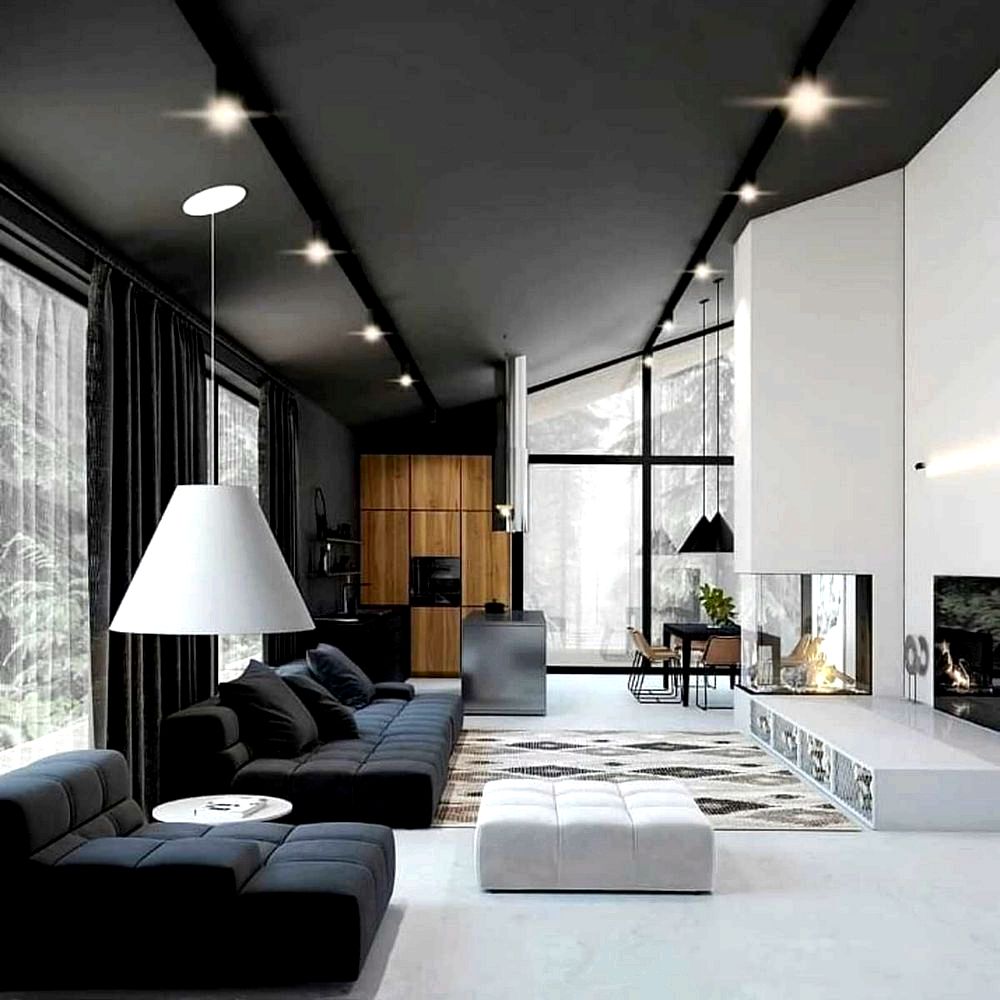
In summary, minimalist interior design offers many benefits that influence the quality of life and the aesthetics of the interior space. A simple and clean look, organization and order in the space, a sense of calmness and comfort, and the promotion of the use of natural and quality materials are just some of the advantages that minimalist design offers in interior design.
3. Colors and Materials in Minimalist Interior Design
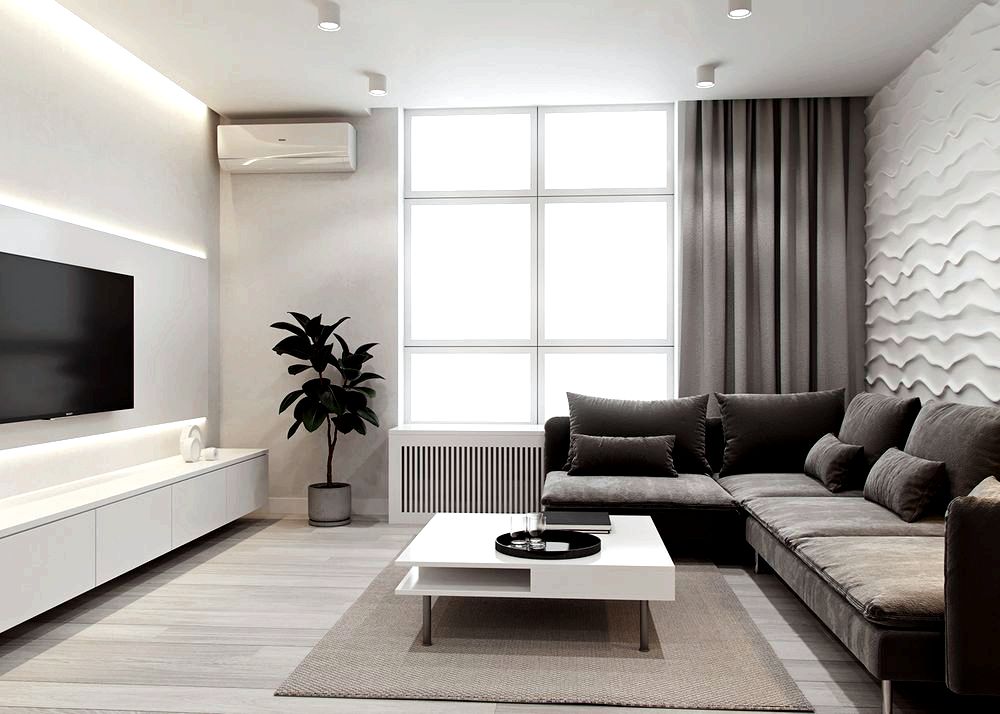
The use of neutral and light colors is an integral part of minimalist interior design. Colors like white, gray, and beige blend beautifully together, creating a clean and calming atmosphere. Choosing minimalist colors allows focusing on key items and letting them lead the design.
When it comes to materials, minimalist interior design prefers natural and simple materials. Wood, metal, glass, and fabric are examples of materials that blend perfectly in minimalist design. It is important to note that materials should be of high quality and up-to-date to create a clean and modern look in the space.
In short, in choosing the right colors and materials in minimalist interior design, it is important to maintain simplicity, cleanliness, and modern aesthetics. This is the key to creating a light, impressive, and visually pleasing interior space.
4. Space Lighting in Minimalist Interior Design
Lighting in minimalist interior design serves as an essential tool for creating a clean, impressive, and calming atmosphere. In minimalist design, lighting is done aesthetically and precisely to convey the feeling of simplicity and cleanliness.
In minimalist interior spaces, point lighting is often used in the form of LED bulbs or concealed LED panel lighting. LED lighting allows for creating special lighting effects and gives the space a modern and elegant look.
The use of space lighting in minimalist design also includes ambient lighting, which is intended to create a calm and pleasant atmosphere in the space. Ambient lighting is used to create soft and subtle lighting that blends perfectly with the colors of the walls and furniture in the space.
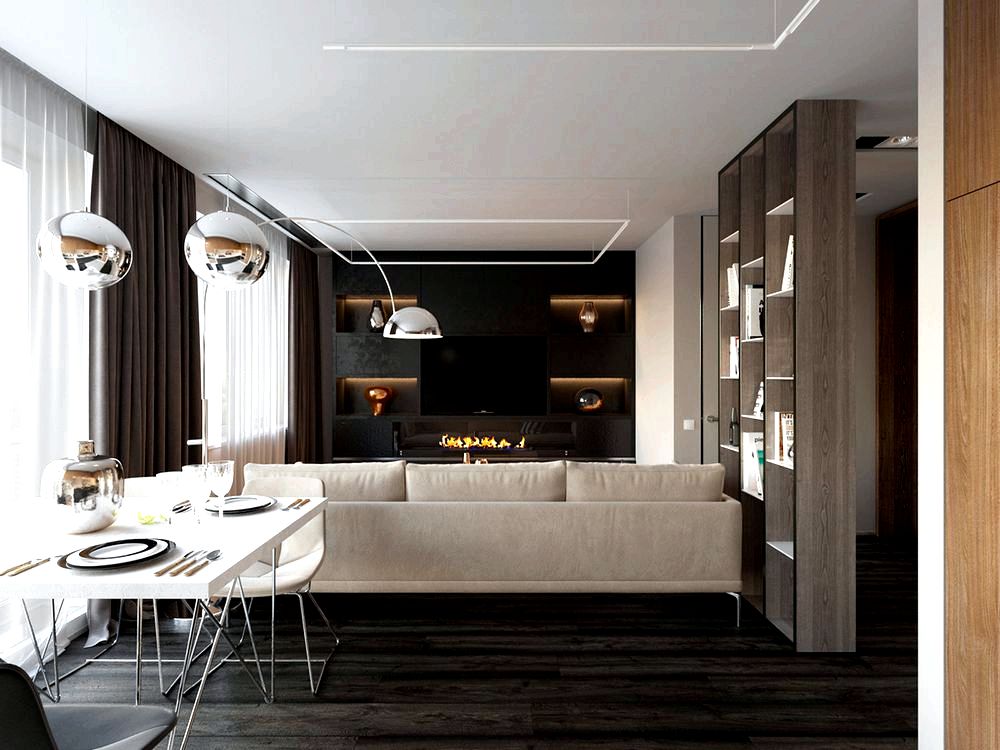
In minimalist interior design, it is important to consider the amount of light needed in each space and to choose lighting that suits the users’ needs. Light plays an important role in creating the atmosphere and comfort moments in the space.
5. Furniture and Accessories for Minimalist Interior Design
In minimalist interior design, it is important to choose simple and clean furniture with straight lines and neutral colors. Metal furniture such as coffee tables and minimalist lamps add a modern and impressive touch to the space.
Minimalism is a way to create peace and order in our environment.
Mary Kondo – Home organization expert
Decorative accessories in minimalist design such as pillows with neutral colors, simple framed pictures, and decorative items in neutral tones add a clean and sophisticated background to the interior space.
Choosing functional furniture with hidden storage helps maintain order and cleanliness in the space. Beds with simple frames and clean design wardrobes are a perfect addition to the minimalist bedroom space.
Choosing simple and clean work furniture with a clean and organized workspace will help maintain order and improve work productivity in the workspace.
The less clutter in a space, the more organized and beautiful it looks.
Charlotte Franklin – Interior designer
6. Minimalist Design Techniques for Small Spaces
Minimalist design is a design style that focuses on simplicity, cleanliness, and sharp lines. In small spaces, minimalist design can help create a spacious and pleasant look. Here are some minimalist design techniques that can be applied to small spaces:
1. Light colors: Using light colors can add a summer breeze and cleanliness to the space. Colors like white, cream, and gray give a modern and spacious look.
2. Simple furniture: In small spaces, it is advisable to use simple and clean furniture. Choosing furniture with straight lines and minimalist designs can create a neat and pleasant look.
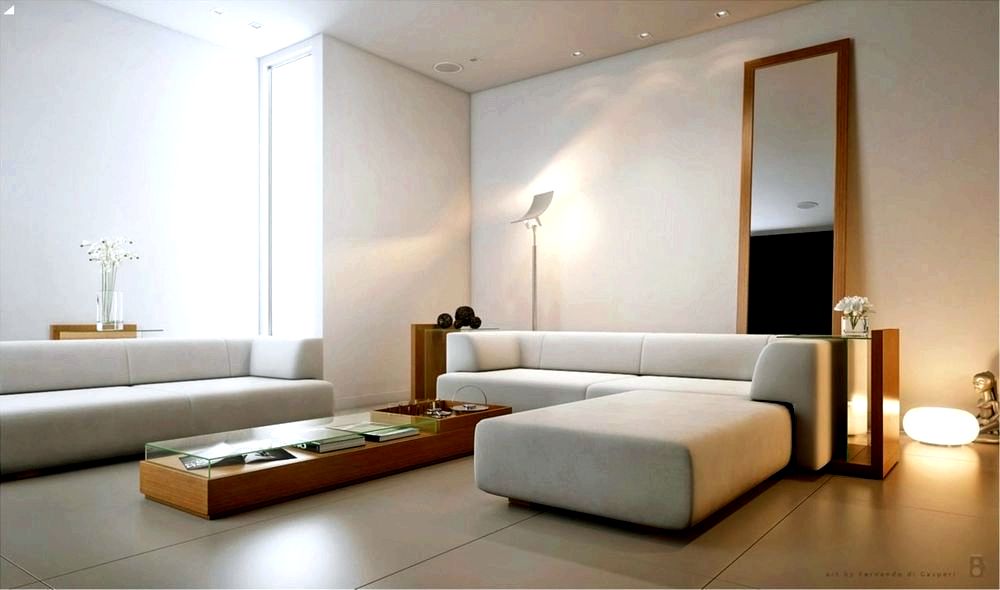
3. Natural light: Natural light enhances the feeling of spaciousness and volume in the space. Large windows and natural light bring an open and bright atmosphere to the space.
4. Smart storage: In small spaces, it is important to use smart storage to maintain the minimalist look. Cabinets with folding doors, hanging shelves, and concealed folders can be great solutions.
5. Plants and green walls: Adding green plants can bring freshness and vitality to the space. Green walls or small potted plants on shelves can add color and warmth.
6. Minimalist items: To maintain a sense of minimalism, it is advisable to choose minimalist items and avoid cluttering shelves or tables with unnecessary items. This way, the space remains clean and organized.
7. How to Implement Minimalism in Your Interior Design
When it comes to interior design in a minimalist style, it is important to distance yourself from the noise and clutter that can exist in your interior environment. Here are some simple tips that will help you implement minimalism in your interior design:
- Choose neutral and solid colors for your walls and furniture.
- Use functional and simple equipment and stay away from furniture with unnecessary details.
- Reduce the amount of accessories and decorations in the space and keep only the essential.
- Emphasize natural and quality materials for your furniture and accessories.
- Use natural light as much as possible and reduce the use of electric lighting.
- Maintain order and cleanliness in the space and do not allow items to be cluttered or confused.
- Use mirrors and smart storage solutions to maintain a sense of cleanliness and order.
By implementing these tips and choosing the right items, you can create a minimalist interior space that will enhance your quality of life and improve the look of your home.