


1. The Impact of Automation on Interior Design
Automation in interior design profoundly affects work processes and the final product. According to research, using automatic technologies can reduce work time, improve accuracy, and increase efficiency. In addition, automation allows for the creation of more advanced designs at more competitive prices.
With the help of automatic software and tools, many processes can be carried out quickly and efficiently. For example, software can create floor plans and display them graphically, calculate material quantities, or edit a lighting plan automatically. All this ensures faster and more accurate work.
Furthermore, automation allows interior design to be more creative and focus on more interesting tasks, such as thinking about unique and innovative solutions. This helps create more impressive and striking designs.
In summary, the impact of automation on interior design is significant, ensuring more efficient, faster, and more precise work. With the use of advanced technologies, stunning designs can be created at competitive prices and presented in a professional and impressive manner.
2. Tools and Techniques of Automation in Interior Design
Automation in interior design is a process that uses advanced tools and techniques to create automatic processes that facilitate work. In order to achieve perfect results in interior design, it is important to use tools and techniques that will help you save time and effort and ensure impressive results.
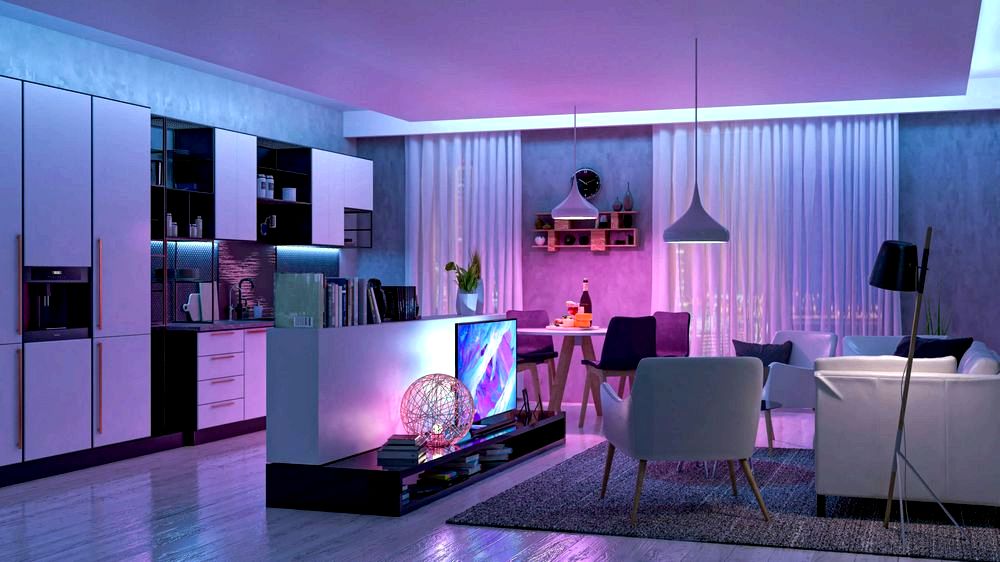
One of the central tools in automation in interior design is graphic design software such as AutoCAD or SketchUp. This software allows designers to create precise and stunning plans and diagrams, easily sharing them with clients and partners.
Another important tool in automation in interior design is project management software such as Trello or Asana. This tool allows you to integrate all the tasks, schedules, and resources in the project in a focused and efficient manner.
Technology allows us to focus on creating fascinating and unique interiors
Amit Golan – Interior Designer
Additionally, techniques like parametrization and process optimization can improve the work process in interior design and make it easier for designers to enhance their results.
With tools and techniques of automation in interior design, efficient and quick processes can be created that will improve the quality of work and allow you to achieve impressive results efficiently and effectively.
Automation enables us to turn every space into unique and personalized
Shira Cohen – Interior Designer
3. Advantages and Disadvantages of Using Automation in Interior Design
Advantages:
– Time and resource savings
– Ability to create precise and sophisticated designs
– Reducing errors and mistakes in the design process
– Ability to integrate advanced and innovative technology
– Increasing production and consulting capabilities quickly and efficiently
Disadvantages.
– Loss of personal and unique aspects in design
– Dependence on complex systems and technology prone to malfunctions
– Concern about job loss for designers and industry experts
– Challenges in adapting technology to client and project needs
– Lack of flexibility and ability to cope with changes and adjustments in the design process
4. Examples of Projects Utilizing Automation in Interior Design
When it comes to automation in interior design, many have already used this technology and created impressive projects. Here are some examples of projects where automation in interior design is used:
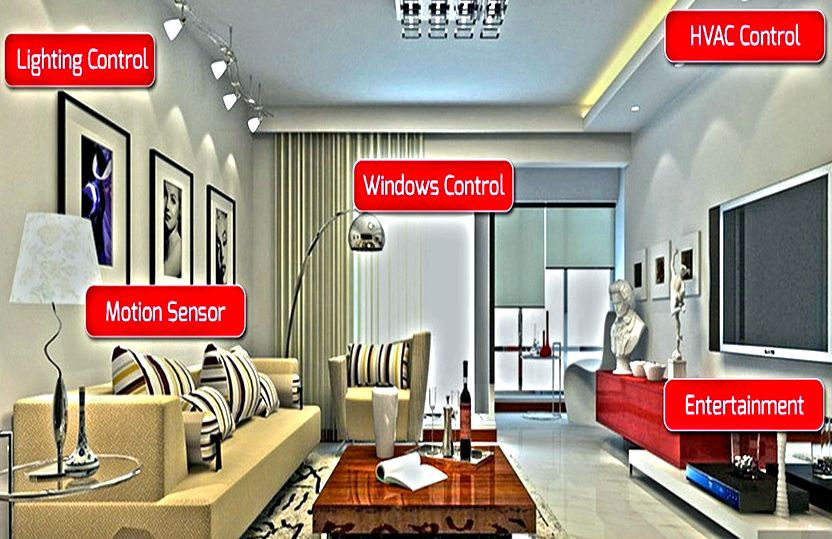
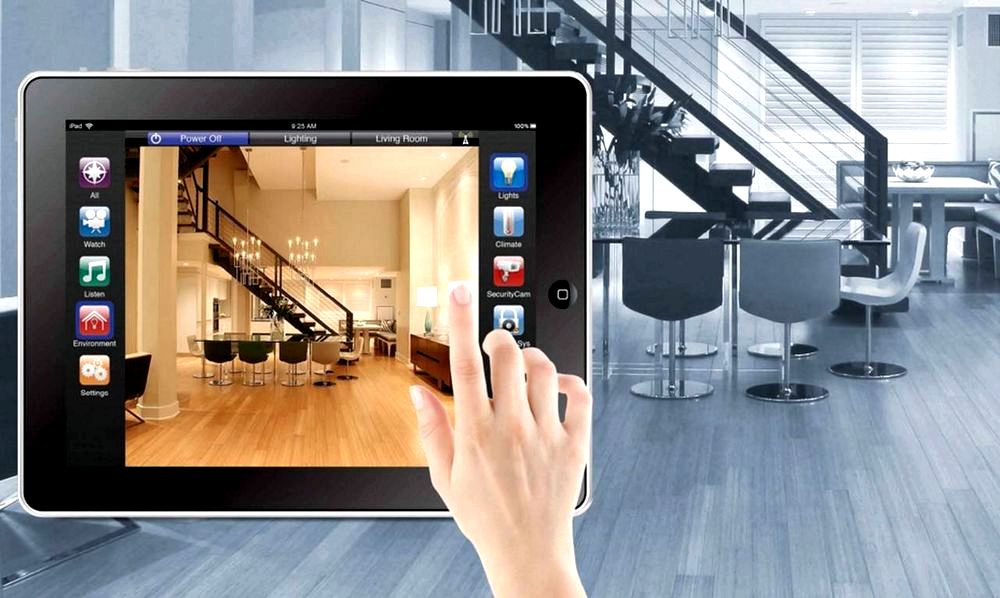
1. Smart Home: A project where automation in interior design was invested to control home lighting, multiple air systems, and security systems. This technology allows homeowners to control all aspects of the home from a single mobile device.
2. Modern Office: In office designs that integrate automation, it is possible to control lighting systems, heating and cooling systems, and audio and video systems remotely and intelligently. This allows employees to focus on their work much more efficiently.
3. Advanced Restaurant: In a restaurant using automation in interior design, it is possible to control lighting and music systems automatically according to the restaurant’s status and the number of customers. This creates a perfect and impressive atmosphere for customers.
5. Implementing Automation in Interior Design Efficiently and Stably
To implement automation in interior design efficiently and stably, there are several important steps you need to know. Here are some tips to help you achieve impressive results:
1. **Choosing suitable interior design software**: To implement automation in interior design, you need to choose software that supports various formats and offers tools for efficient work.
2. **Preparing a 3D model**: When starting to work on interior design using automation, it is important to prepare a 3D model that will help you see the final result clearly.
3. **Using innovative technologies**: To achieve the best result, it is advisable to use advanced technologies such as virtual and augmented reality to see the design in real-time.
4. **Conducting tests and experiments**: To ensure that automation works as expected, it is important to conduct tests and experiments at different stages of work.
5. **Maintaining documents and standards**: To ensure that the project is stable and efficient, it is important to maintain existing documents and standards that will help you maintain consistency and stability in work.
By knowing and implementing these tips, you will be able to implement automation in interior design efficiently and stably and achieve impressive results.
6. The Future of Automation in Interior Design
Technology is advancing rapidly and changing the way we live and work. One of the rapidly developing technologies in the field of design is automation. Automation in interior design is a process that uses technology to assist in creating designs and plans more efficiently and quickly.
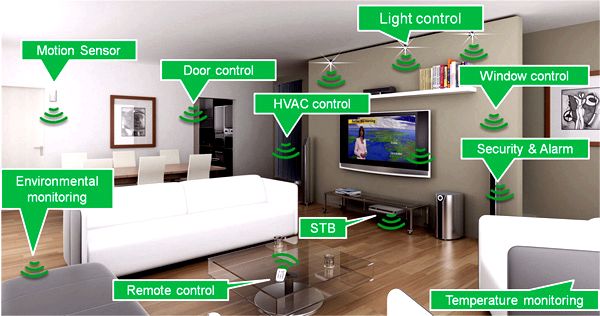
With innovative technological tools and advanced software, it is possible to streamline the design process and save a lot of time by automating certain actions. Thus, the design becomes more efficient and based on smart data and algorithms.
The automatic process may continue to develop and expand in the future, as new and advanced technologies are applied in this field. We can expect a wider use of artificial intelligence and machine learning in the design and planning process, enabling the creation of futuristic and advanced designs quickly and efficiently.
Technology allows us to improve the design process and save a lot of time
Nathanel Gold – Project Manager