





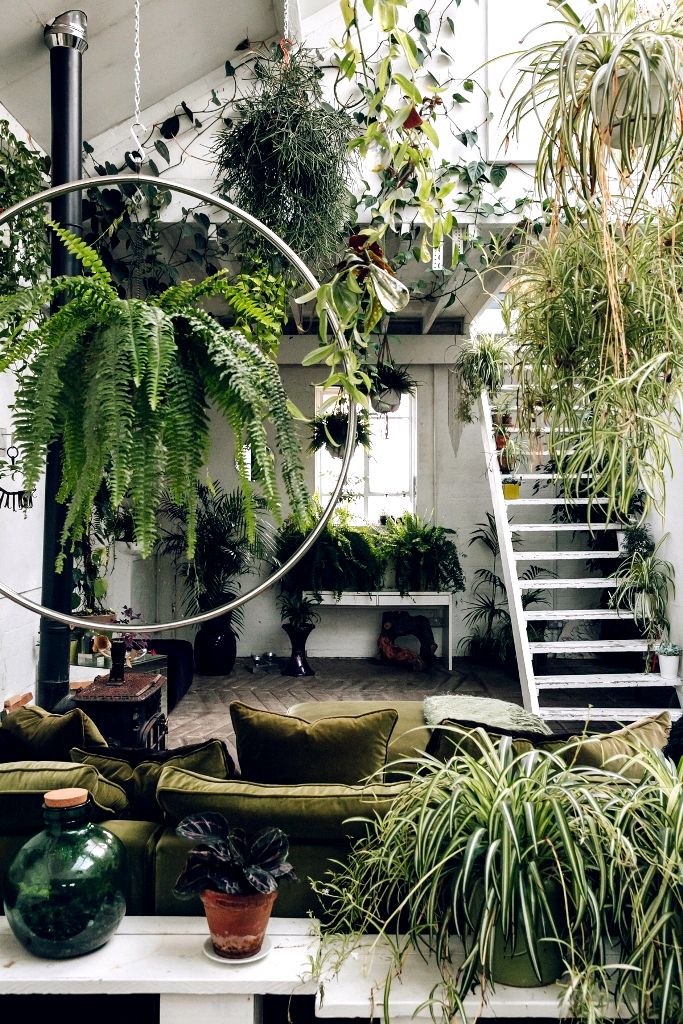
1. Indoor Plants
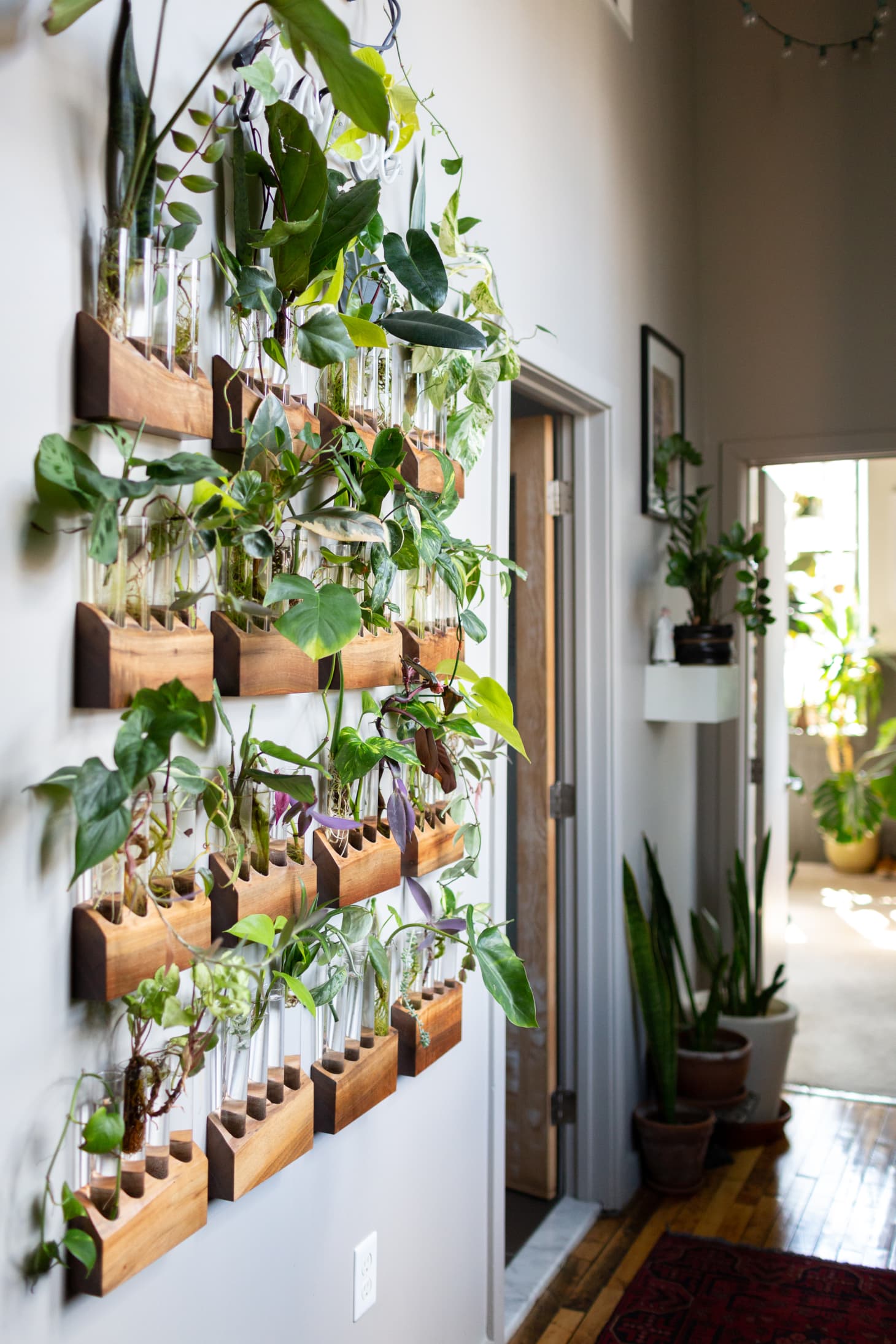
Indoor plants are not only decorative, but also improve the air quality at home. Plants help to reduce stress and add tranquility to the environment. Additionally, indoor plants have the ability to provide warmth and liveliness to any space they are placed in.
One of the popular plants is the ZZ plant. This plant excels in its ability to survive in tough conditions and low light. Moreover, the ZZ plant adds a natural and fresh look to the space.
The Snake Plant is another plant that is very suitable for indoor gardening. This plant is ideal for rooms with little sunlight and helps in air purification.
The Eucalyptus plant is another plant that aids in air purification and improves its quality. Additionally, this plant emits a natural and refreshing scent that enhances the calmness in a space.
Indoor plants are not only decorative, but also improve the air quality at home and add tranquility to the environment. Each of the mentioned plants is an excellent choice to add freshness and warmth to any space at home.
Furniture and Accessories Made from Recycled Products
Using furniture and accessories made from recycled products is a great way to create green design in your home. Furniture made from recycled products helps reduce the impact of the industry on the environment and transforms your home into a natural and green environment.
Choosing furniture made from recycled products may include refurbished old furniture, second-hand furniture rented from specialty stores, or furniture designed in an eco-friendly manner using recycled materials.
There is nothing more calming than a green view inside the home.
Dana Rosenthal – Interior Designer
Alongside furniture, you can also find green accessories made from recycled products such as pictures, rugs, lighting, and toys. Choosing these accessories is an effective way to add color and character to the home space and create a natural and refreshing atmosphere.
So if you want to create a green and ecological design in your home, use furniture and accessories made from recycled products and turn your space into a cozy and original place.
3. Green Lighting
Green lighting is a fantastic option to ensure a pleasant atmosphere and energy savings at home. Green lighting can be achieved by using LED bulbs, which provide high-quality light and consume less electricity than regular bulbs. Additionally, using sensor technology can adjust the lighting when there is no one in the room, thus saving energy.
Another option for green lighting is using large windows and solar panels, which allow natural light to enter the space and reduce the need for electric lighting during the day. An additional benefit is that natural lighting can improve the mood and health of the home’s residents.
In conclusion, green lighting is an excellent way to create a pleasant atmosphere and save energy at home. We should consider the various options of green lighting and implement them in our home design.
4. Natural Wall Colors
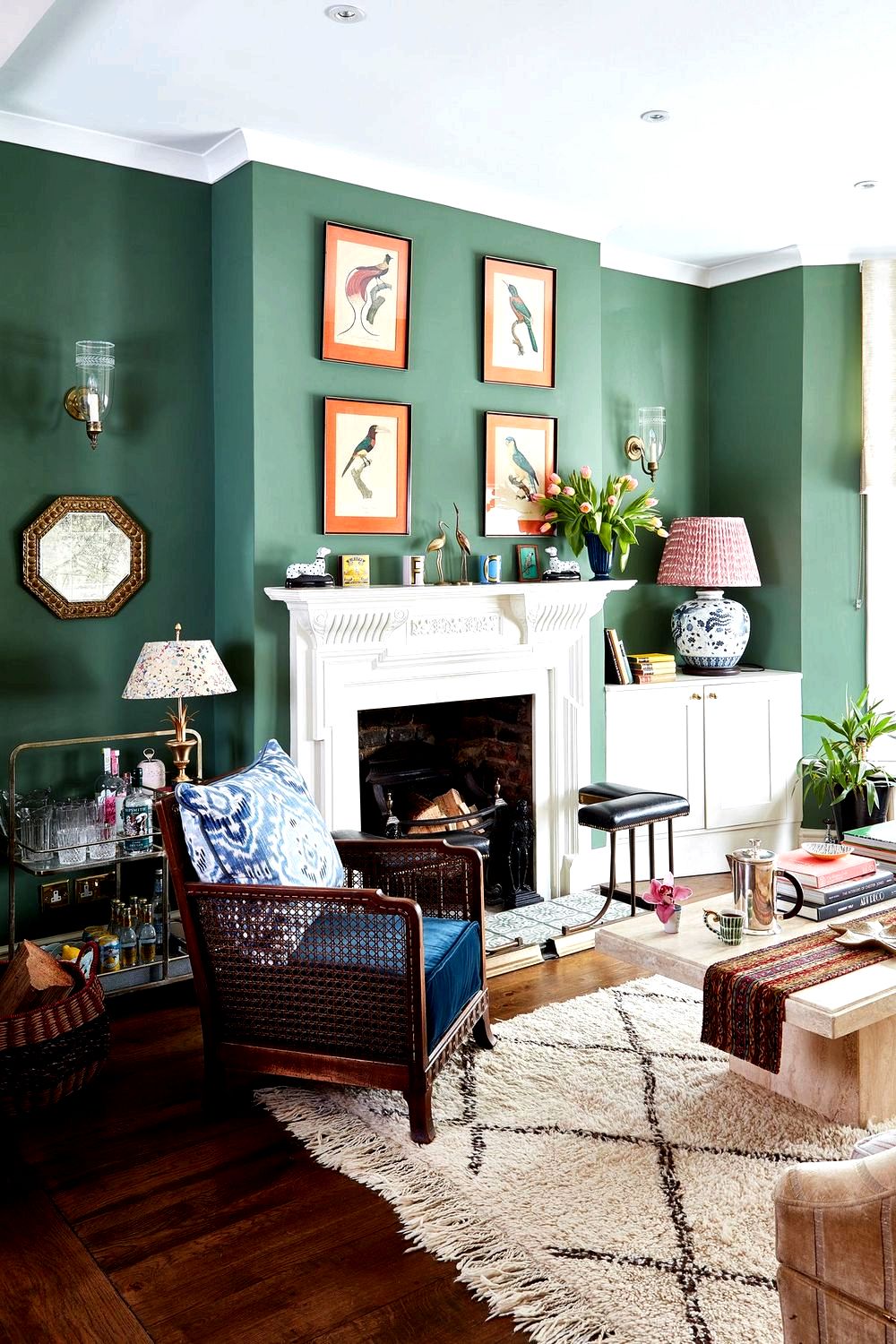
Natural wall colors help create a calm and soothing atmosphere in the home space. Colors like light green, natural brown, or burgundy can give the space a sense of closeness to nature and balance.
Choosing natural wall colors also includes the option of using special paint colors that hold organic and non-toxic components. These colors help maintain the air quality in the space and assist in creating a healthy and environmentally friendly environment.
Plants are the perfect dongle for green design indoors.
Orit Cohen – Interior Designer
Choosing natural wall colors has many advantages and they are suitable for every space in the home – from the entrance, living room, bedroom, and even children’s room. Thus, you can create a unique and special atmosphere in every space at home using natural wall colors.
5. Furniture Made from Reclaimed Wood
Furniture made from reclaimed wood is an excellent choice for those looking to give their home a green touch and promote the environment. The use of reclaimed wood reduces the need for new wood cutting and promotes the reuse of existing materials.
Choosing furniture made from reclaimed wood helps reduce environmental impact and promotes saving natural resources. This furniture is made from quality and durable materials that will serve you for a long time.
Additionally, furniture made from reclaimed wood provides a unique and natural look to the home, suitable for a variety of design styles. You can find furniture in different designs and easily match them to your home environment.
Choosing furniture made from reclaimed wood is a growing trend and it is a simple and efficient way to contribute to environmental protection and reduce the impact on our natural environment.
6. Green Water and Heating
Green heating is an excellent way to save energy and reduce environmental pollution. To implement green heating at home, you can use electric or natural gas heating systems that operate more efficiently and reduce environmental waste. Green heating systems can reduce energy consumption by using renewable energy sources such as solar and thermal.
In addition, using water-saving equipment can reduce water waste and save costs. For example, installing water heating effect devices in a more economical way can reduce water consumption in showers and washing machines. Also, choose water-saving products such as faucets, water-saving showerheads, and dishwasher rinses.
In conclusion, it is important to pay attention to the water quality at home and invest in a green water filtration system. A green water filtration system will ensure that the water in your home is clean and healthy for use, and additionally reduce water waste and increase water savings at home.
7. Green Maintenance at Home
Maintaining plants and flowers at home is an important part of the green environment. To keep the plants at home in good condition, it is important to implement several basic principles:
1. Leaf cleaning – to remove dust and enhance the plant’s ability to circulate air better, it is important to clean the plant’s leaves regularly.
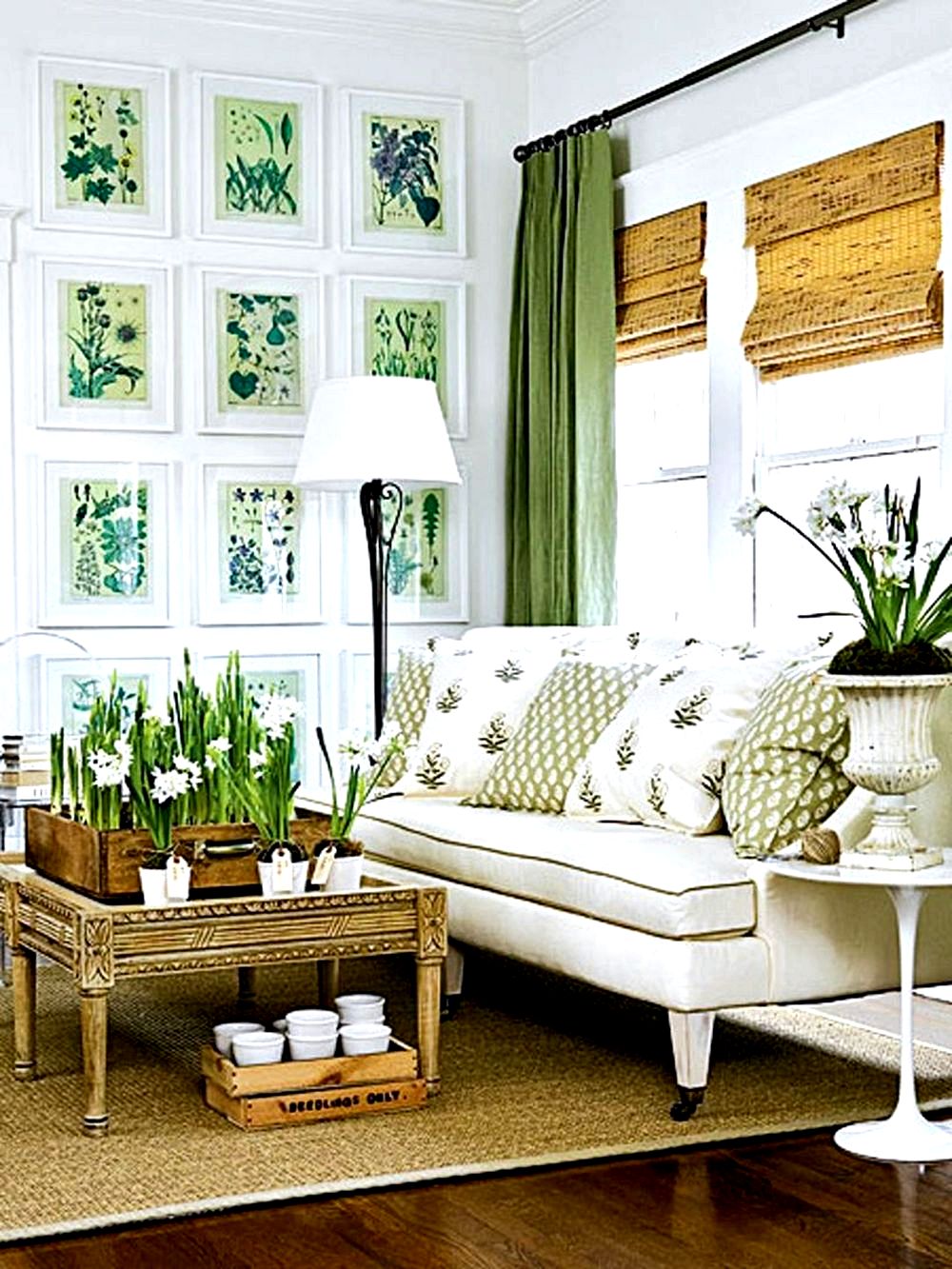
Green items in the home provide a sense of closeness to nature.
Naomi Levi – Interior Designer
2. Watering – to keep the plants healthy, it is important to water them properly. Each plant requires a different amount of water, so it is important to understand the watering needs of each plant specifically.
3. Lighting – it is important to ensure that the plants receive sufficient natural light. Some plants require direct sunlight, while others can thrive even in less direct light.
4. Care – regular care like pruning dry branches, watering plants while they bathe in water, and more, is important.
5. Soil renewal – it is important to replace the soil periodically to give the plants a good feeling and reduce the risk of fungal diseases.
6. Protection from pests – it is important to protect the plants from insect pests and various microorganisms that can harm them.
7. Love and patience – the most important role is to love and be patient with the plants at home. When they feel the love and kindness from us, they provide positive flow and add color and energy to the environment.