





1. History of Textile and Curtain Industry in Interior Design
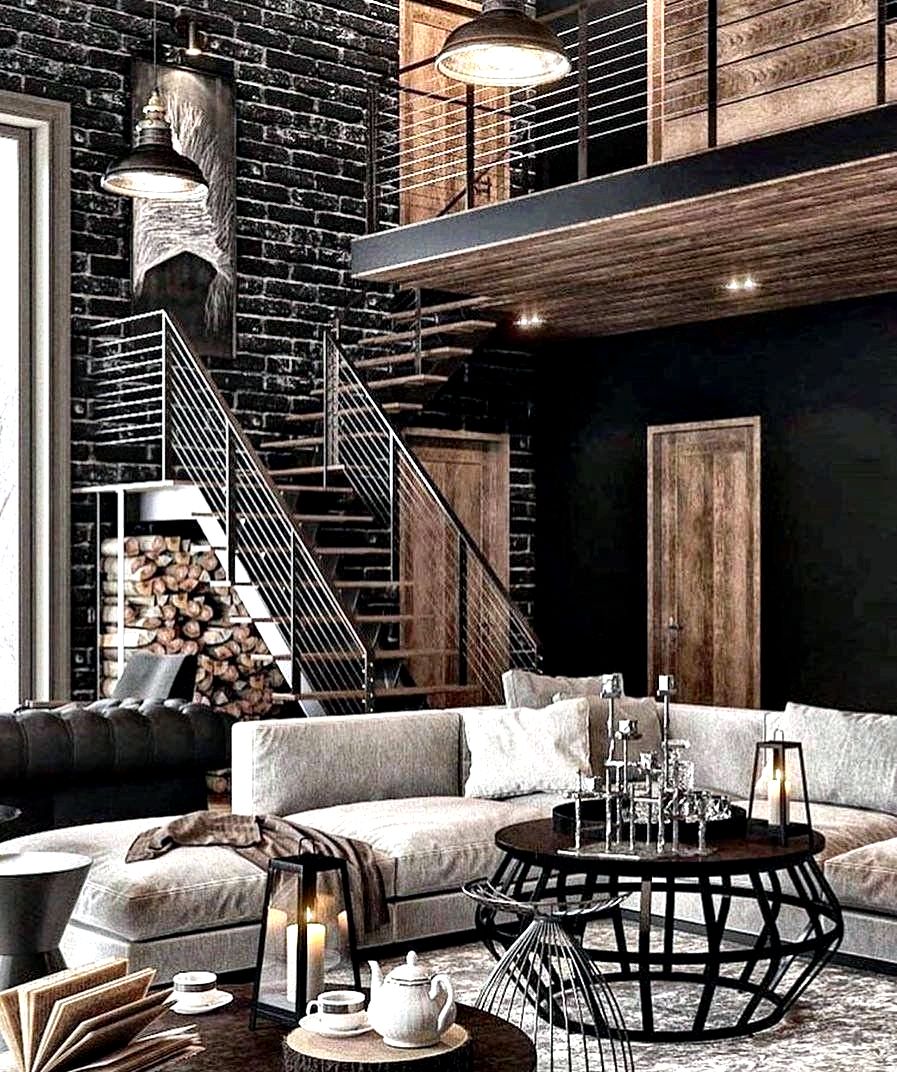
The textile and curtain industry in the field of interior design contribute to home design and creating a pleasant atmosphere tailored to the residents’ needs. The history of this branch begins in ancient times, when even in the days of the Ottomans and Romans, textiles were used for wrapping and hospitality. The skill in producing fabrics and curtains has evolved from generation to generation, incorporating advanced techniques and contemporary designs.
In modern times, with the advancement of technology and progress in materials, the textile and curtain industry has undergone many changes. The import of new equipment and advanced technologies helped develop new materials and create modern and unique designs. Today, textile and curtain designs combine handwork with mass production using advanced tools.
The textile and curtain industry in interior design also serves as a center of innovation and creativity. Innovative designs are constantly being created, and designers use new materials and advanced techniques to produce modern artistic creations. In addition, personalized color choices and innovative shapes allow for creating a unique and stunning atmosphere in any interior space.
In conclusion, this branch plays an important role in the interior design industry, serving as a source of innovations and stunning designs that influence the way we live and experience the environment around us.
Leading Techniques and Materials in Textile and Curtain Design and Production
In the interior design and textile industry, it is crucial to use advanced techniques and materials to create quality and unique products. One of the key techniques in curtain and textile production is digital printing. This method allows for creating original and designed patterns using computers and advanced software.
Leading materials in curtain and textile production are mainly natural and synthetic fabrics. Natural fabrics such as cotton, silk, and linen are made from plants and come with quality properties that are pleasant to the skin. In contrast, synthetic fabrics such as nylon, polyester, and acrylic are made from chemical materials and come in a variety of modern colors and designs.
Another leading technique in curtain production is hand knitting. Using wool or other threads, unique furniture and textiles can be created with personalized designs tailored to the customer. Hand knitting adds extra value and aesthetic appeal to the product.
It is important to note that these techniques and materials are just part of the complex process of manufacturing curtains and textiles in interior design. To create quality and unique products, it is important to invest in research and development and stay updated on new technologies in the field.
Modern Trends in Interior Design Related to Curtains and Textiles
In the modern era, interior design and home decor are constantly undergoing changes and renewals. Every year, new trends are published that influence the design world in every field, including industrial curtains and textiles. In this article, we examine some of the most modern trends in interior design related to this field.
One of the key trends in interior design in recent years is the use of soft and neutral colors. Colors like white, gray, and beige add calmness and cleanliness to the space and are perfect for curtains and textiles with simple and clean patterns.
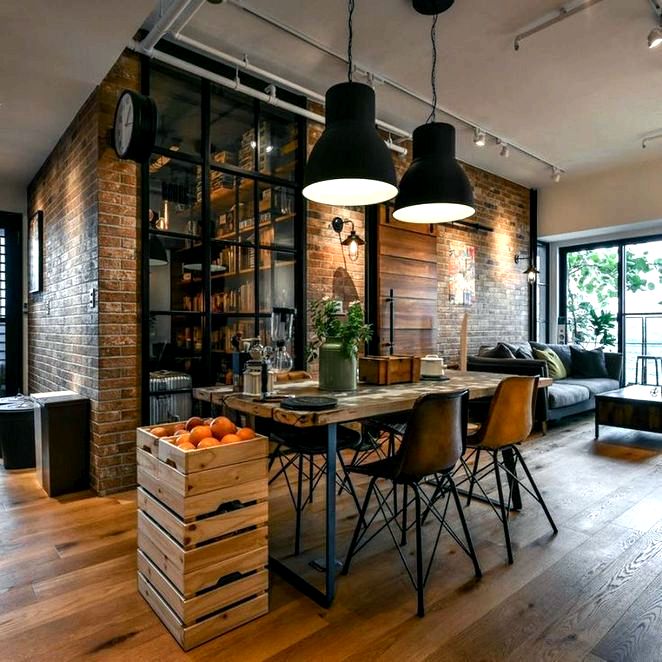
Another trend is the use of natural textures and organic materials. Materials like silk, wood, and canvas are common and add warmth and light to the space. Moreover, these textures allow for creating a sense of depth and space in a room.
Textiles are the small details that complete the overall design.
Orit Cohen – Interior Designer
Another trend is the use of modern and interesting paintings and prints on embroideries and textiles. Colorful and stunning patterns add character and personality to the space, and can enhance the ambiance in a room.
In conclusion, each of these trends represents modernity and innovation in the field of interior design and influences the design of industrial curtains and textiles. Choosing the right look can positively influence the atmosphere and aesthetics of the living or office space. Everyone can find a style that suits them and create a unique and personalized space.
4. How to Choose Suitable Textiles and Curtains for Home Design
Choosing the right textiles and curtains for home design is an important and significant step in the design process. When choosing textiles for the home, several principles and rules should be considered to help create a pleasant and calming atmosphere in the space.
Before starting to choose textiles, it is important to understand the type of design you want to create in the space. Will the design be classic, modern, or perhaps romantic? Once you have a clear idea of the style you want to create, you can focus on choosing the textiles that suit it.
When textiles are chosen carefully, the design looks perfect.
Roi Levi – Interior Designer
Another important principle is to match the colors of the textiles to the design of the space. Choose colors that complement the colors of the walls, furniture, and existing accessories in the space to create harmony and unity in the design.
In addition, pay attention to the quality of the textiles and curtains. They should be durable, comfortable, and easy to clean to serve the home in the best way.
Choosing the right curtains can improve the look of the space and create a pleasant and inviting atmosphere. Consult with an interior designer or home design expert to choose the most suitable textiles for your home.
5. Tips for Maintaining and Cleaning Textiles and Curtains at Home
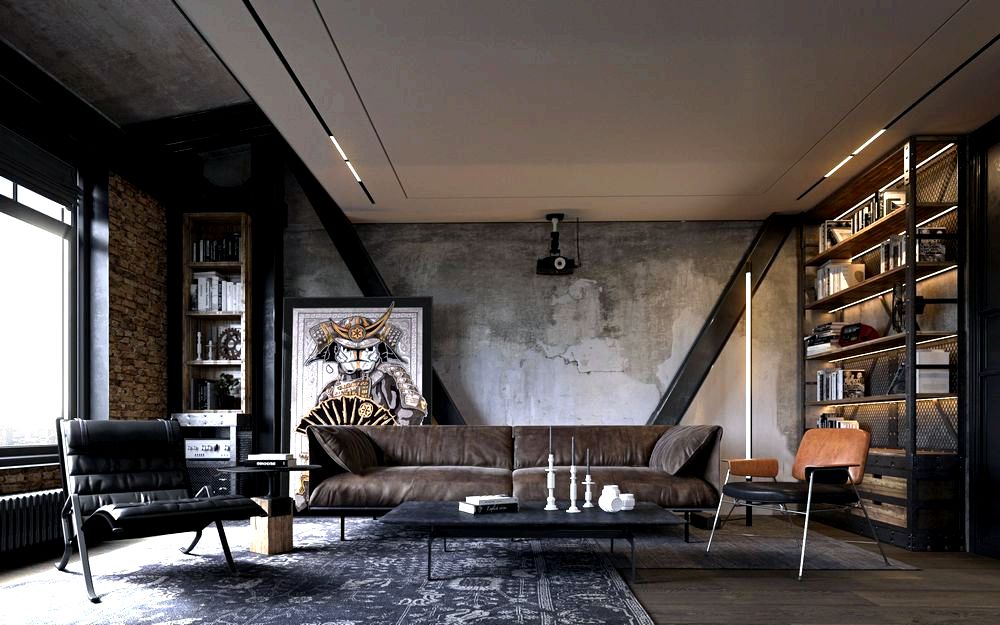
When it comes to maintaining textiles and curtains at home, it is important to consider some tips and guidelines for cleaning and maintenance. Here are some tips that will help you maintain and clean textiles and curtains at home in the best way:
Textile items can completely change the look of interior design.
Shirley Cohen – Interior Designer
1. Wash According to Instructions: Always important to read the labels and instructions on textiles and curtains before washing. You must consider the type of fabric, colors, and cleaning instructions.
2. Preserve Colors: To preserve the colors of textiles and curtains, it is advisable to wash them in cold water and avoid using harsh chemical cleaners.

3. Remove Jewelry and Accessories: To prevent damage to textiles and curtains during washing, it is advisable to remove jewelry and accessories before washing.
4. Proper Drying: After washing, it is advisable to hang textiles and curtains on a clothesline to prevent stains and unpleasant odors.
5. Storage Care: To keep textiles and curtains in good condition at home, it is advisable to store them in a dry and shaded place, protected from direct light and high heat.
6. Creating a Warm and Sophisticated Environment with Textiles and Curtains
The use of textiles and curtains in the interior design of living and working spaces can create a warm and sophisticated environment. Choosing the fabrics, colors, and prints can influence the atmosphere in the space and create a sense of homeliness and comfort.
Textiles and curtains are an integral part of the interior design of residential and commercial spaces. They convey warmth and comfort, and also serve as an effective solution for maintaining privacy and improving acoustics.
Choosing suitable textiles and curtains can affect the feeling in the space. For example, choosing thick and dark fabric may create a sense of calm and tranquility, while choosing light and bright fabric may create a sense of airiness and romance.
The combination of textiles and curtains with diverse furniture and accessories can create a balanced and interesting environment. The importance of details and small items in interior design can add depth and level to the space.
Using textiles and curtains in interior design is an important and effective design tool for creating a warm, sophisticated, and impressive environment. This process combines creativity, technique, and functionality to create a space with presence and character.
Latest News and Information in the Field of Curtains and Textiles in Interior Design
The industry of industrial curtains and textiles in interior design is constantly evolving and advancing. Every day, there is new news and information that influences the manufacturing and design processes of these products.
One of the hottest trends in manufacturing today is the use of high-quality and environmentally friendly materials. Manufacturing curtains and textiles with environmental standards has become increasingly popular over the years.
Additionally, there are news in the field of textiles that influence interior design. For example, the feelings of comfort and safety are central principles in curtain and textile design for interior design.
With advancements in technology, you can also find news about the use of smart materials and advanced technologies in manufacturing curtains and textiles in interior design.
In conclusion, it is important to stay informed about news and information in the field of industrial curtains and textiles in interior design to ensure excellent results in your home design.