



1. Definition of Minimalism and Functionality
Minimalism is a design principle that focuses on reducing noise and clutter to create a simple and clean design. The main goal of minimalism is to make the design more user-friendly and improve the user experience.
Functionality is a characteristic of design that plans the use of the interface and its various operations. The goal of functionality is to ensure that the user can perform desired actions clearly and quickly, without the need for special instructions or unnecessary explanations.
By combining minimalism and functionality, designs can be created that are not only beautiful and clean but also functional and user-friendly. Implementing these two principles in a balanced and measured way can ensure that the user enjoys a positive experience and uses the product efficiently and effectively.
Our Achilles’ heels are insecurities
Daniel Cohen – Spiritual Guide
2. Advantages of Minimalist Living
Minimalist living brings with it several significant advantages to mention. Here are some of them:
- Simplicity: Minimalist living helps reduce the noise and clutter in daily life, making it easier to navigate through different situations.
- Savings: With the rise of minimalist culture, specific solutions can lead to saving money and time.
- Quality of Life: Minimalist living promotes a better quality of life, based on things that truly matter to us.
- Environment: Against the backdrop of environmental responsibility, minimalist living can significantly reduce plastic waste and garbage.
- Health: Reducing unnecessary conditions and products in life may also lead to an improvement in health.
Aesthetics and Design in the Era of Minimalism
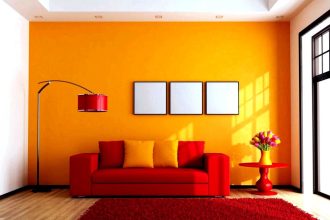
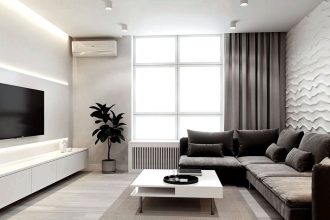
Minimalism is an artistic and design principle that examines the relationship between form and purpose. In the 20th century, the minimalist movement developed in the fields of art and design, emphasizing simplicity, minimal relationships, and reducing attributes to a minimum. Minimalism contains an aesthetic approach that focuses on simple shapes, smooth lines, and empty spaces, creating a sense of cleanliness and order.

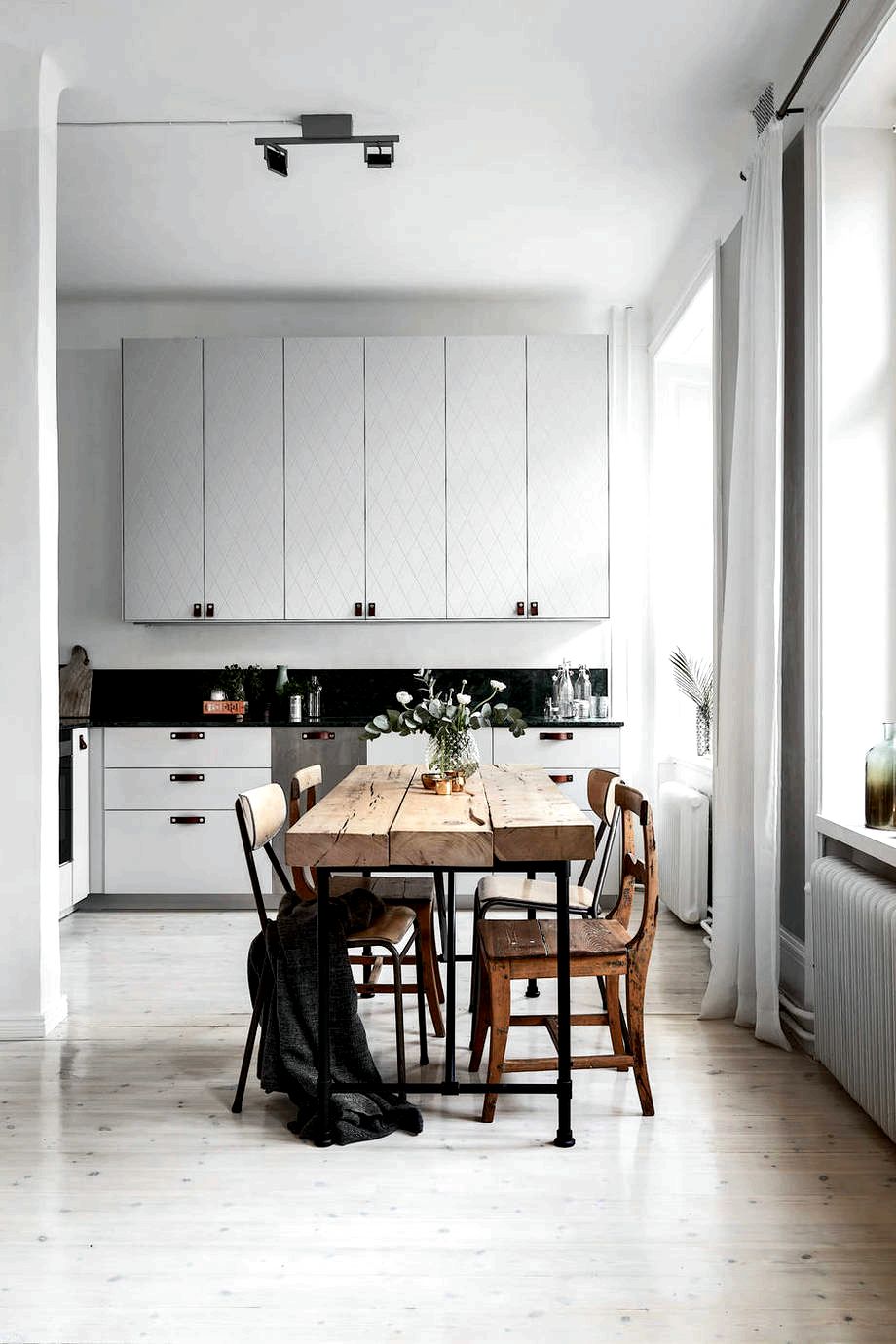
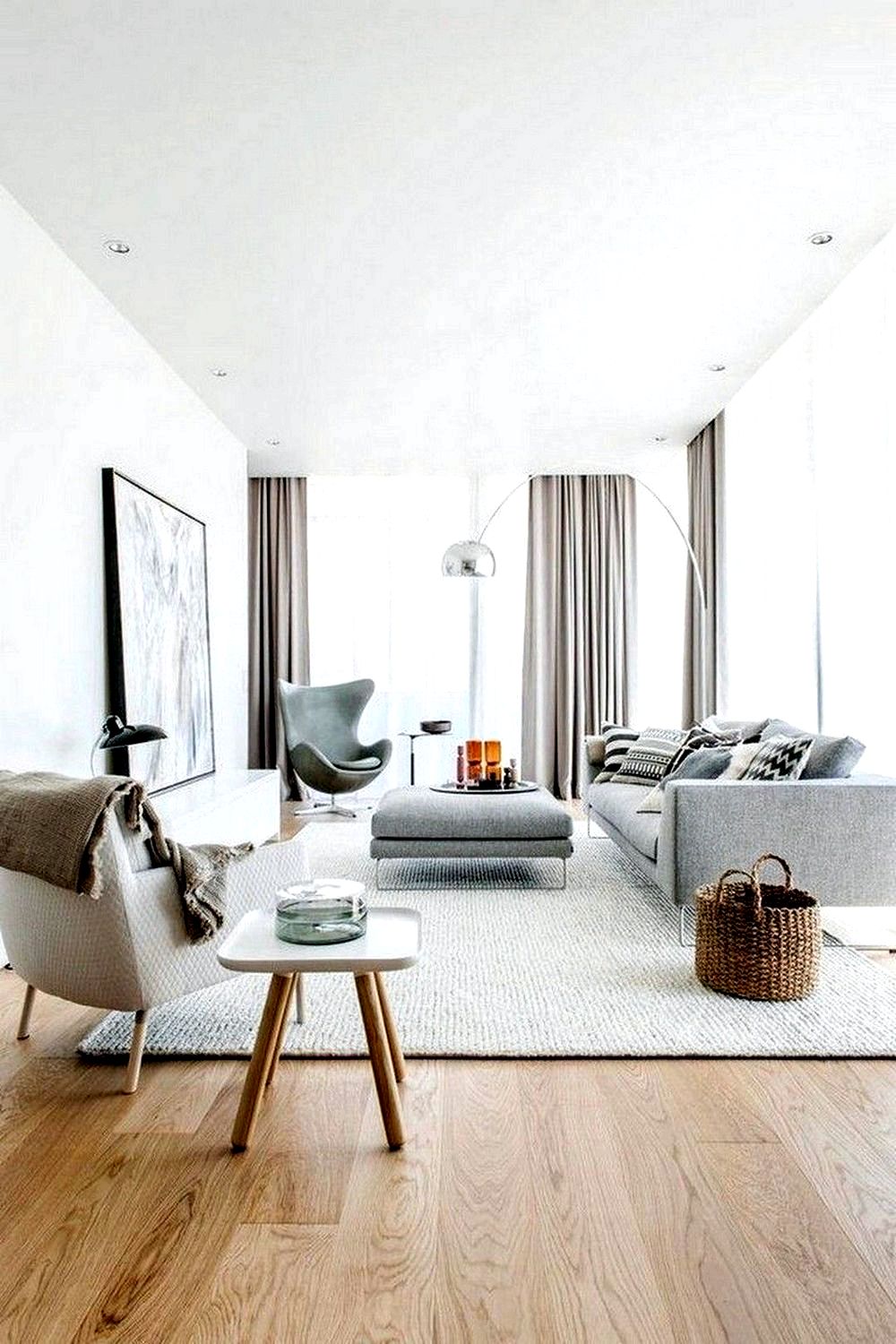
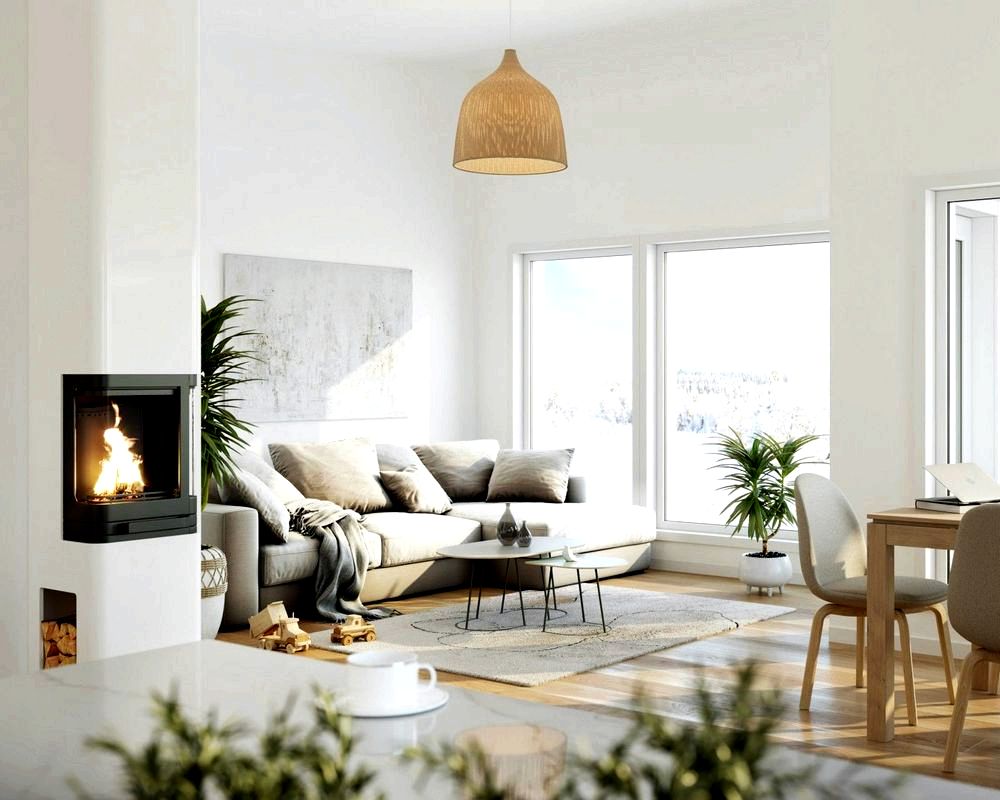
In the modern era, minimalism has also become prevalent in interior design and architecture. Designing homes and offices in a minimalist style uses simple materials, light colors, and minimalistic shapes to create a functional and beautiful environment. A minimalist design may only include the most essential furniture and accessories, giving the space a clean and organized look.
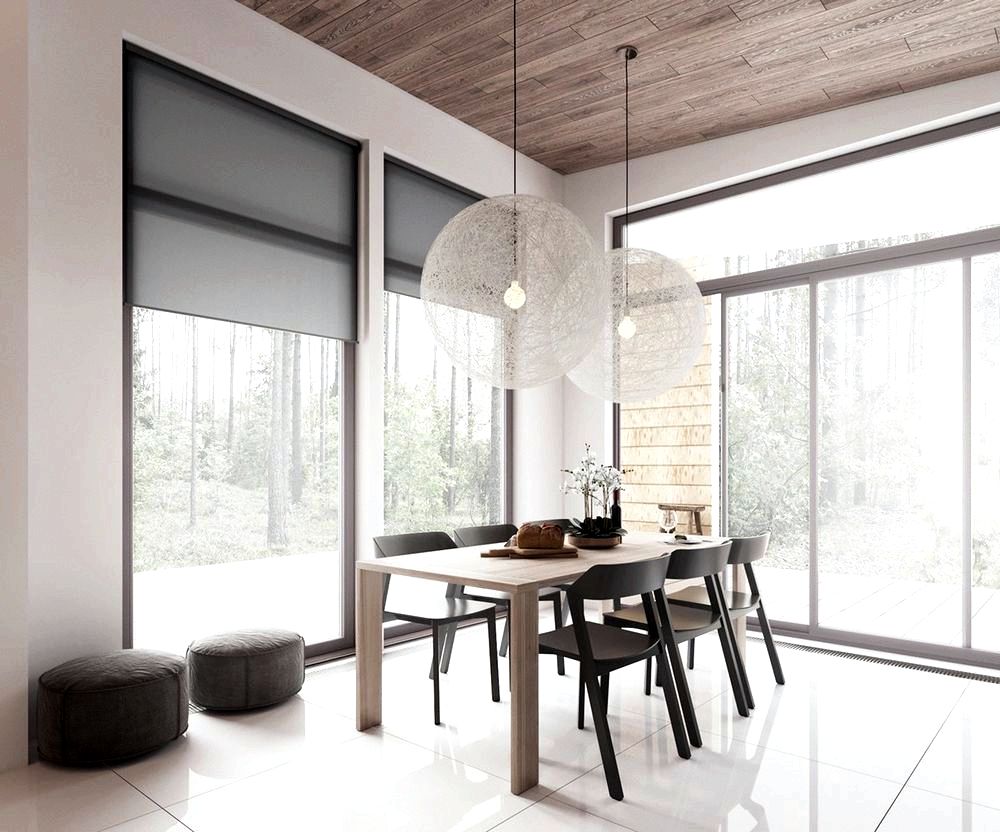
Minimalism offers a fresh and refreshing approach to interior design, focusing on simplicity, uniqueness, and functionality. Thanks to this style, spacious, clean, and impressive spaces can be created, providing a sense of tranquility and comfort. All of this without compromising the functionality and comfort of the space.
4. Tools and Techniques for Minimalist Living
To implement minimalism in daily life, it is important to use tools and techniques designed to promote this lifestyle. As part of the transition to a simple and minimalist lifestyle, it is advisable to start by understanding the concept and basic principles of minimalism.
An important tool in applying minimalism is time and task management. You can use tools such as a digital or manual calendar, task lists, and time management apps to maintain work order and prevent the clutter of unimportant items.
Additional simple techniques include regular cleaning and organizing of rooms and closets, as well as decluttering unnecessary items and donating them to social organizations.
Another useful tool is cutting ties with items and objects that are insignificant and uninteresting, and only keeping items that are truly interesting and meaningful.
5. Relationship Between Minimalism and Functionality at Work
Minimalism and functionality are two important concepts in the modern workplace. They influence each other and the way we work and enjoy our work environment.
Minimalism is an artistic and design principle that focuses on minimal arrangement of objects and spaces. In the workplace, minimalism can help us maintain order and cleanliness in our workspace, which can improve our efficiency and reduce distractions that may affect our concentration.
Functionality, on the other hand, is the ability to perform our tasks and work efficiently. When we are functional at work, we can complete tasks on time and with high quality, which can lead to a sense of fulfillment and satisfaction.
The relationship between minimalism and functionality at work is very important. When we incorporate minimalist principles into our work environment, we may see an improvement in our functional ability. Order and cleanliness can help us focus on our tasks and perform them much more efficiently.
Start living less to feel more
Yoav Galikman – Personal Coach
In conclusion, minimalism and functionality are two concepts that can improve our work efficiency and lead to better results. We need to understand the relationship between them and find the perfect balance to help us be more efficient and functional in our work.
6. How to Implement Minimalism and Functionality in Daily Life
Minimalism and functionality are principles that should be applied in life to create a simple and efficient environment. To implement these principles in daily life, it is important to consider the following points:
1. Minimize possessions: It is important to reduce the amount of belongings in the house and keep only the most meaningful and important things for you.
2. Organization and order: Try to organize your spaces in a way that allows you to find things quickly and maintain order in the house.
3. Time savings: Make sure you invest your time in activities that bring positive results and promote your goals.
4. Rational use of space: Strive to use space efficiently and not clutter it with irrelevant items.
Simplicity is the foundation of happiness
Richard Carlson – Author and Spiritual Guide
5. Focus on importance: It is important to focus on the most important tasks and not compromise on life essentials.
6. Financial management: Try to manage your finances wisely and reduce expenses on things that do not work for you.
After implementing these principles in daily life, you may feel more organized, efficient, and satisfied with your life.