


The History of Minimalism in Interior Design
Minimalism in interior design is a design approach that was created in the 20th century and was part of the modernism movement. The essence of minimalism is simplicity and cleanliness, and it is rewarded for its ability to clearly and simply express the existence of things.
The origin of minimalism in interior design is mostly found in the Bauhaus movement in America in the 1960s and 1970s of the 20th century. Through the use of light colors, straight lines, and precise space, minimalism helped create a sense of simplicity and cleanliness in interior design.
Over the years, minimalism has evolved and expanded, and began to be understood in different and varied ways. Minimalist designs focus on simplicity, cleanliness, and straight lines, while more designed minimalist designs emphasize materials and structure.
Minimalism in interior design is a design approach that serves both everyday and professional interior design. Minimalist design provides a sense of cleanliness and tranquility to the space, allowing inhabitants to focus on the experience of life rather than the noise of design.
The Basic Principles of Minimalism in Interior Design
Minimalism in interior design is an aesthetic approach that focuses on simplicity, cleanliness, and minimal items. The basic principles of minimalism work together to create a sense of calm and simplicity in the space. Here are some of the central principles of minimalism in interior design.
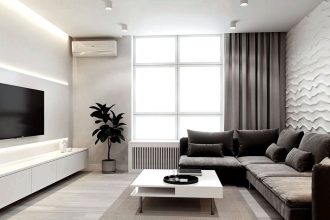
1. Neutral Colors: In minimalist design, emphasis is placed on neutral and simple colors such as white, black, and gray. These colors provide a sense of cleanliness and tranquility to the space.
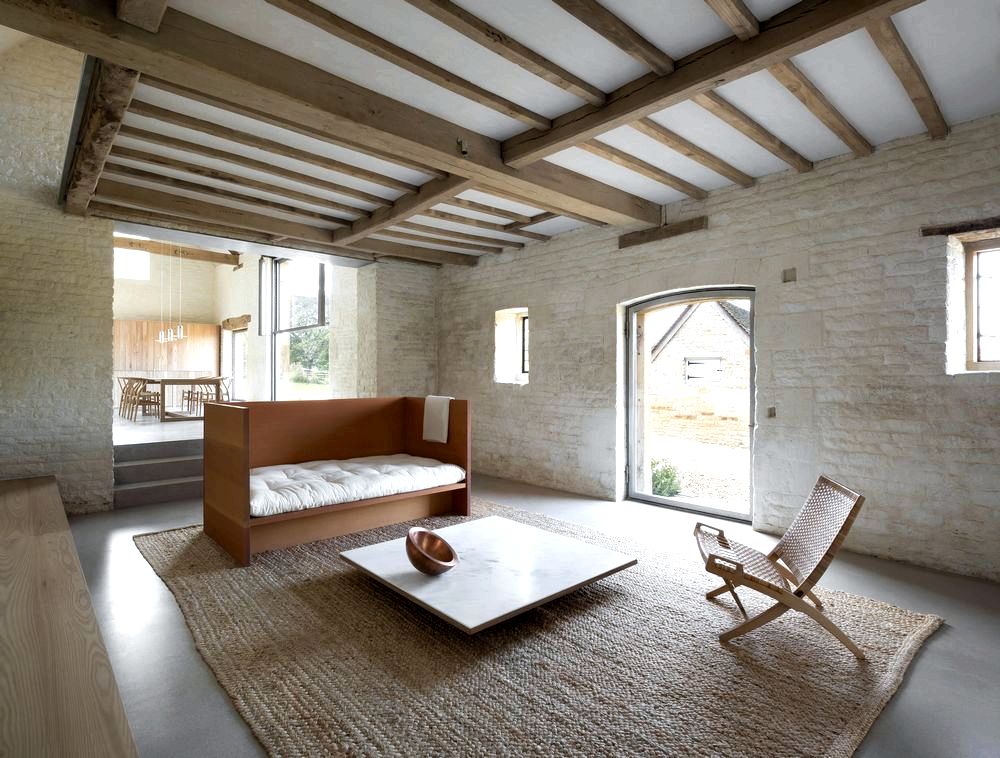
2. Simplicity in Furniture: In a minimalist space, there is an emphasis on simple and minimalistic furniture. Furniture with straight design, clean lines, and no unnecessary details.
3. Open Spaces: Open and clean spaces provide a sense of spirituality and cleanliness. It is important not to overload the space with unnecessary furniture and accessories.
4. Natural Lighting: Natural lighting is important in minimalist design and can enhance the feeling of cleanliness and tranquility in the space.
5. Natural Materials: In minimalist design, it is important to use natural and quality materials such as wood, stone, and natural fabrics.
By applying these principles, it is possible to create a modern, simple, and calming internal space that allows residents to feel comfortable and satisfied.
Colors and Materials in Minimalist Interior Design
In minimalist interior design, colors and materials serve as key tools in creating the unique aesthetics of the space. The use of neutral colors and styles with simple and clean lines represent the preference for minimalism in interior design.
Colors like white, gray, black, and brown form the basis of the design platform in minimalist design. They provide calm and cleanliness to the space and allow objects and furniture to express themselves in the best way.
Minimalism allows for the creation of spacious and light-filled spaces.
Shira Levi – Interior Designer
Additionally, materials like wood, metal, and glass blend well in minimalist design. They provide a warm and authentic look to the space and convey calmness and quality.
Choosing the right materials and colors can lead to the creation of a highly modern and elegant space, where the presence of equipment and furniture will be satisfied and guests can relax in a pleasant and quiet atmosphere.
Minimalist Furniture and Space Arrangement
Minimalism in interior design is a popular trend today, aiming to create open, simple, and calming spaces. Minimalist furniture and space arrangement are an integral part of this style, positively influencing the atmosphere in the home.
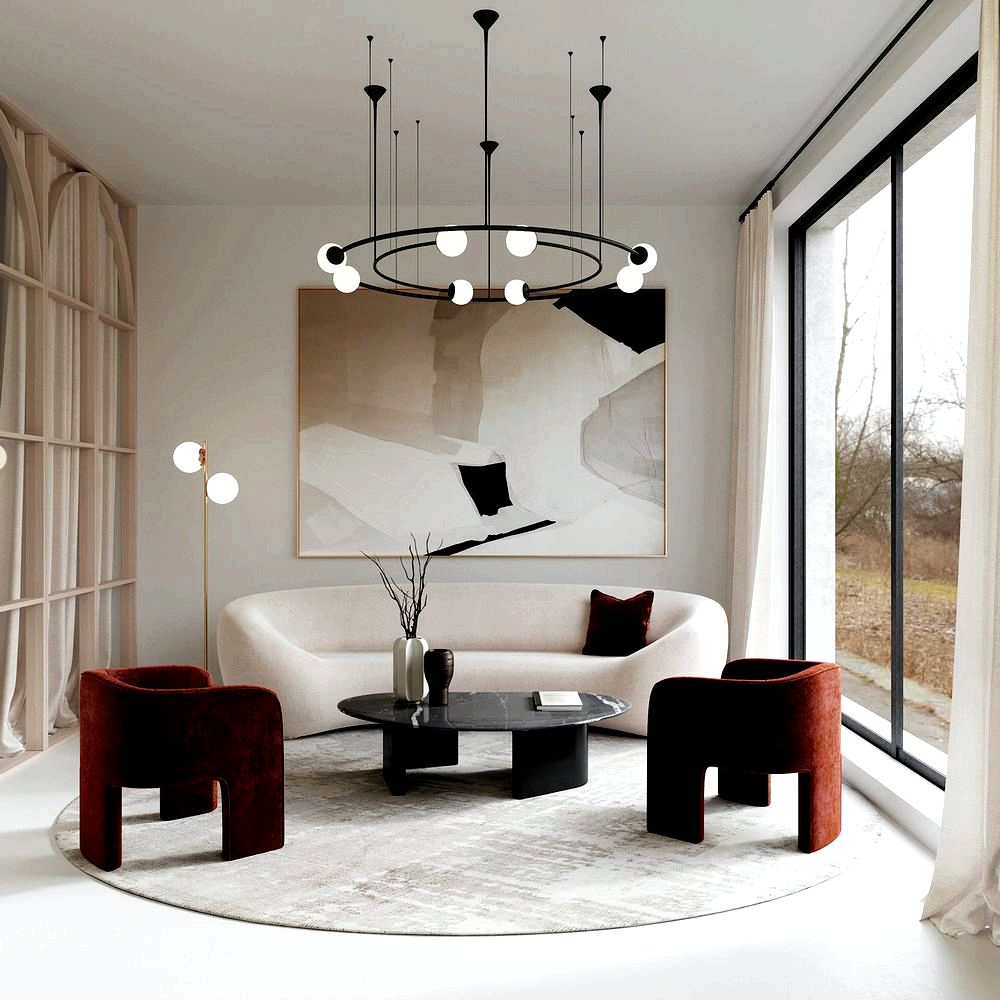
Choosing minimalist furniture allows for creating a sense of cleanliness and order in the space, allowing light to flow naturally in the space. Furniture with simple lines, neutral colors, and natural materials offer a sense of calm and relaxation.
Space arrangement in minimalist design is done by breaking down space into basic components and using functional and lightweight furniture. Additionally, using minimalist and unobtrusive decorative accessories complements the design and creates a pleasant and relaxing atmosphere.
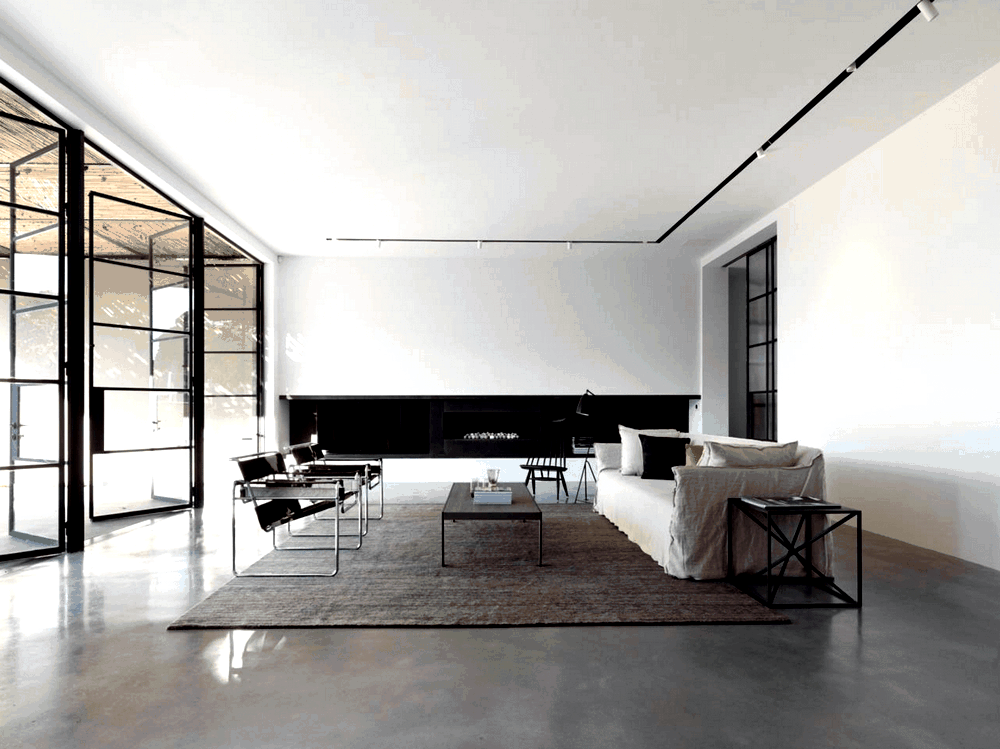
In summary, the combination of minimalist furniture and space arrangement in interior design creates functional and beautiful spaces that provide a sense of calm and cleanliness. Such a choice can improve the quality of life and create a better environment to live in.
Lights and Lighting in Minimalist Interior Design
Lighting is one of the most important components in minimalist interior design. In minimalist interior design, the use of clean and pinpoint lighting serves as a way to create a calm and emphasized indoor atmosphere.
The use of dim lights and modern lighting systems is an integral part of minimalist design. Proper lighting presents the unseen painting and adds an additional dimension to the space.
Less is more when it comes to choosing colors and lamps.
Dana Cohen – Interior Designer
In minimalist interior design, LED lighting is especially common due to its modern design and suitability for minimalist design. The main advantage of LED lighting is its ability to create an intimate and calm atmosphere in the space.
In addition, lighting with lamps with clean lines and simple aesthetics is especially popular in minimalist interior design. Lamps designed in a simple and clean manner complement the design perfectly.
In conclusion, lights and lighting are essential components in minimalist interior design. They should create a calm and emphasized atmosphere and complement the design perfectly and aesthetically.
Minimalism in Interior Design and Art
Minimalism in interior design is an aesthetic approach that focuses on simplicity, cleanliness, and minimalist items. The central principle of minimalism is “less is more,” and in interior design, this is reflected in the use of neutral colors, simple shapes, and natural materials.
By using minimalism in interior design, it is possible to create spacious and calming spaces that convey calm and tranquility. Minimalist items give the space a focal point and create an atmosphere of cleanliness and order.
In interior design, minimalism permeates every detail – from furniture to accessories and pictures on the wall. Choosing neutral colors and lighting, using simple and clean shapes, and complementing with details from wood and metal can create a spacious and modern space.
In addition, minimalism in interior design allows for drawing a unique and identifying design line that reflects the tastes and personal styles of the residents. This can create an internal space that perfectly reflects the energy and aesthetics of the occupants.
Tips and Ideas for Arranging Items in a Minimalist Style Home
1. Start with order in the bedroom. Before rearranging the bedroom in your home, think about the most essential items there. Try to avoid cluttering unnecessary items on the table and closet.
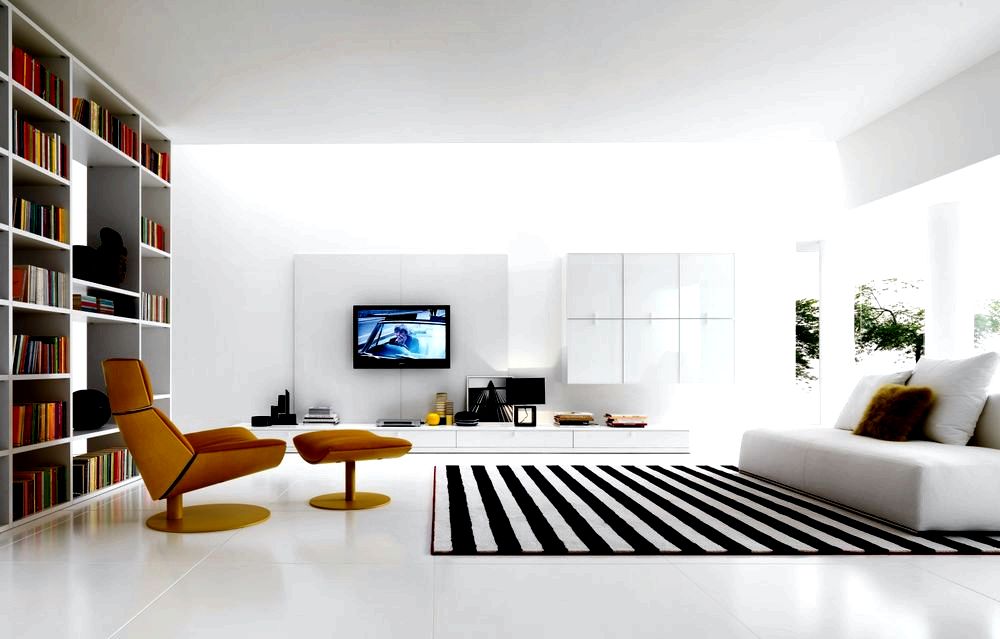
2. Solution for storing unnecessary items. If you have items that are not necessary, try to find a storage solution for them in a place where they won’t take over the space and will maintain order.
3. Use neutral colors. Choosing neutral colors like white, gray, or black can ensure an impressive and minimalist interior design.
Simplicity is the key to cleanliness and order in interior design.
Tamar Sharon – Interior Designer
4. Choose simple and modern furniture. Furniture with straight lines and simple design will add a minimalist atmosphere to your home.
5. Add plants and wooden toys. Plants can add a calm and natural atmosphere to the space while maintaining the minimalist design. Wooden toys can serve as an original and interesting design element.