

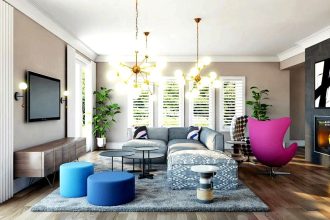
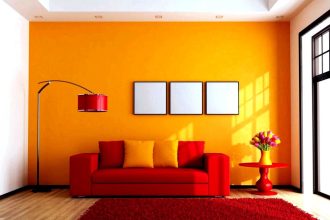
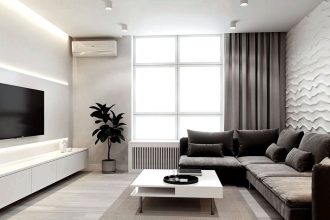

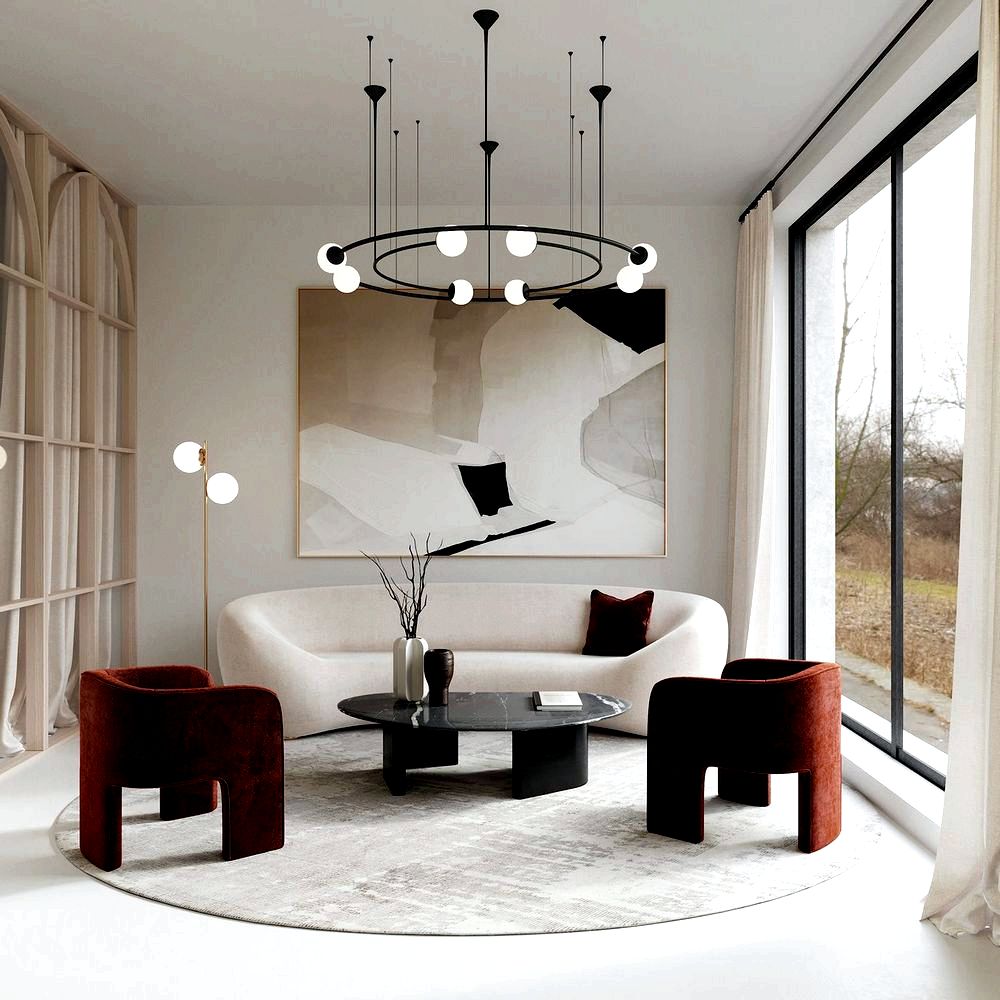
1. Influence of Colors and Texture on Wall Design
In your search for minimalist wall design, it is important to remember that colors and texture have a huge impact on the overall look of the space. In minimalist design, it is important to choose neutral and calm colors that provide tranquility and cleanliness to the space. Additionally, emphasis should be placed on the texture of the walls, using materials with a unique and interesting look that contribute to the minimalist appearance of the space.
Using warm colors such as white, deep gray, and shades of brown can create a calm and soothing atmosphere in the space. Furthermore, texture of the walls can be creatively used by incorporating paintings, wallpapers, or special materials such as wood or concrete. Smart use of colors and texture will help create a sense of spaciousness and comfort in the space.
In conclusion, the use of colors and texture in wall design is an important part of creating a minimalist and clean look. Choosing colors and materials wisely and understanding minimalist aesthetics will help create a modern and impressive space.
2. Integration of Paintings and Pictures in Wall Design
Combining paintings and pictures in wall design can create an interesting and impressive visual effect. Paintings and pictures can add depth and dimension to the space, create a unique atmosphere, and bring character and style to the room.
Combining unique and modern wall paintings with family photos or personal photographs can be fascinating to see the combination of different styles together.
When combining pictures with paintings on walls, it is important to maintain a balance between the colors, styles, and sizes of the artworks. Playing with different sizes can create a sense of movement and depth in the space.
To create a sense of completeness and unity in wall design, it is advisable to add additional elements such as shelves, plants, or special lighting that can complement the overall look of the space.
In summary, the integration of paintings and pictures in wall design can be a splendid way to create a unique and interesting spatial experience in a home or office.
3. Furniture and Accessories in Wall Design
When planning wall design with minimalism, it is important to choose furniture and accessories that fit this style. Furniture with simple lines, minimalist shapes, and neutral colors will serve the purpose perfectly.
Choosing furniture can include natural wood tables, shelves with a clean look, and stands with light colors. To complete the design, accessories such as black and white printed pictures, minimalist clocks, and simple plants can be added to create a clean and impressive atmosphere.
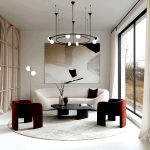
Using furniture and accessories in minimalist wall design can create a sense of calm and order in the space, and evoke a feeling of cleanliness and beauty. Each piece of furniture and accessory should be placed precisely and not deviate from the minimalist principles of simplicity and clarity.
Simplicity is no less pleasurable than excess
Dan Tzur – Interior Designer
Functionality in Wall Design
Wall design in a home affects the atmosphere of the space and our sense of comfort. Functionality in wall design is a key factor to consider when planning the design of the home. Functionality refers to the walls’ ability to serve our daily needs and make our lives comfortable and efficient.
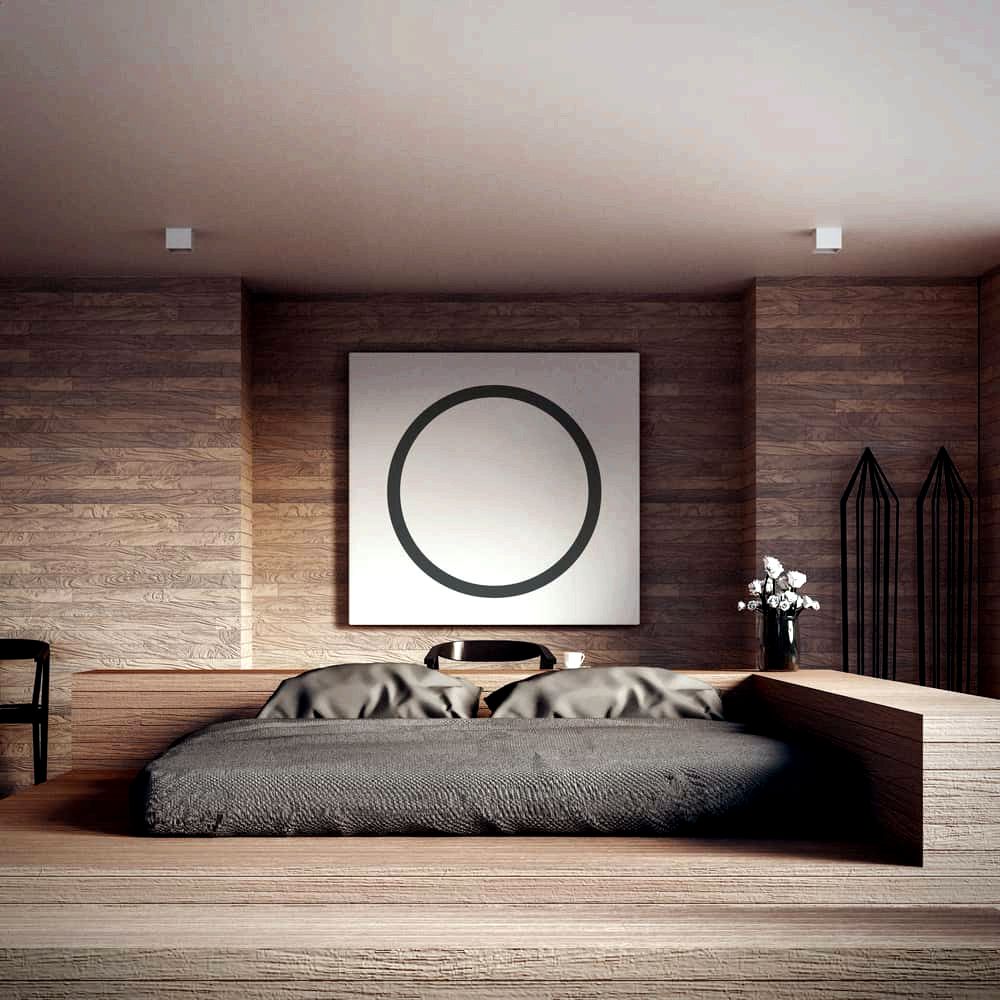
In minimalist wall design, emphasis is placed on using simple materials and light colors to create a sense of cleanliness and tranquility in the space. Additionally, it is important to consider the functionality of the walls and how they can best serve us. Examples of using functionality in wall design include wall-mounted coat racks, shelves for storing books and toys, and built-in work corners that serve as home offices.
In addition, it is important to remember that functionality in wall design should be balanced with the aesthetics of the space. Wall design should not only be beautiful and interesting but also convenient and efficient. Therefore, when planning wall design, it is important to consider how each design idea will affect the usability and comfort of the space.
Creating a Sense of Space and Cleanliness in Wall Design
Minimalism in wall design is a popular style aimed at creating a sense of space and cleanliness in a space. Minimalist wall design focuses on using neutral colors, simple shapes, and natural materials to create a feeling of cleanliness and order in the space.
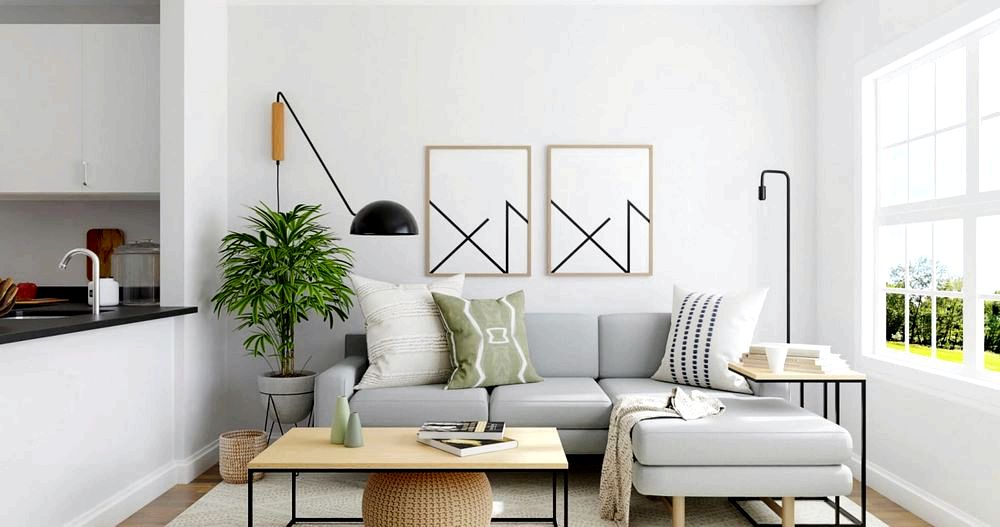
To create a sense of space and cleanliness in minimalist wall design, it is important to choose simple and clean furniture and avoid cluttered and complex furniture. Simple pictures or sculptures can be used on the walls to add interest and courage to the space, but it is important that they are not exaggerated or overly complex.
A clean and simple appearance is the key to feeling serenity in a space
Shira Levi – Interior Designer
Additionally, to create a sense of space and cleanliness, natural and bright lighting can be used, and excessive use of artificial lighting or unnecessary fixtures should be avoided. Spacious and clean spaces indicate well-being and can improve the quality of life and create a sense of calm and tranquility in the space.
In conclusion, creating a sense of space and cleanliness in minimalist wall design is achieved by using neutral colors, simple shapes, natural materials, simple and clean furniture, simple pictures or sculptures, natural lighting, and focal points of light. By applying these principles, a pleasant, spacious, and impressive space can be created that provides a feeling of cleanliness and order in any space.
6. Implementing Minimalist Design in Large and Small Spaces
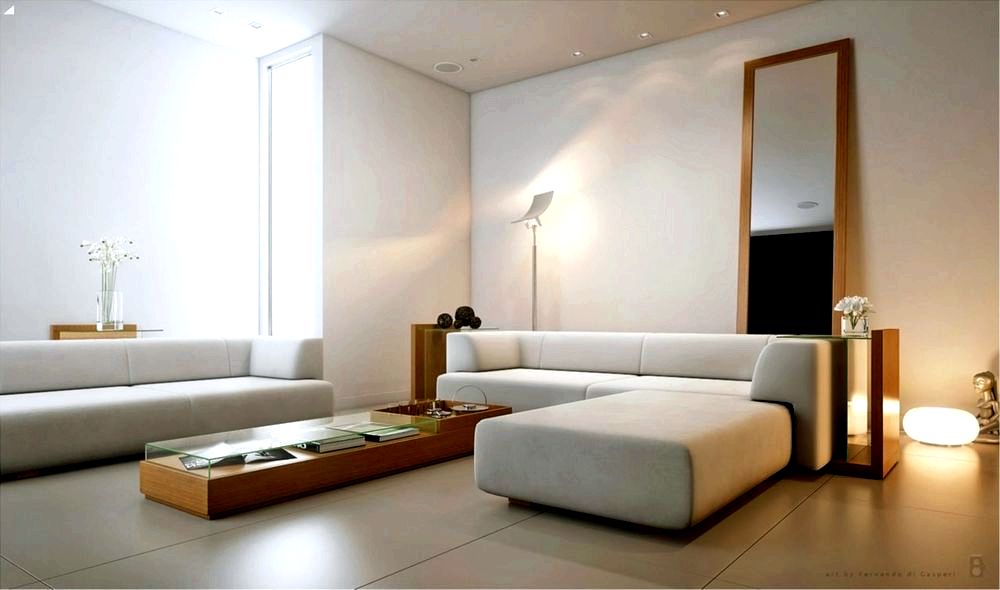
Minimalist design is a style that focuses on simplicity, cleanliness, and functionality. In large spaces, implementing minimalist design can create a sense of open and comfortable space. In small spaces, using minimalist design can create a feeling of coziness and width.
To implement minimalist design in large and small spaces, it is important to choose simple and minimalist furniture, use neutral colors, and emphasize cleanliness and order.
Minimalism is a way to order, and order is a way to serenity
Avivit Cohen – Interior Designer
In large spaces, large and impressive furniture can be used, complemented by simple and interesting accessories. In small spaces, it is advisable to use small and light furniture, and use mirrors and lighting to create a sense of space.
In addition, it is advisable to use advanced and functional technological equipment that allows convenient and efficient use of the space. It is also advisable to use smart and practical storage systems that will help maintain order and cleanliness in the space.