






1. Definition of Industrial Minimalism
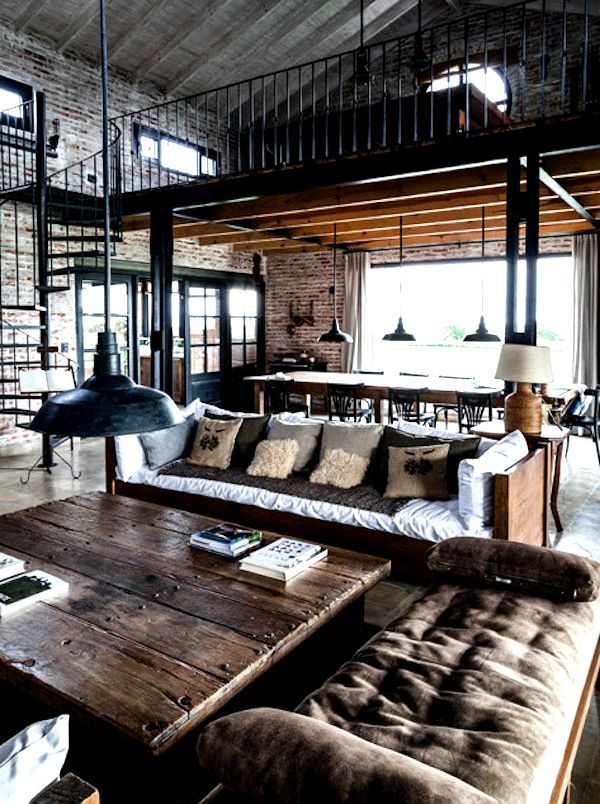
Industrial minimalism is a design and aesthetic approach that focuses on simplicity, cleanliness, and functionality in industrial design. Its main goal is to create products that are simple, influenced mainly by their functions, and reduce visual noise and clutter in design.
Simple living is the richest
Dan Ron – Economist
Industrial minimalism is based on principles of simplicity and efficiency. Its industrial designs use basic shapes, simple materials, and minimalist colors. Clean lines, perfect proportions, and natural materials are part of the design character of industrial minimalism.
Despite the simplicity in principle, industrial minimalism incorporates industrial details such as steel, glass, and concrete. This allows products to be functional and durable, while maintaining a sleek and sophisticated design.
2. Benefits of Minimalism in Industrial Design
Industrial minimalism offers many fascinating advantages to consider. Investing in minimalist design can ensure clean, simple, and elegant design that provides a sense of cleanliness and order to the product or space.
Minimalism can help improve user experience and reduce confusion and clutter in design, which can lead to increased product efficiency and usability. Additionally, minimalist design can make maintenance and cleaning processes easier and reduce associated maintenance costs.
Unlike busy and intricate designs, minimalism allows products to focus on their core functions and purpose, making them more practical and efficient for the user.
In addition, minimalist design is considered environmentally friendly, which can promote company growth and reduce its environmental impact.


3. Examples of Minimalism in Industrial Design
1. Industrial minimalist chair made of metal and plastic, in neutral colors and simple shapes.
2. Industrial minimalist work desk with prominent metal details and pleasant colorful tones.
3. Modern and minimalist industrial ceiling lamp with straight lines and natural materials.
4. Industrial minimalist office ceiling with open space, simple furniture, and light colors.
Every item we find unnecessary causes us to lose ourselves in troubles
Rebecca Levi – Interior Designer
5. LED lighting in minimalist design in a thin and energy-efficient light strip, suitable for use in homes and offices.
4. Techniques for Implementing Minimalism in Industrial Design
There are several techniques that can help implement minimalism in industrial design efficiently. Here are some of them:
1. Use of light and neutral colors. Choosing neutral and bright shades may create a clean and minimalist look, reducing visual noise in design.
2. Simplicity in the object or product shape. Design with simple lines and basic shapes may create a minimalist look and reduce clutter in design.
3. Use of natural and quality materials. Choosing natural and quality materials may contribute to a clean and minimalist look in design, giving it an elegant and modern appearance.
4. Use of multi-purpose items. Choosing items that can serve multiple functions efficiently may reduce the need for a large number of items in design.
Through these techniques, minimalism can be implemented in industrial design efficiently and impressively.

5. Influence of Minimalism on Manufacturing and Production Processes
Minimalism is an artistic and design approach that focuses on simplicity, cleanliness, and innovation. In the industrial world, minimalism positively and significantly influences manufacturing and production processes.
One of the main influences of minimalism on manufacturing processes is simplicity and efficiency. By removing non-essential noise and details from processes, production times can be improved, problems reduced, and product quality enhanced. Additionally, minimalism promotes the use of advanced technology and automated systems that assist in much more efficient production.
Another influence of minimalism is on planning and design processes. By focusing on simplicity and functionality, products with clean and modern designs that combine aesthetics with functionality can be developed. Minimalist products are considered more impressive and sought after by consumers.
Furthermore, minimalism leads to waste reduction and improved material insulation. By focusing on non-recyclable materials and components, resources can be saved and the environmental impact of production reduced.
In summary, minimalism positively influences manufacturing and production processes in the manufacturing industry. By focusing on simplicity, functionality, and aesthetics, production processes can be improved, advanced products developed, and the environmental impact of production reduced.
6. Tips for Efficiently Implementing Minimalism in Industry
1. Start with process analysis: To efficiently implement minimalism in the industry, start by analyzing the existing work processes in your company. Identifying unnecessary or inefficient processes will help you identify what changes need to be made to improve your operations.
2. Use advanced technology: To implement minimalism in the industry, it is important to use advanced technology and information systems to streamline processes. Using software and software solutions can make your work more efficient and faster.
3. Develop a work plan: To improve operational efficiency, it is important to develop a detailed work plan outlining the various steps to be taken and the goals to be achieved. This plan will help you maintain order and organization in work processes.
4. Encourage skill development: Working on improving the skills of the team and gaining new knowledge in the industry can lead to significant improvement in operational efficiency. When the team develops new capabilities, they can work more efficiently and create new solutions to arising problems.
Minimalism is not just a design style, but a way of life
Miriam Goldburg – Interior Designer
5. Efficient time management: To implement minimalism in the industry efficiently, it is important to focus on efficient time management. Plan work processes and prioritize tasks so that there are fewer interruptions and breaks in work.
6. Collaboration and error correction: Close collaboration and teamwork between teams and different departments can lead to efficient implementation of minimalism in the industry. When all teams work together and address issues quickly, operations will be more efficient and less time-consuming.