


Advantages of Plants in Interior Design
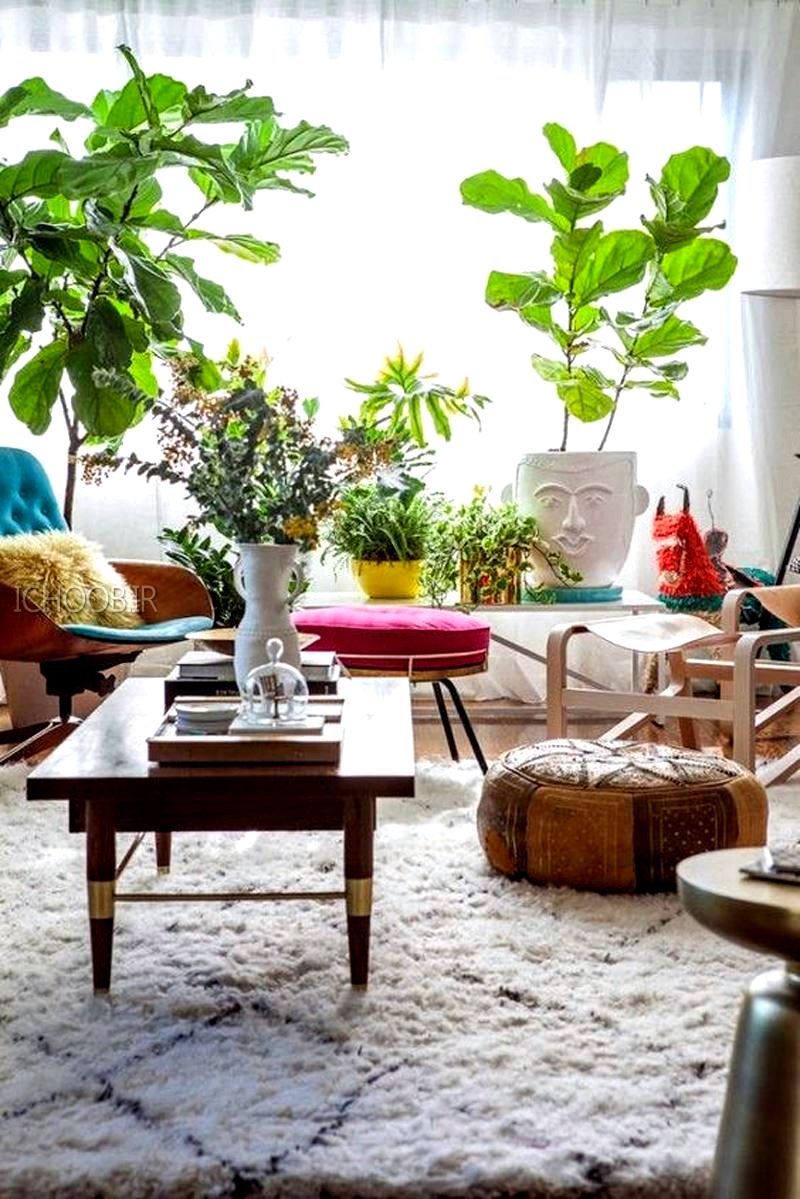
Using plants in interior design offers several significant benefits. Firstly, they add a sense of nature and warmth to the environment, can improve air quality, and add a pleasant scent to the space. Additionally, they enhance acoustics and help reduce background noise.
Plants also improve overall well-being, help reduce stress levels, promote relaxation and calmness. Moreover, they can improve concentration and sleep quality.
Plants also help maintain air quality indoors by filtering toxins and chemicals from the air. Additionally, they can serve as natural air purifiers and help reduce humidity levels in the space.
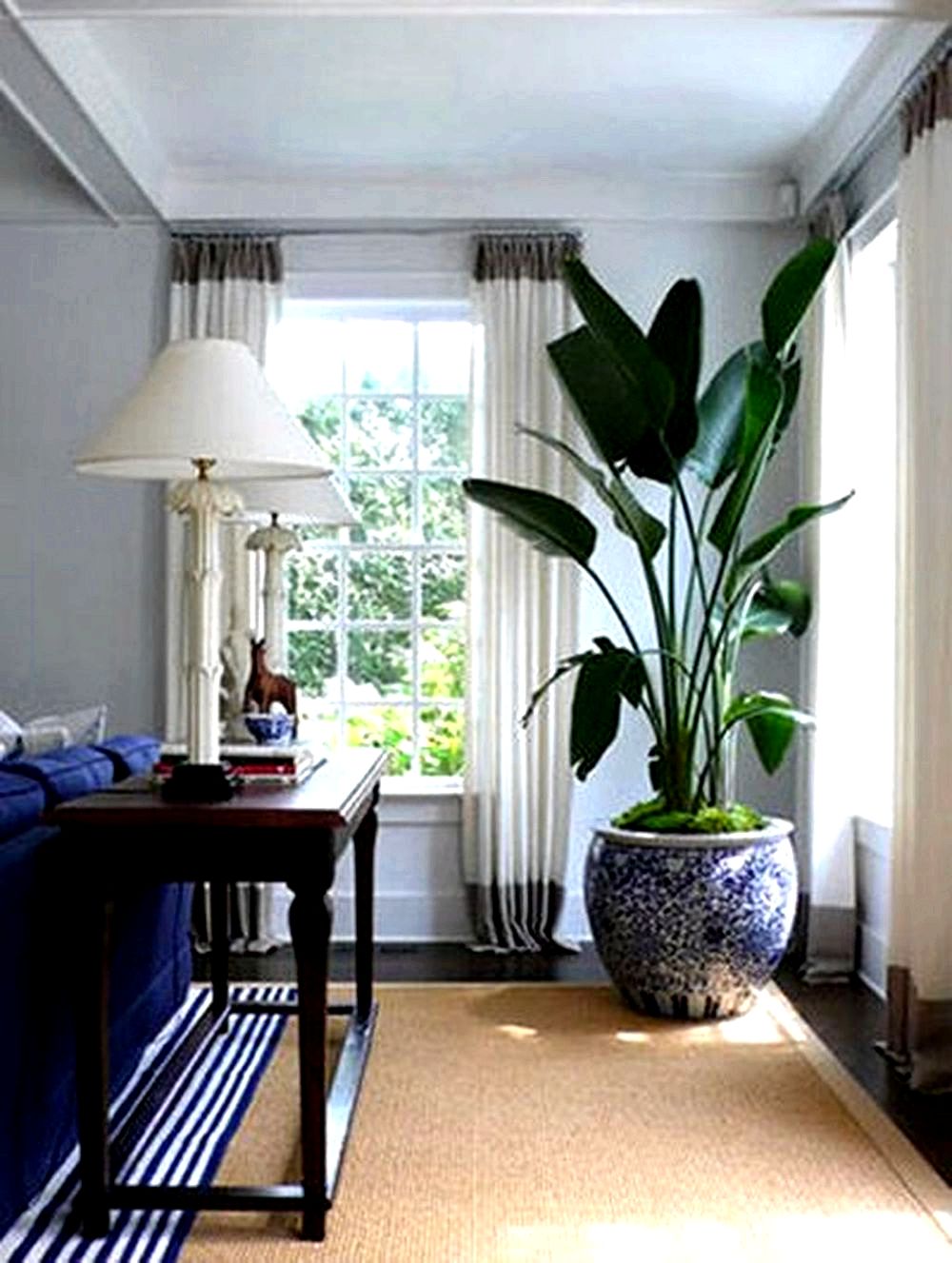
In summary, plants in interior design offer a variety of calming benefits and improve the quality of life in the space. Each person can find the plant that suits them and enjoy its calming and enhancing benefits.
Drawbacks of Plants in Interior Design
1. High maintenance requirements – Plants in interior design require significant attention and regular care. This includes watering, leaf care, and disease prevention.
2. Dependence on light and water – Plants require natural light and regular watering. Lack of either may cause the plant to wither or even die.
3. Allergy risks – Plants in interior design may cause allergic reactions in many people, such as eye irritation or skin damage.
4. Risk of insects and pests – Interior plants may serve as an excellent breeding ground for insects and pests. Therefore, you may need to deal with insect and pest issues at home.
5. Limited lifespan – Unlike furniture and other interior design accessories, plants may lose their beauty and dry out quickly, requiring frequent replacement.
Plants can add interesting colors and textures to interior design
Amit Cohen – Interior Designer
Choosing Suitable Plants for Home Design
1. Choose plants that suit the lighting conditions in the space. Plants that require a lot of light are suitable for well-lit areas, while shade-tolerant plants are suitable for darker spaces.
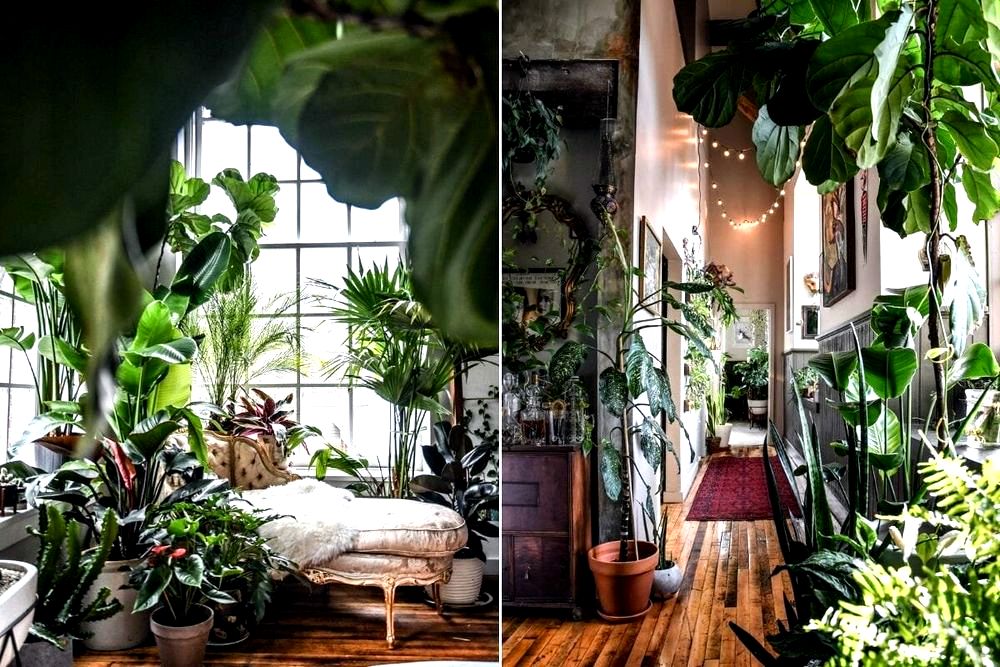
2. Consider the space size – Choose plants that fit the space size so they do not look overcrowded or undersized.
3. Check the humidity level in the space – Choose plants that are suitable for the humidity level in the space and will not dry out or wither easily.
4. Think about the plant’s shape – Choose plants that match the home design style, so they complement the space shape and design style.
5. Choose plants that suit the space’s purpose – Select plants that serve the space’s purpose, such as calming plants for bedrooms or air-purifying plants for balconies.
One drawback of plants is that they require constant care and maintenance
Maya Cohen – Interior Designer
6. Match the plants to the care needs – Select plants that match the care level you are willing to provide, ensuring they survive and remain beautiful and healthy.
Tips for Caring for Interior Plants
Plants in interior design are a dominating trend in today’s design world. A home with plants is calming and brings nature indoors. However, there are important points to consider when starting to grow plants indoors. Here are important tips for caring for interior plants:
1. Placement: Understand the plant’s needs and position it in the right place in your home to provide optimal growth conditions.
2. Watering: Water the plant correctly and avoid over or under-watering. Check the soil moisture before watering.
3. Lighting: Each plant requires a different amount of light. Ensure the plant receives the appropriate amount of light.
4. Flowering and maintenance: Plants require regular maintenance and have different flowering periods. It’s important to keep them clean and remove dust from the leaves periodically.
5. Placement indoors: When choosing a location for the plant, consider the plant’s needs and choose a spot where the plant will receive the best conditions for growth and flowering.
Everyone can enjoy plants in their home. With a little care and proper watering, you can enjoy plants in interior design that will enhance your home and freshen the atmosphere.
Implementing Plants in Office and Business Interior Design
Plants in office and business interior design are a popular design trend that brings freshness and natural elements to the work environment. They add color, energy, and warmth to the space, improve air quality, and organization in the office. They can reduce humidity in the air and minimize noise in the environment. Additionally, plants can improve the well-being and emotional stability of employees and help them cope with daily stress.
On the other hand, there are also drawbacks to implementing plants in office and business interior design. Plants require constant attention and care, requiring additional time and resources. Additionally, some plants may be harmful to health if not properly adapted to the work environment.
In conclusion, implementing plants in office and business interior design can be beneficial if done correctly and professionally. Businesses should consider the advantages and disadvantages and determine if this is the right choice for them and their work environment.
Plants may cause discomfort when they require additional space in the environment
Nir Cohen – Interior Designer
When to Avoid Having Plants at Home
There are instances where it is advisable to avoid having plants at home to preserve your health and the plants’ health. Firstly, if you are allergic to plants or suffer from asthma, it is advisable to avoid having them at home to prevent allergic reactions or a feeling of suffocation. Additionally, if you have pets at home that may eat harmful plants and endanger their health, it is advisable to avoid having plants.
Furthermore, an advantage of avoiding having plants at home is saving space and time. Plants require constant care and maintenance and may be a place where insects and pests that can damage the home may thrive. Therefore, if you are not interested in caring for and watering plants regularly, it is advisable to avoid them and choose other options for home design.
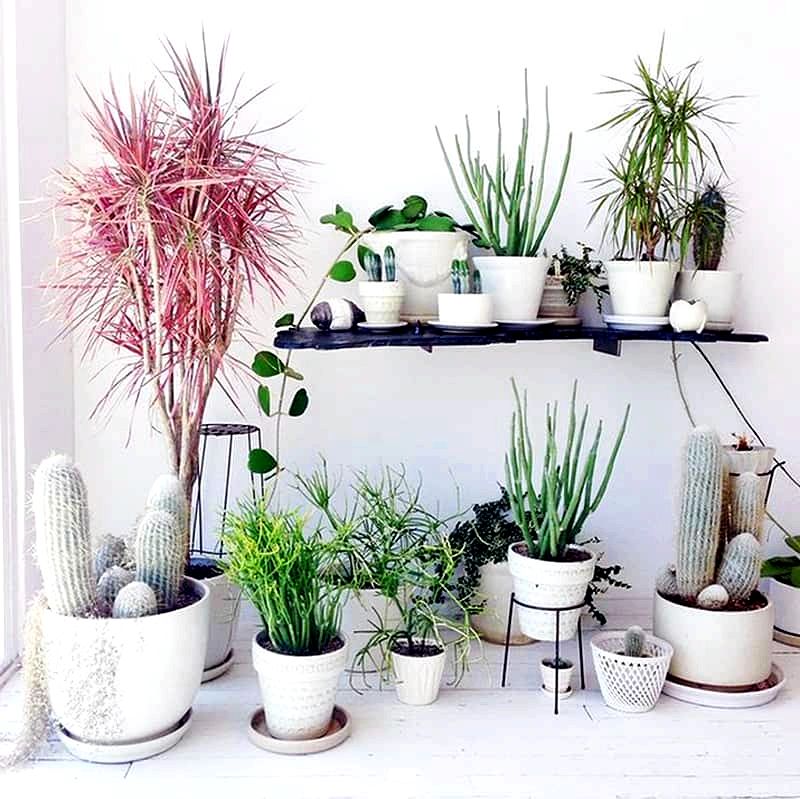
In general, it is essential to remember that while plants can be pleasant and refreshing, they may not be suitable for everyone. Each person and each home is different, so it is advisable to consult with a professional before bringing plants into your home to ensure they do not cause harm to you and your environment.