


1. The Influence of Plants on Space Division in the Home
Plants are an integral part of the overall design of a home. They impact not only the aesthetics of the space, but also its division and organization. By combining different plants indoors and outdoors, you can create effects and moods that will influence the atmosphere in the home.
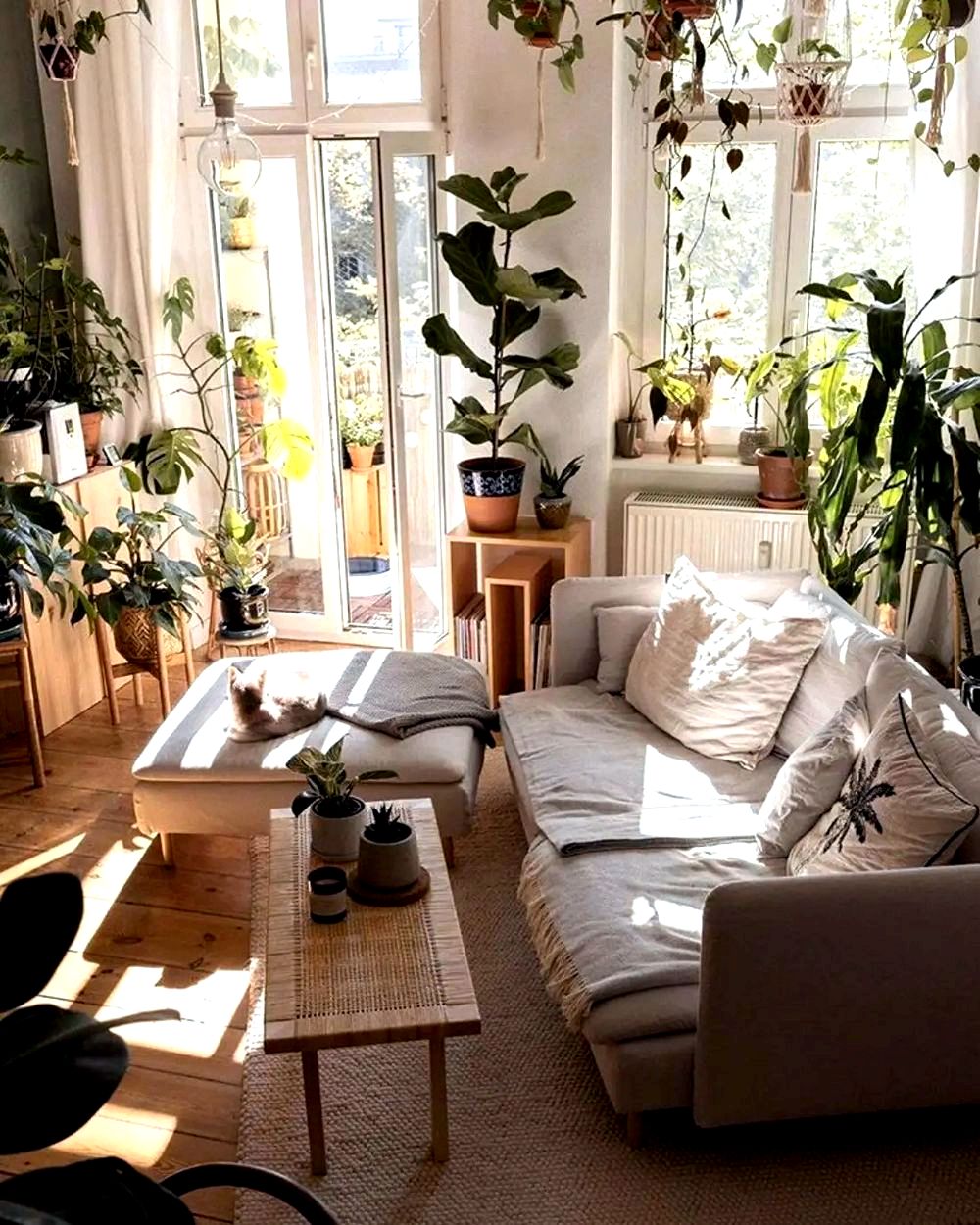
Plants can grow throughout the house, from the exterior walls to the interior corners. They can serve as a focal point or an area of interest in a space, making it pleasant and refreshing. Additionally, plants can be used to divide the space and create different details based on the communication needs between spatiality and function.
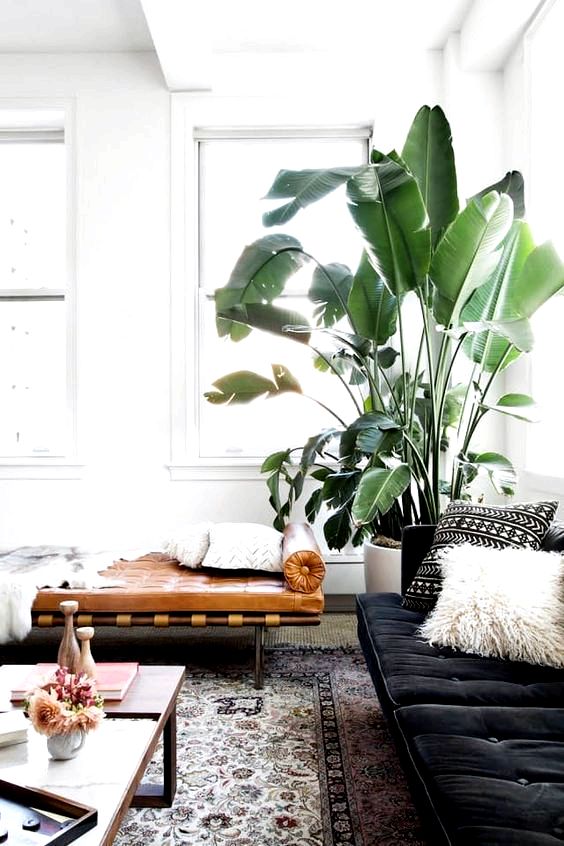
Choosing the right plants and their arrangement can significantly alter the feel of the space and the experience of being in it. Large, lush plants can divide the space and create a private and unique spatiality, while small, colorful plants on the table can create interesting and refreshing details.
Plants can turn public spaces into meeting and activity areas
Dan Cohen – Urban Planner
2. Choosing Plant Types According to Space Division Needs
When planning space division with plants, it is important to choose plant types that suit the specific needs of the space. Each type of plant can provide or change the atmosphere and appearance of the space in a different way. When selecting plants, consider the basic needs of the space – whether it requires a more intricate or serene design, whether plants that require minimal maintenance or plants that naturally restrict the space are needed.
The choice of plants is also influenced by the design purpose of the space – whether you want to introduce colors and create a lively feel, or prefer a green and classic plant style. Depending on the types of plants chosen, you can create or change the space style and create a specific atmosphere.
The choice of plants may also depend on the environmental conditions in which they will grow – whether the space is bright or dark, whether there are shaded areas or direct sunlight exposure, and what type of soil and climatic conditions are present in the area.
Choosing the right plants will provide the space with perfect and unique division, adding value and beauty to it.
3. Plant Growing Techniques for Space Division
When it comes to space division with plants, it is important to choose suitable plants and use appropriate growing techniques. Here are some growing techniques that can be useful for this work:
- Planting in small pots: This technique is suitable for plants that spread quickly and require private space for their growth.
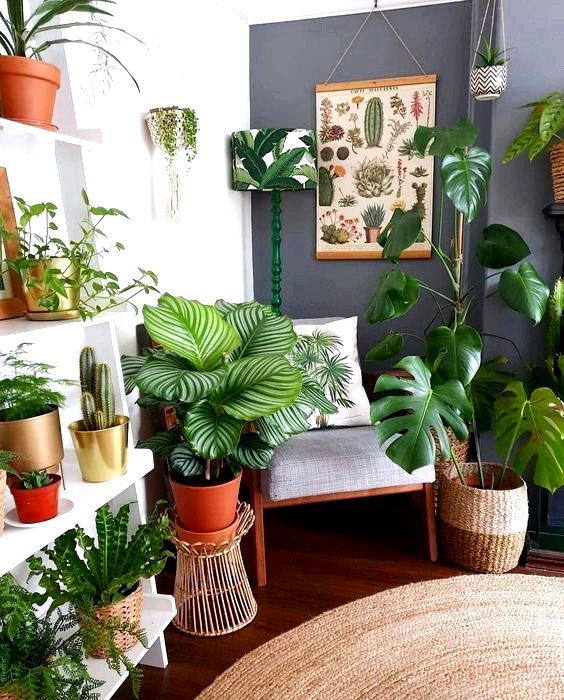
- Planting a variety of plant diameters: When aiming to create space division similar to a green wall, you can plant the plants in pots of different sizes and place them side by side.
- Planting a variety of plant types: To create an interesting and impressive space division, you can plant diverse plants with different colors and sizes together to create a striking visual effect.
- Using shaping tools and other components: To emphasize the division in space, you can use shaping tools like stones, special pots, and more.
The choice of the appropriate technique depends on the purpose of space division, the types of plants involved, and the location where the growth will take place. Good luck!
4. Plants Suitable for Interior and Exterior Spaces
Plants suitable for interior and exterior spaces come in various shapes and sizes. These plants provide freshness and natural beauty to the space, improving the quality of the breathed air. Recommended plants for indoor and outdoor use include climbers, flowering plants, and herbs.
Climbing plants like ficus, dracaena, and sansevieria are especially suitable for balconies and tiled spaces. In addition, flowering plants like azalea and freesia offer beautiful blooms and stunning colors. Alongside them, herb plants like rosemary and basil provide fresh and delicate scents to the space.
The choice of plants suitable for interior and exterior spaces depends on the size of the space, lighting and humidity conditions, and the design style of the space. It is important to maintain good conditions for the plants and water them correctly to preserve their appearance and prolong their lives.
Plants can turn sterile spaces into warm and inviting areas
Dov Cohen – Landscape Architect
5. Creating Green Corners for Space Division
Green corners are an excellent way to bring nature and greenery into your home or workspaces. By creating green corners for space division, you can use indoor and outdoor plants to create a sense of calm and peace.
In open and modern space division, green corners can also serve as focal points to create a sense of volume and clarity. Large, rich plants can turn the corner into an impressive and striking point in the space.
To create green corners, you can use small plants like succulents, indoor flowers, or herbs. You can also combine indoor and outdoor plants to create a sense of connection with the surrounding nature.
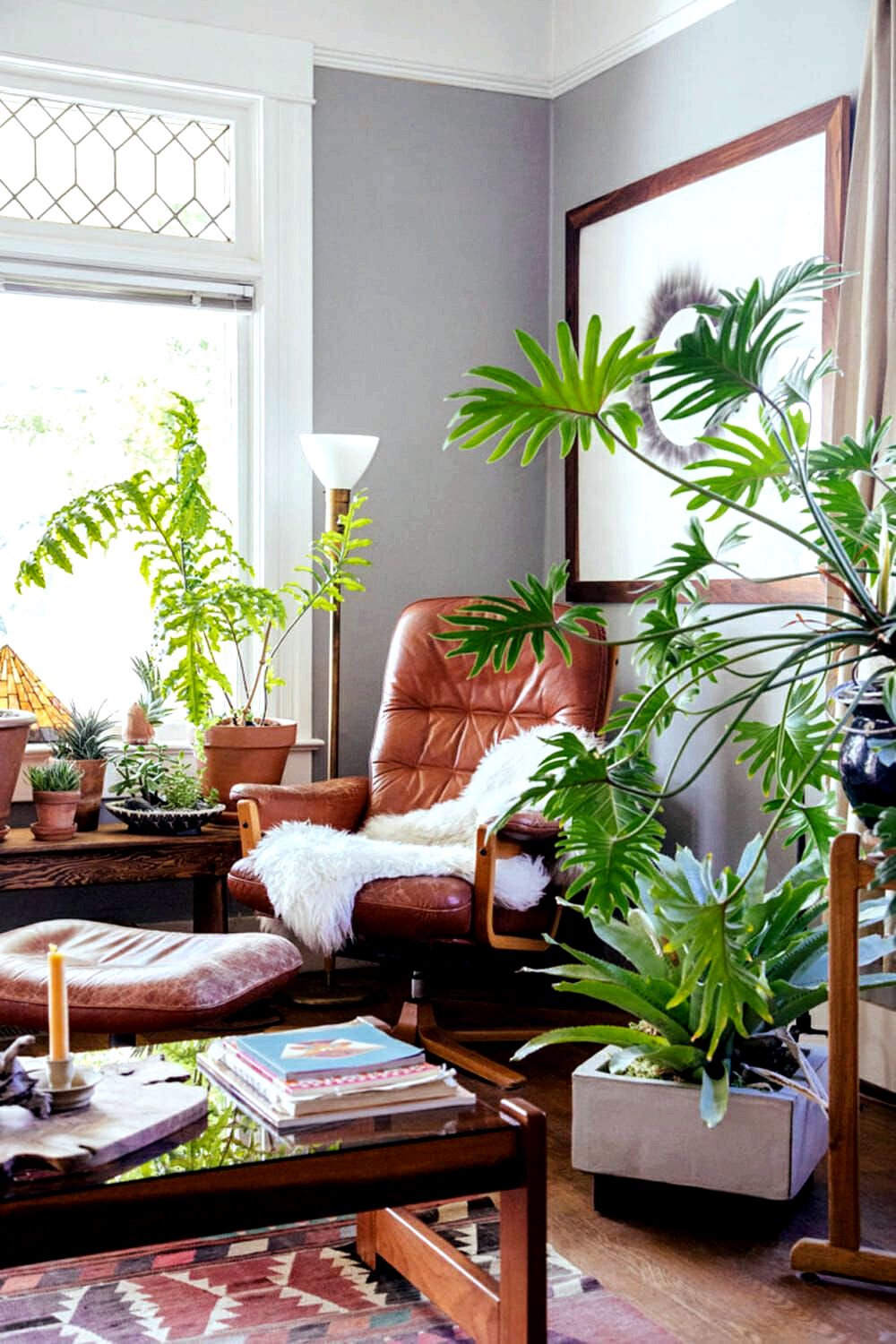
When planning your green corner, pay attention to the plants’ needs regarding light, watering, and temperature. Choosing plants that suit the environmental conditions in which they will thrive can ensure the success of your green corner.
6. How to Maintain Plants in Ideal Conditions for Space Division
1. Bring the plants into a bright, well-lit room with a constant temperature and avoid placing them next to an open window.
2. It is important to water the plants correctly, not to overwater or pour water on them too often.
3. Ensure that the plants receive the appropriate amount of light they need during growth.
4. The plants should be kept at a temperature between 18 to 24 degrees Celsius at night and between 24 to 30 degrees Celsius during the day.
Using plants in space division promotes the connection between people and nature
Maya Levi – Landscape Architect
5. It is advisable to reduce the humidity level in the air around the plants to prevent the growth of fungi and insects that can harm them.
6. When the plants start growing noticeably, it is important to prune and trim the young plants to divide the space.
7. Make sure the plants receive the necessary minerals and nutrients for proper growth and development.
7. Creating a Sense of Privacy with Plants in Space Division
Using plants to create a sense of privacy in space division can be a great way to generate a pleasant and calming atmosphere in our space. When planning the space division, pay attention to the types of plants chosen and their placement in the space. Here are some ideas on how to use plants to make the space private and protected:
1. Use tall plants as a natural barrier between different spaces. Tall plants like palm trees or date palms can create a barrier and provide a sense of privacy.
2. Place balcony and succulent plants in open spaces like balconies or garden courtyards to create a unique and protected space.
3. Decorate with ornate and crowded plants on plant shelves or hanging planters to create a sense of privacy in workspaces or living areas.
4. Consider the plants’ adaptation to light and humidity in the space to ensure their survival and maintain their green and impressive appearance.
5. Pay attention to the plants’ growth pattern and where they are placed in the space to create distinct lines or separate paths between spaces.
6. Use plants with colorful blooms and natural scents to provide a refreshing sensory experience in the space.
7. As known, plants can improve air quality and create a healthy and pleasant environment. Choose plants that contribute to the air quality in the space and promote the health and well-being of the residents.
After completing the space division process, you can add the right plants to create a sense of privacy, calm, and pleasantness in your space. Consider the plants’ needs and conditions before choosing them, so you can enjoy a beautiful and soothing space that suits your needs.