


1. Popular Plants for Interior Design
Using plants in interior design has become a popular trend these days. Plants provide a sense of freshness, beauty, and tranquility to a space, and improve the air quality in the house. When it comes to interior design with plants, it is important to choose plants that will suit the lighting and humidity conditions in the space.
Among the popular plants for interior design, you can find the Sansevieria, the Peperomia, the Ficus, the Spathiphyllum, and the Philodendron. Each of them adds a special touch to the space and is suitable for use in any space in the house – from the living room to the bedrooms.
Houseplants come in a variety of sizes and shapes, and they can be combined with decorative pots made of wood, glass, or ceramics. To maintain the health of the plants, it is important to consider their watering frequency and the light they receive, and ensure they receive the appropriate care.
Techniques for Using Plants in Interior Design
Plants are an important part of the interior design of any space. When using plants correctly, you can create a pleasant and calming atmosphere that radiates positive energy. To use plants in the best way, it is advisable to consider several different design techniques.
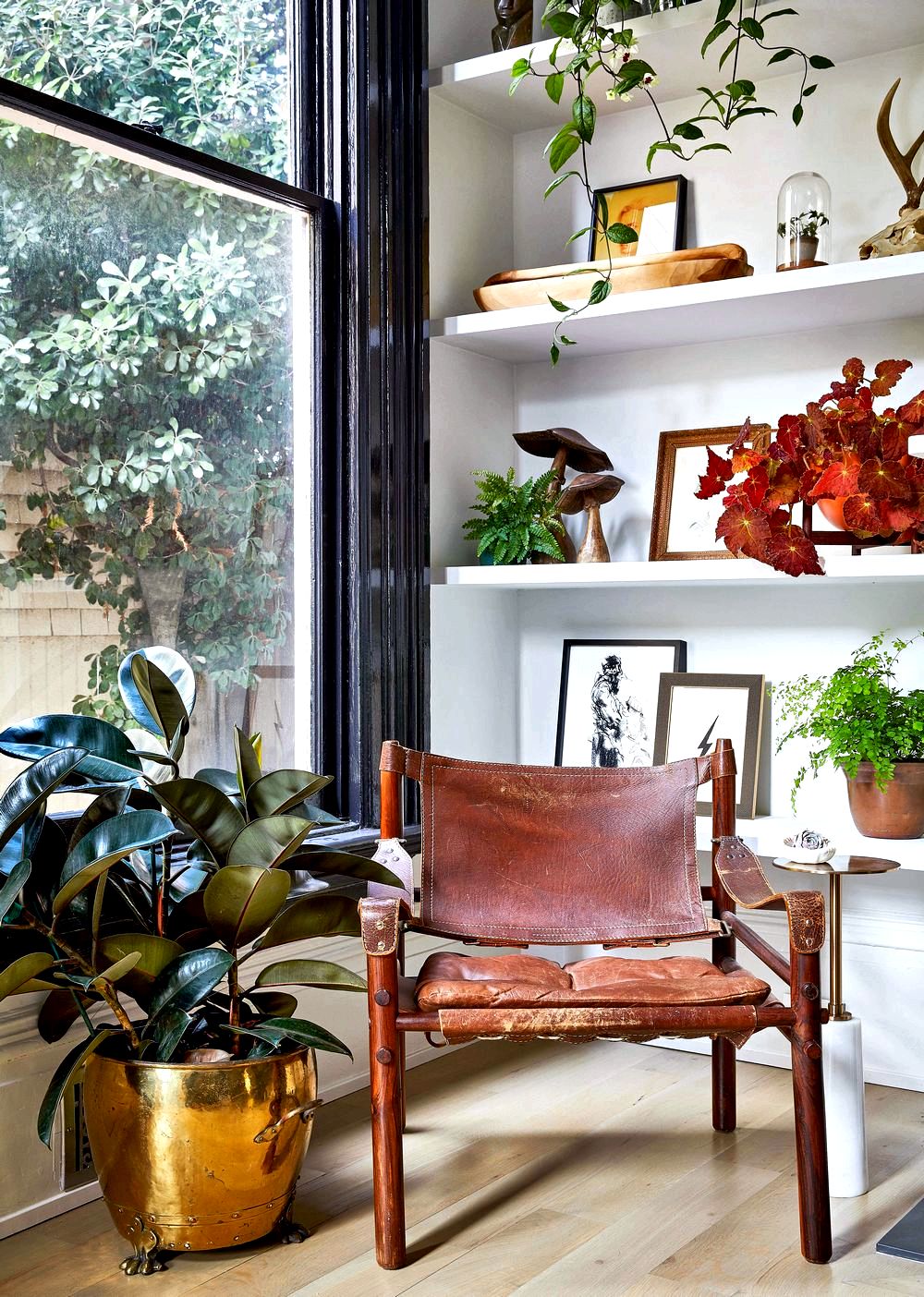
One of the leading techniques is creating a plant corner in the room. This is a simple and effective way to bring nature into the space and create a sense of calm and natural atmosphere. You can use small plants on shelves or tables, or create a whole plant wall in the corner of the room.
Plants are eternal life inside the house
Yael Cohen – Interior Designer
Another technique is using plants as part of furniture design. You can make plants a significant part of the design by using decorative vases or pots. Tall plants like Dracaenas or Fiddle Leaf Figs can add height and an impressive look to the space.
In addition, you can enhance the design by using artificial plants. Artificial plants look almost identical to real plants but require less maintenance and can maintain an attractive appearance over time.
Choosing the right plants depends on the design style of the space and the care needs of the plants. To create a successful design with plants, it is important to carefully consider all these factors and choose plants that will perfectly fit the environment of the space.
The Influence of Plants on Room Air
Plants in interior design can significantly improve the room air quality. Plants help clean the air from pollution and improve its quality. In addition, they may reduce humidity levels in the air and create a pleasant and healthy environment for the household members to stay in.
Plants produce oxygen through the natural process of photosynthesis, which helps them survive and grow. This oxygen also serves as a clean substance in the air we breathe, helping us produce cleaner oxygen. Additionally, plants also provide oxygen through their respiration process, thus affecting the air quality in the room.
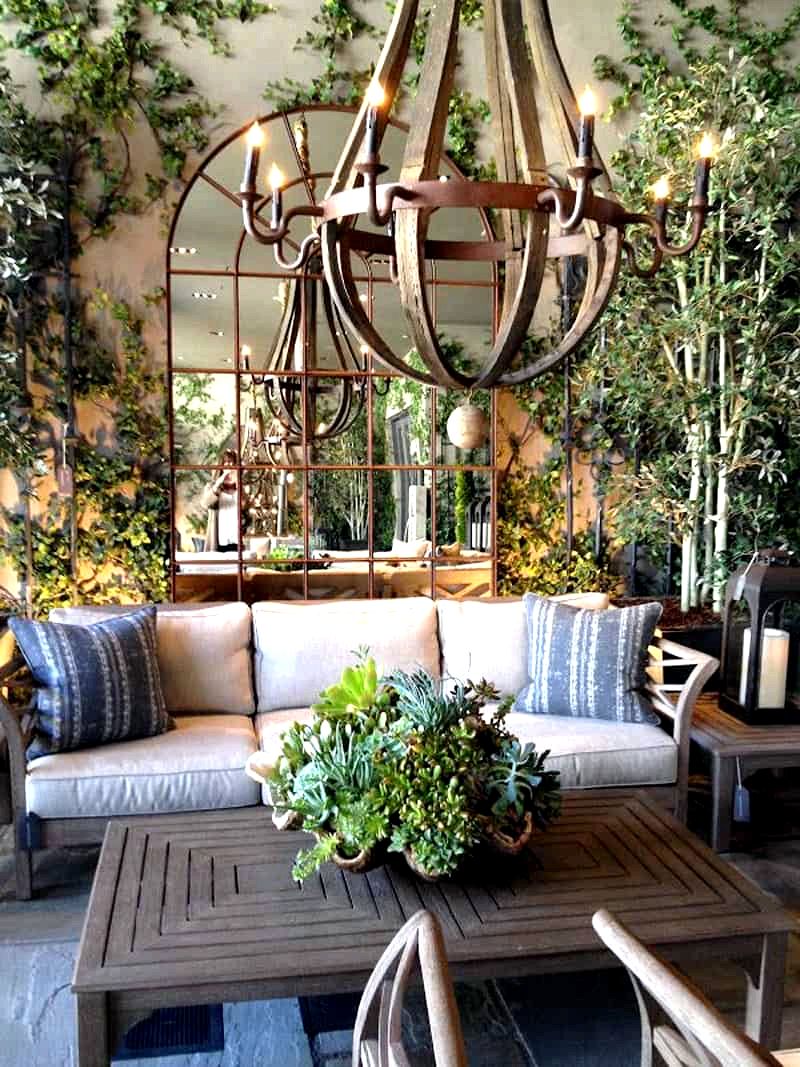
Plants can also absorb toxins and pollutants from the air, giving them an important role as natural air filters in the interior space. This ensures that the air breathed in the space is clean and healthy for use.
In addition, plants can improve the humidity level in the room. They nourish the air with moisture and cool it naturally, which may produce a feeling of coolness and a natural scent in the space.
4. How to Maintain Interior Plants
Maintaining interior plants requires some effort and attention, but the results are worth it. When starting to grow plants at home, it is important to consider their specific needs and provide them with the appropriate conditions for growth and flowering.
Here are some important tips for maintaining interior plants:
1. Ensure proper lighting: Most plants need direct sunlight or full spectrum light. It is important to place the plants where they will have access to light for several hours a day.
2. Watering the plants: To keep the plants healthy, it is important to water them correctly. Each plant has different water needs, so it is important to know the needs of each type of plant before starting to water.
3. Care and pruning: Plants need regular care to maintain their appearance and promote healthy growth. It is important to remember to trim dry branches and remove damaged leaves.
4. Monitor temperature requirements: It is important to pay attention to the temperature in the environment where the plants are placed. Most plants are sensitive to extreme temperatures, so it is important to maintain a constant and appropriate temperature for them.
To enjoy beautiful and healthy plants in your interior design, it is important to follow these tips and provide the plants with the care they need.
5. Ideas for Interior Design with Plants
1. Use tall indoor plants to create a sense of height and depth in the space. Tall plants can add height to the room and improve its atmosphere.
Choosing the right plants can turn any space into impressive and refreshing
Sarah Levy – Interior Designer
2. Place small indoor plants on bookshelves or coffee tables to add color and life to the space. Small plants are excellent for creating levels of height in the space.
3. Flowering indoor plants are an excellent choice for adding color and fragrance to the space. They can be used as a focal point in the space or as a colorful addition to different corners of the room.
4. Indoor plants with large and rich leaves can add texture and structure to the space. You can place them in any suitable corner, from the floor to the shelf.
5. Use indoor plants with long branches to create a sense of movement and liveliness in the space. Plants with long branches add a dynamic and lively feel to the room.
6. Additional Plants for Interior Design
When it comes to interior design, there are plants that can add more than one item that will upgrade the look of the space. However, with precise trees and plants, you can design the look of the space according to your taste. Among the most popular additional plants for interior design, you can find the Sansevieria, the Monstera, and the Peperomia.
The Sansevieria is a common plant in interior design because of its green leaves and stunning flowers. It emits an atmosphere of calm and tranquility to the space and is perfect for both home and office spaces. It is recommended to place the Sansevieria in metal or thick ceramic pots to emphasize the plant’s natural beauty.
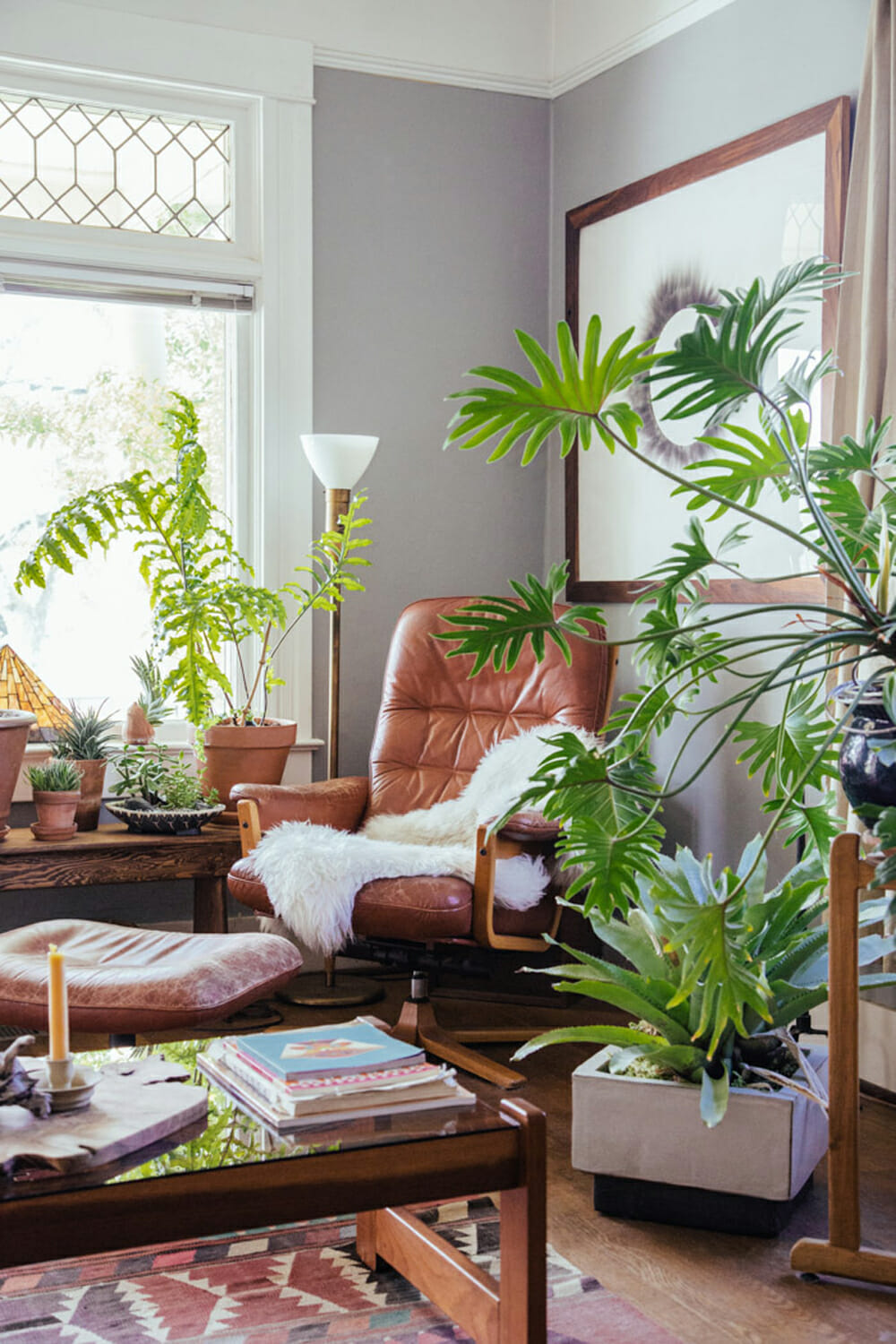
The Monstera is a popular decorative tree in interior design, exuding a natural and warm atmosphere. It is suitable for placement in the corners of the space or by the sides of the window, adding a rustic and calm atmosphere to the space. The Monstera is considered an easy plant to care for and maintain, making it suitable for anyone who wants to add a natural atmosphere to their space.
The Peperomia is a popular succulent plant in interior design, perfect for modern and minimalist spaces. It paints the space in soft and clean colors, emitting an atmosphere of simplicity and beauty. It is recommended to place the Peperomia in a small and minimalist pot, on a shelf or a coffee table, to highlight the plant’s appearance in the best way.
7. Tips for Maintaining Indoor Plants
1. Maintaining the appropriate light level: It is important to pay attention to the amount of light the plants receive. Each plant needs a certain light level to grow and develop properly.
2. Proper watering: It is important to water the plants correctly, not to overwater them and not to leave them dry. To ensure proper watering, check the soil each time before giving them a new watering.
Plants are a perfect way to add color and atmosphere to the space
Ilana Bar – Interior Designer
3. Care and treatment: Interior plants require regular care and treatment to maintain their level and achieve the desired appearance. Be sure to trim woody branches, remove dry leaves, and remember to turn on their sprinklers.
4. Proper placement: It is important to place the plants in the right place in the house, with an emphasis on the light and temperature levels they require. Do not place plants next to sunny windows, where they can receive excess light and burn.
5. Heat and humidity: It is important to maintain the heat and humidity levels around the indoor plants so that they are comfortable and pleasant. Avoid placing plants near refrigerators or hot ovens.
6. Leaf cleaning: To keep the plants indoors clean and well-maintained, it is advisable to clean their leaves regularly and remove the dust and dirt that accumulates on them.
7. Pruning and pot replacement: Remember to prune the plants from time to time and replace the plant pots as they grow and develop. Make sure to clean the pots before replacement and use new and clean pots.